
24/7 Customer Support

Free returns

Same-day & Next-day Delivery

Quality Guaranteed

Unlock Your Welcome Offers: FREE Delivery | Up to 80% OFF | Free 30-day JoyPlus trial
Download the APP
A blunt blade doesn't just slow you down; it compromises the quality of your work and can be a safety risk. Whether you're a professional on-site or a dedicated DIYer in your workshop, having a fresh, sharp edge is non-negotiable. But with so many types, materials and fittings available, choosing the right replacement cutting blades can feel like a task in itself.
This guide is designed to cut through the clutter. As the Joybuy Product Recommendation Officer, my role is to provide clear, practical advice to help you select durable and cost-effective blades for your tools. We'll look at what makes a good blade and highlight some solid options for common cutting tasks.
Before diving into specific products, here are a few key points to consider. Getting these right will ensure you get a blade that performs well and offers good value.
The material of a blade dictates its durability, flexibility and what it can cut effectively.
There's nothing more frustrating than buying a pack of blades that don't fit your tool.
The number of Teeth Per Inch (TPI) determines the speed and finish of the cut.
Based on material quality, user-friendliness and overall value, here are some standout options for tradespeople and DIY enthusiasts.
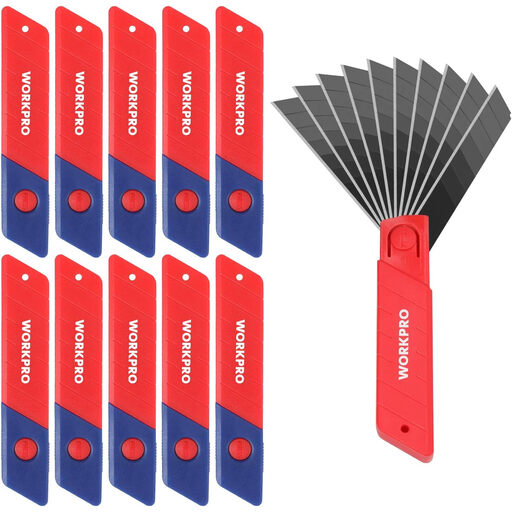
Why It Stands Out: This is a bulk pack that delivers on both quantity and quality. For anyone who uses a utility knife daily, running out of sharp blades is a constant interruption. This 100-pack of 18mm cutter blades ensures you're always prepared.
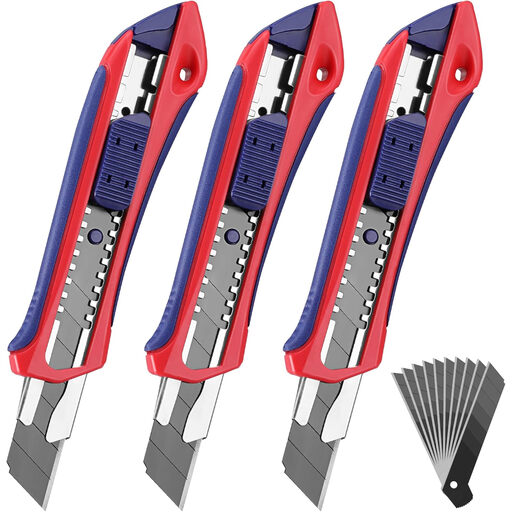
Why It Stands Out: This set provides everything you need to get started or to replace a worn-out collection of utility knives. The handles are designed with user comfort in mind, featuring a rubberised grip that reduces fatigue during prolonged use.
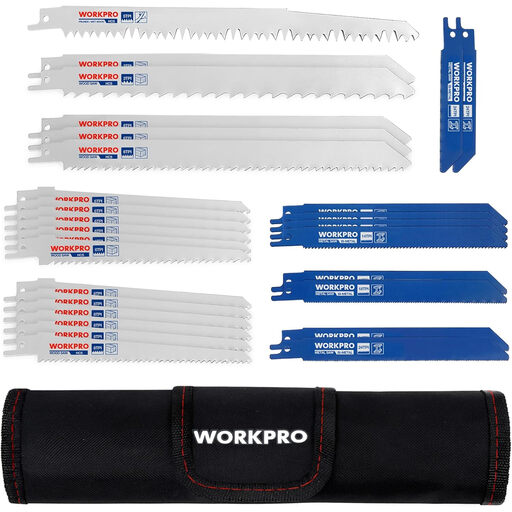
Why It Stands Out: This comprehensive set of reciprocating saw blades equips you for almost any demolition or cutting task. It includes a variety of blade lengths and TPI configurations for wood, metal and plastic, all organised in a durable roll-up bag.
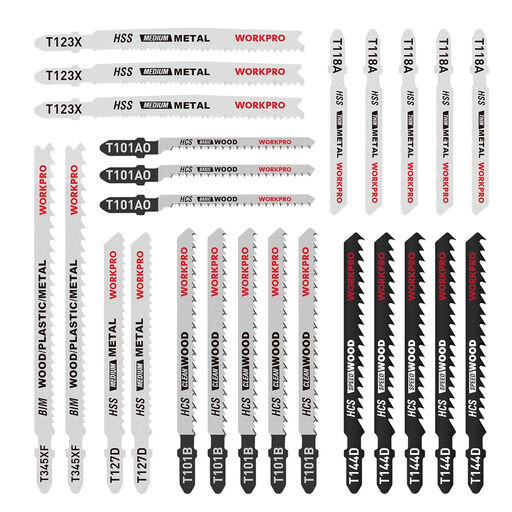
Why It Stands Out: A well-organised jigsaw blades set is essential for any woodworker or fitter. This WORKPRO blades kit includes a curated selection of HCS, HSS and BIM blades for clean, curved or fast cuts in a variety of materials. The included case keeps them protected and easy to identify.
While these recommendations cover many common needs, every project is unique. If you're looking for blades for masonry, specialised scroll saws or other power tools, we have a wider selection available.
Explore our complete collection of professional grade tools to find the perfect match for your toolkit.
1. What is the difference between HCS, HSS, and Bi-Metal blades? HCS (High-Carbon Steel) is best for softer materials like wood. HSS (High-Speed Steel) is harder and used for metal. Bi-Metal (BIM) blades combine a flexible HCS body with durable HSS teeth, making them a great all-rounder for tough jobs like cutting wood with embedded nails.
2. Can I use one blade for both wood and metal? Yes, Bi-Metal blades are specifically designed for this. They offer the flexibility to resist snapping when hitting a hard object (like a nail in wood) while having teeth hard enough to cut through the metal. However, for the best finish, it's always recommended to use a blade designed for the primary material you are cutting.
3. How do I know when to replace my cutting blade? Key signs of a dull blade include needing to apply more force to make a cut, seeing smoke or burn marks on the material (especially wood), experiencing excessive vibration or getting a rough, chipped finish instead of a clean one. If you notice any of these, it's time for a fresh blade.