
24/7 Customer Support

Free returns

Same-day & Next-day Delivery

Quality Guaranteed

Unlock Your Welcome Offers: FREE Delivery | Up to 80% OFF | Free 30-day JoyPlus trial
Download the APP
That little indicator light is flashing again. Whether it’s on your coffee machine, water jug or air purifier, it’s a familiar reminder that it’s time to buy a replacement filter cartridge. While it seems like a simple purchase, the market is filled with options that can be confusing. Choosing incorrectly can lead to more than just a bad-tasting cup of tea; it can mean poor performance, leaks or even damage to your expensive appliances.
As the Joybuy Product Recommendation Officer, my role is to help you navigate these choices. We'll look past the marketing jargon and focus on what truly matters. Here are a few common pitfalls to watch out for:
To ensure you get a filter that performs correctly and offers good value for money, focus on these core parameters.
Before anything else, confirm the filter is explicitly designed for your appliance's make and model. Don't rely on visual similarity. Check the product description for the exact model numbers it replaces (e.g., Philips AquaClean CA6903/10, Karcher WD2). A perfect fit ensures a proper seal, which is fundamental for effective filtration, whether it's a coffee machine water filter or a vacuum cleaner filter.
Different filters are designed for different jobs. Understanding the materials inside helps you match the cartridge to your needs:
A more reliable indicator of a filter's lifespan is its capacity, usually stated in litres (e.g., 150L or 757L). This gives you a much clearer picture than a time-based estimate. To gauge how long it will last, consider your household's daily water consumption. A family of four will go through water filter refills much faster than a single person. For air purifiers, lifespan is often given in hours of operation and depends on the air quality of your environment.
To make your decision easier, here are a few recommendations matched to common UK household needs.
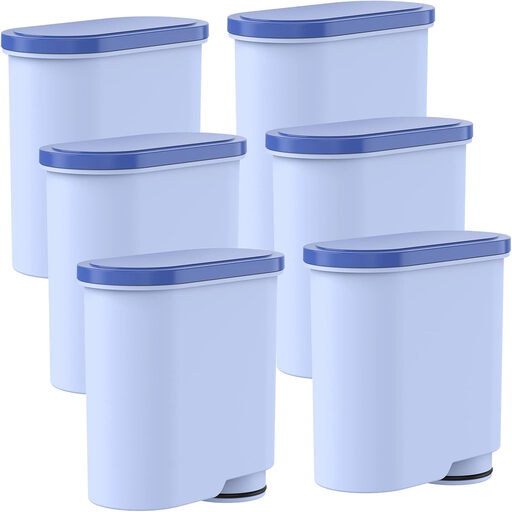
Why This Fits Their Persona: Ideal for owners of Philips or Saeco coffee machines who want to protect their investment and ensure consistent coffee taste. This user prioritises appliance longevity as much as flavour.
It avoids the "universal fit" trap by being specifically compatible with a defined range of Philips AquaClean models. Its ion exchange resin directly targets limescale, a problem generic filters often ignore.
Features ion exchange resin to prevent limescale buildup, potentially removing the need to descale for up to 3 months. It is also T?V S?D certified for quality and performance.
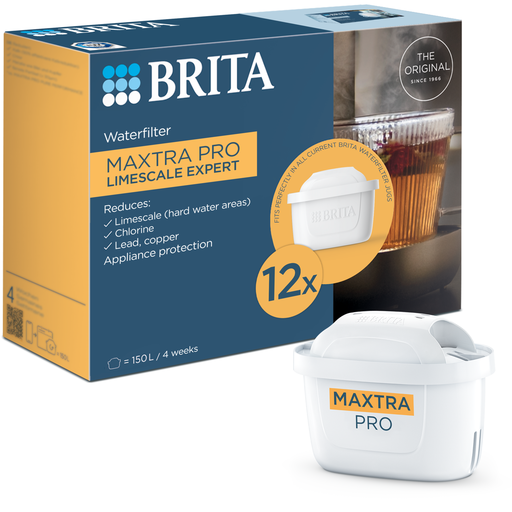
Why This Fits Their Persona: Perfect for families in hard water regions who use a BRITA jug for everything from drinking water to filling the kettle. Their main goal is protecting appliances and improving the taste of hot drinks.
This filter is explicitly marketed as a "Limescale Expert," directly addressing the primary concern of hard water. The BRITA PerfectFit system is designed to ensure compatibility and prevent bypass with their own jugs.
According to BRITA, it offers 50% better limescale reduction compared to their Pure Performance filter. The 12-pack provides a year's supply, offering convenience and better value per unit.
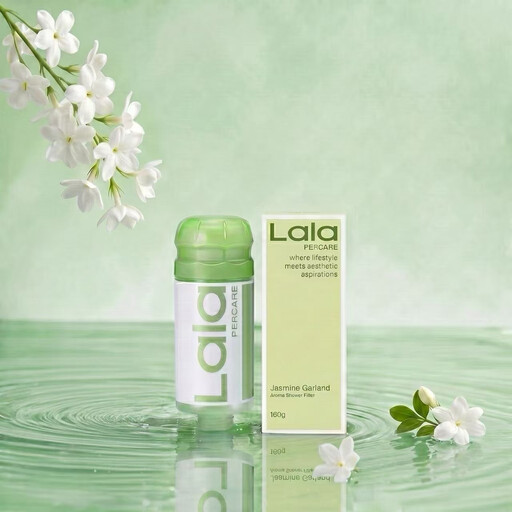
Why This Fits Their Persona: This user is focused on wellness and is concerned about the drying effects of chlorinated tap water on their skin and hair. They see their shower as a self-care ritual, not just a utility.
It has a highly specific purpose: removing chlorine and infusing water with skin-friendly ingredients. It doesn't make broad, unprovable claims, focusing instead on a tangible, user-perceivable benefit.
Removes residual chlorine while infusing the water with Vitamin C and jasmine extract. It also helps capture sediment from pipes and adds a pleasant, natural aroma to the shower experience.
We have compiled a complete, real-time list of products that fully satisfy these strict selection criteria and UK safety regulations.
The manufacturer's recommendation (e.g., "every 2 months") is a good starting point, but the most accurate guide is your water quality and usage. If you live in a hard water area, you may need to replace your limescale filter more frequently. Pay attention to the signs: a noticeable return of limescale in your kettle, a change in the taste of your water or a significantly slower flow rate are all indicators that it's time for a change.
Many compatible cartridges can be a cost-effective and reliable alternative to original branded ones. To ensure safety and performance, choose products from reputable manufacturers that clearly state compatibility with your specific appliance model. Look for independent certifications like NSF/ANSI or T?V S?D, as these show the product has been assessed for material safety and structural quality. Always check recent user reviews for feedback on fit and potential leaks.
Generally, no. The vast majority of replacement filter cartridges for home appliances are designed for single use. The complex layers of filtration media, such as activated carbon and ion-exchange resin, cannot be effectively cleaned. Attempting to wash them can damage the internal structure, destroy their filtration capability and potentially release trapped contaminants back into your water or air. Always follow the manufacturer's instructions and replace the cartridge as recommended.