Students checking poster colour before print
If a poster contains colour-coded charts, photographs or institutional branding, documented colour-space coverage and a proofing workflow matter more than an especially vivid display mode.


For most students editing a research poster, a 27-inch 4K IPS monitor with documented sRGB and Rec.709 coverage, factory-calibration information, an adjustable stand and ports compatible with their laptop is a sensible starting point. Consider wider-gamut coverage when the course or print workflow calls for it; the right colour profile, room lighting and a print proof still matter, so a gamut specification alone cannot guarantee how the poster will print.
If a poster contains colour-coded charts, photographs or institutional branding, documented colour-space coverage and a proofing workflow matter more than an especially vivid display mode.
A monitor needs to fit beside study materials, sit at a usable height and connect to the laptop. One-cable video and charging can simplify the desk, but only when both devices support the required connection.
When a course or managed print workflow specifically requires Adobe RGB or DCI-P3 assets, documented coverage of that colour space becomes a relevant model-specific check.
Start with the poster’s colour and output requirements, then check whether the monitor fits the desk and connects to the laptop you will use.
| Concern | What to check | Who this matters to |
|---|---|---|
| Colour and print preparation | Check coverage of the colour space your workflow uses and the exact model’s calibration information; arrange a print proof where possible. | When charts and images need to look consistent in the finished poster, I want documented colour settings and a way to check the print. Around 42% of consumers put colour and print assurance first. |
| Desk fit and positioning | Measure usable desk depth against the stand and check height adjustment or suitable mounting. | On a crowded student-room desk, I need space for the screen, laptop and materials without placing the display awkwardly. For around 33% of consumers, a comfortable fit is the primary concern. |
| Laptop connection | Confirm USB-C video compatibility and compare the monitor’s power delivery with the laptop’s charging requirement. | If my laptop is my only computer, I want to know whether one connection can handle the display and charging. Compatible laptop connectivity comes first for around 25% of consumers. |
Screen colour alone cannot establish how the finished poster will look. Adobe notes that visual-only calibration is subjective, while UCL advises checking a proof before sending poster artwork to print.
Use the colour profile required by your workflow, keep direct light off the display and request or create a print proof where possible.
Colour-critical work may also call for access to a colorimeter or a proofing service.
Power delivery differs between models, and the laptop must support the relevant USB-C video connection.
Compare the exact monitor’s video and power-delivery specifications with your laptop’s output and charging requirements.
You may still need your laptop charger, a compatible cable or an adapter.
An adjustable stand still needs room. BenQ lists the PD2705U stand at 256.8 mm deep; the Health and Safety Executive advises positioning the top of the screen at eye level and the display about an arm’s length away.
Measure the usable surface and allow for the stand, cables and your working position before deciding on a stand or compatible monitor arm.
A monitor cannot correct artwork prepared to the wrong poster size or image-resolution requirement.
Check the university, conference or print provider’s template, margins, file format and image requirements before settling the layout.
ASUS UK lists distinct 27-inch 4K options for standard-gamut and wider-gamut work.
The PD2705U is a design-oriented 27-inch 4K option with documented standard-colour-space coverage and positioning controls.
Dell UK describes 27-inch 4K UltraSharp models with different hub and display specifications.
These monitors offer different starting points for a student-room poster workspace: check each one against your colour workflow, available desk space and laptop connection before choosing.
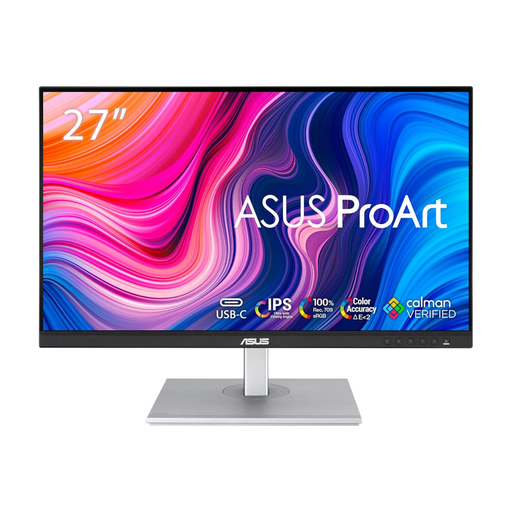 No image available
Consider this for an IPS poster-editing screen when WQHD resolution suits your workspace; it is not a 4K model. Check the exact colour documentation and USB-C charging specification against your workflow and laptop.
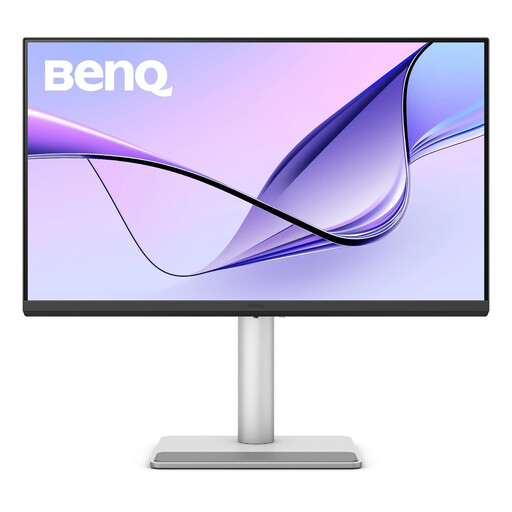 No image available
Its 27-inch 4K IPS format may suit poster layouts on a laptop-led desk. The product title identifies USB-C and P3; check colour-calibration documentation, desk dimensions and the video and charging requirements of your particular laptop before relying on it for your workflow.
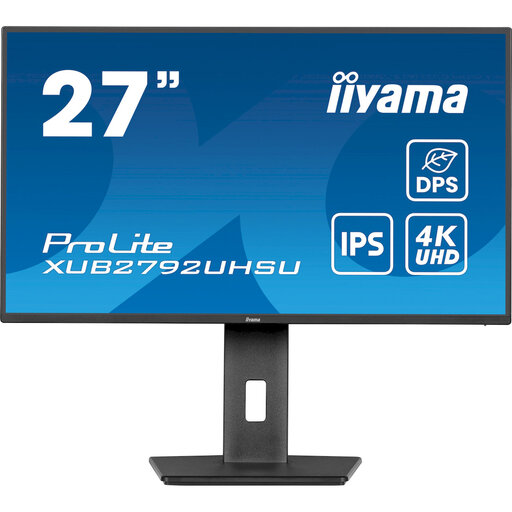 No image available
A 27-inch 4K option for arranging a large poster layout. If colour assurance or one-cable laptop use will decide your purchase, check the exact model’s calibration documentation and USB-C video and charging capabilities; measure its stand against your desk.
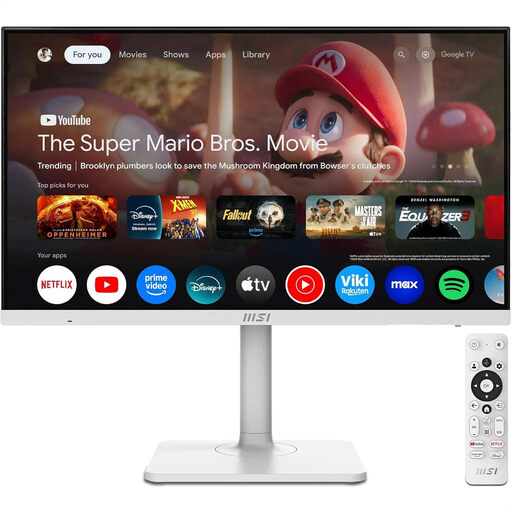 No image available
The 27-inch 4K format gives you a screen to consider for poster layouts, while the title specifies 65W USB-C power delivery. Check colour-space and calibration documentation before colour-critical work, and confirm USB-C video compatibility and desk fit.
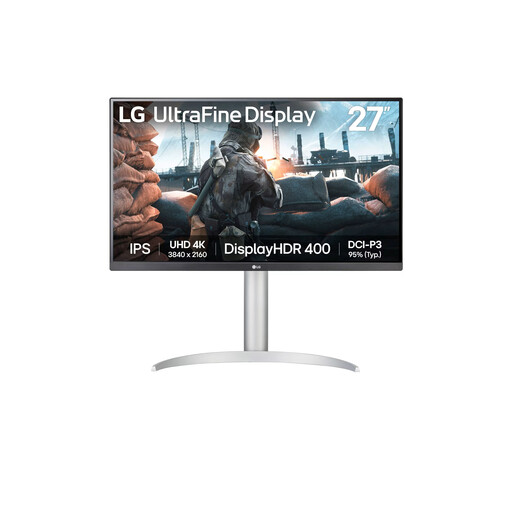 No image available
Its 27-inch 4K IPS screen is a possible workspace for poster layout. The product title states 95% DCI-P3 coverage, HDMI and DisplayPort; check sRGB or Rec.709 coverage, calibration documentation and desk dimensions for your intended setup. Those listed connections do not establish USB-C laptop charging.
Not unless your course, files or managed print workflow calls for a wider colour space such as Adobe RGB or DCI-P3. Match documented monitor coverage to the space you actually use; Adobe notes that objectively accurate calibration requires a colorimeter.
Aim to place the top of the screen level with your eyes and the display about an arm’s length away, as the Health and Safety Executive advises. Check stand depth before buying; for prolonged laptop use, a separate keyboard and mouse let you raise the screen independently.
It can when the laptop supports the required USB-C video output and the monitor supplies sufficient power for that laptop. ASUS lists 65W power delivery for the PA279CV and 96W for the PA279CRV, while BenQ lists 65W for the PD2705U; check your laptop’s charging requirement and the exact monitor connection.
Yes, where your university or printer offers a proofing route, particularly when colour matters. UCL’s poster-production guidance advises checking that artwork will print with a proof copy before sending it, alongside following the required poster and image specifications.