
24/7 Customer Support

Free returns

Same-day & Next-day Delivery

Quality Guaranteed

Unlock Your Welcome Offers: FREE Delivery | Up to 80% OFF | Free 30-day JoyPlus trial
Download the APP
Buying reserve wine and spirits online can be straightforward, but labels such as “Reserve”, “Special Reserve” and “Premium” do not all mean the same thing. The important details are often the grape variety, ageing information, alcohol strength, bottle size and intended occasion.
Whether you are planning a dinner, choosing a wine gift, comparing case deals or adding to a home drinks collection, these checks can help you select a bottle that matches your needs rather than simply its packaging.
“Reserve” is not a universal quality grade across every wine-producing country. For some wines, it may refer to a producer’s particular range; for others, it can indicate a defined style or ageing requirement. Rioja Reserva, for example, has specific ageing rules connected with the Rioja appellation, while “reserve” on a New World wine label may have a different meaning.
Check the product description for tangible information such as country of origin, vintage, grape variety and stated maturation. A reserve red wine may be fruit-led and ready to drink, while another may have firmer tannins and suit a meal or further storage.
Words such as “rich”, “smooth” or “refreshing” are broad descriptions. A full-bodied Malbec wine, Shiraz wine or Cabernet Sauvignon will generally suit different meals from a crisp reserve white wine or Picpoul de Pinet.
Think about how the bottle will be used:
A 75cl wine bottle usually provides around five 150ml glasses, although serving sizes vary. Smaller 187ml bottles can help with portion planning or suit an individual meal. A standard 70cl spirits bottle contains considerably more alcohol by volume than wine, so compare ABV and units rather than price alone.
For context, a 70cl bottle at 40% ABV contains approximately 28 UK units. The UK Chief Medical Officers advise adults not to regularly exceed 14 units per week. Alcohol is for over-18s only; never drink when pregnant or planning to drive.
The grape variety gives you a useful starting point:
Origin also matters. Mendoza Malbec, Australian Shiraz, Chilean Cabernet Sauvignon, New Zealand Pinot Noir and French Picpoul de Pinet each express different regional styles.
Always check the alcohol by volume (ABV) and stated units. Wine commonly sits around 11–14% ABV, while spirits are often around 40–43%. Fortified drinks such as Port wine can reach approximately 20% ABV.
Wine and spirits may contain sulphites, which must be declared where applicable. Some products may also carry allergen information connected with production. Read the product page and bottle label carefully, particularly when buying a gift.
Store unopened wine away from direct sunlight and major temperature changes. Many red wines are suitable at cool room temperature, while white wine and rosé wine are generally served chilled. Picpoul de Pinet is commonly served well chilled, whereas a reserve red wine may show more aroma when not overly cold.
After opening, reseal wine and refrigerate where appropriate. Follow the product instructions because recommended consumption windows vary. Spirits should be kept upright in a cool, dry place with the cap securely closed.
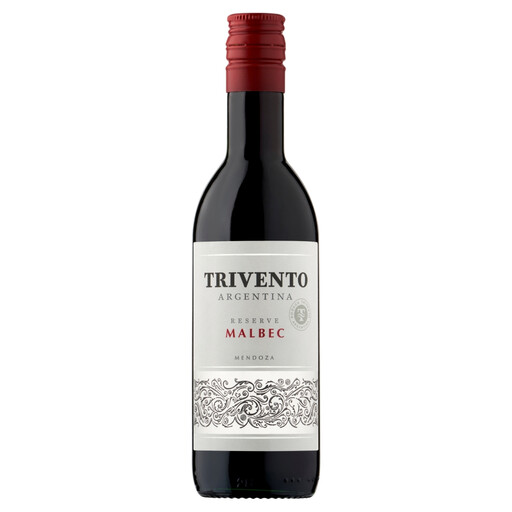
Why This Fits Their Persona: The smaller bottle suits shoppers who want to try a Malbec with a meal without opening a full 75cl bottle.
The 187ml format makes the serving size clear, avoiding the cost of buying a larger bottle before knowing whether the style suits you.
187ml bottle; 13.5% ABV; suitable for pairing with grilled dishes, pasta and cheese.
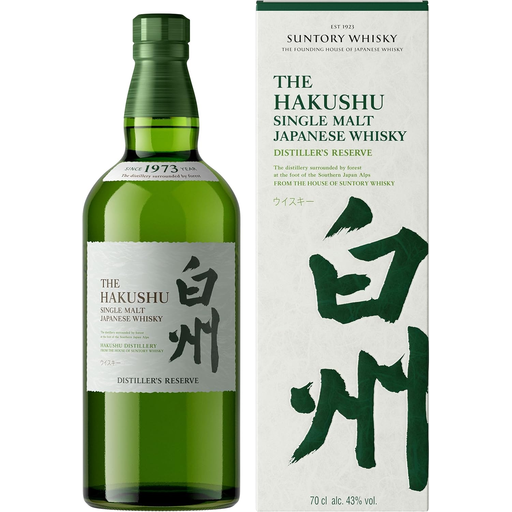
Why This Fits Their Persona: A 70cl single malt for adults building a considered home bar or selecting a gift with a clear Japanese origin.
The listing identifies it as a Japanese single malt and gives the 43% ABV, helping buyers distinguish style and strength from vague premium wording.
70cl format; 43% ABV; described with green fruit, herbal and light smoky notes.
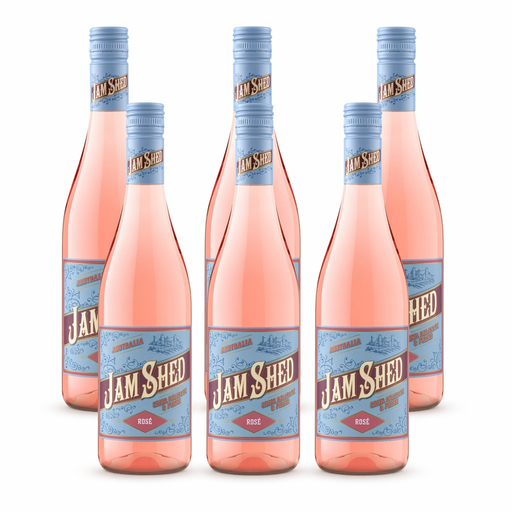
Why This Fits Their Persona: A case format is practical for hosts, celebrations and shoppers who regularly serve chilled rosé wine.
The case quantity and 75cl size are stated clearly, making it easier to compare total value rather than focusing only on a single-bottle price.
75cl bottles; 11% ABV; intended for chilled serving, with fresh berry-style flavour notes.
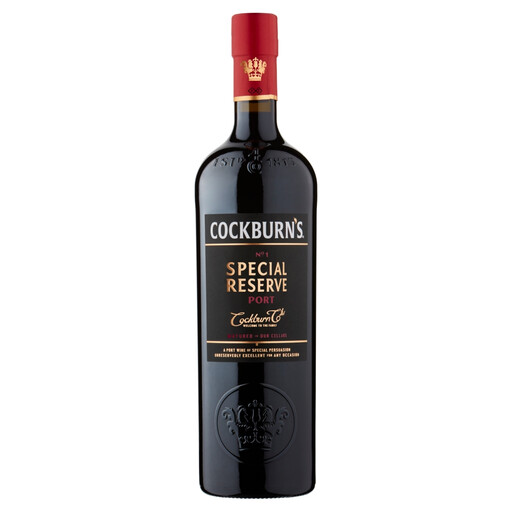
Why This Fits Their Persona: The 1-litre bottle provides a generous format for after-dinner serving, festive gatherings or a traditional wine gift.
The product information states the 20% ABV and bottle volume, so shoppers can account for its higher strength and serving size.
1-litre bottle; 20% ABV; suitable for pairing with blue cheese, chocolate desserts and nuts.
We have compiled a complete, real-time list of products that fully satisfy these strict selection criteria and UK safety regulations.
It can be, provided the style matches your taste and occasion. Compare grape variety, origin, ageing information, ABV and bottle size instead of relying on the word “reserve” alone.
This varies by style and storage. Reseal the bottle and refrigerate it where suitable. Many everyday wines are most enjoyable within a few days, while the product label may give more specific guidance.
A case deal may reduce the price per bottle, but check the total quantity, bottle size, delivery cost and whether you will use the wine before opening several bottles. For regular entertaining, a case of 75cl bottles can be practical; for occasional drinking, smaller formats may reduce waste.