
24/7 Customer Support

Free returns

Same-day & Next-day Delivery

Quality Guaranteed

Unlock Your Welcome Offers: FREE Delivery | Up to 80% OFF | Free 30-day JoyPlus trial
Download the APP
Resistance bands can support strength training, stretching, Pilates, yoga, glute exercises and rehabilitation without taking up much space. However, choosing the wrong band can lead to wasted money, uncomfortable workouts or equipment that is unsuitable for your routine.
The main challenge is separating useful specifications from vague marketing language. Before buying exercise bands, focus on resistance level, dimensions, material and the type of grip or loop you need.
Band colours are not standardised across manufacturers. A red band may be light in one range and heavy in another. Always check the stated resistance level or weight range rather than relying on colour alone.
For example, the Heavy Power Band listed here is described as providing 40–50 lb resistance, whereas a three-band set may simply identify its products as light, medium and heavy. These labels are useful for comparison within the same set, but they are not universal measurements.
A longer band is not automatically more suitable. A 208 cm loop can work well for assisted pull-ups, stretching and larger movements, while a 120 cm tube with handles is easier to control for curls, presses and rows.
A flat Pilates band measuring 120 cm may suit floor-based exercises, but it may not provide enough length for every standing movement. Consider your height, exercise style and available anchor points before ordering.
Latex resistance bands are widely used because they offer elastic stretch and are available in many resistance levels. However, natural latex may cause allergic reactions in sensitive individuals. TPE resistance bands can be an alternative material, although construction and handling still affect durability.
Fabric hip bands offer a different feel from latex loops. They can be useful for lower-body movements, but they are not a direct substitute for long power bands or pull-up assist bands. Whichever material you choose, inspect it before every use for tears, cracks, fraying or other damage.
Choose a level that allows controlled movement through your intended range. Beginners, people returning to exercise and those using physical therapy bands may prefer light or medium resistance. Strength-training users may need heavy bands or several levels for progressive training.
A resistance band set containing light, medium and heavy options can be practical when more than one person will use it or when your routine includes warm-ups, mobility work and strength exercises.
Remember that resistance usually increases as the band stretches. The stated resistance should therefore be treated as a guide, not as an exact equivalent to a dumbbell weight throughout the movement.
Common styles include:
Check dimensions carefully. A 2.8 cm-wide, 208 cm-circumference loop serves a different purpose from a 15 cm-wide, 120 cm-long flat band or a 120 cm tube with foam handles.
Handles can make pulling movements easier to position and may offer a more familiar grip for home workouts. Look for secure straps and padded or foam handles if hand comfort is important.
For storage, keep bands away from direct sunlight, sharp objects and extreme temperatures. Wipe them with a damp cloth when required and allow them to dry fully before putting them away. A storage bag is useful for keeping a resistance band set organised, particularly when carrying equipment to the gym, office or a physiotherapy appointment.
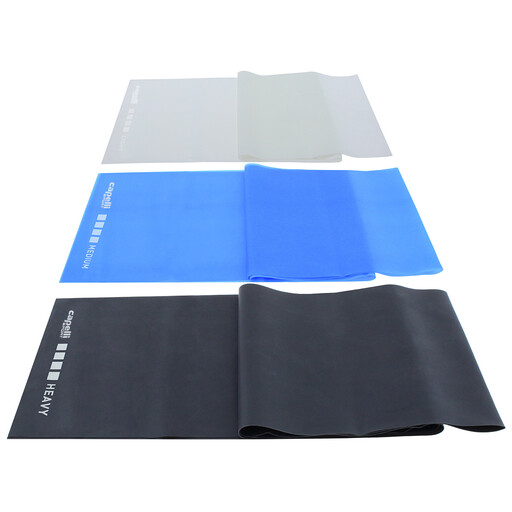
Why This Fits Their Persona: Three resistance levels give beginners room to adjust their routine for yoga, Pilates, stretching or light strength work at home.
The set identifies light, medium and heavy options rather than relying only on colour, making progression easier to understand.
Includes three latex bands, each measuring 15 cm by 120 cm, plus a portable storage bag.
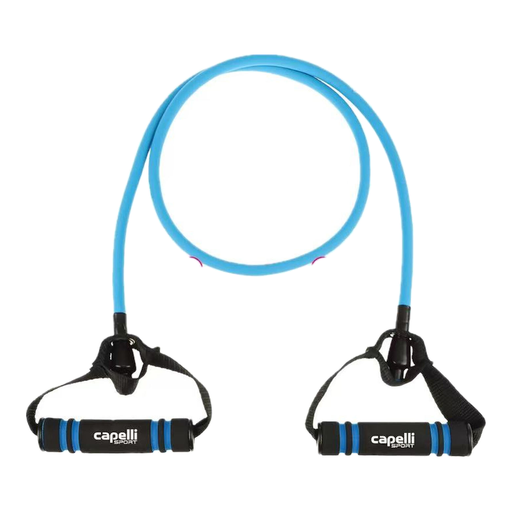
Why This Fits Their Persona: A medium TPE tube with padded handles suits users who prioritise grip comfort for regular home or travel workouts.
The listing states the material, resistance level and handle construction, helping you compare practical features instead of vague quality claims.
Synthetic rubber tube, ergonomic foam handles and a lightweight portable format.
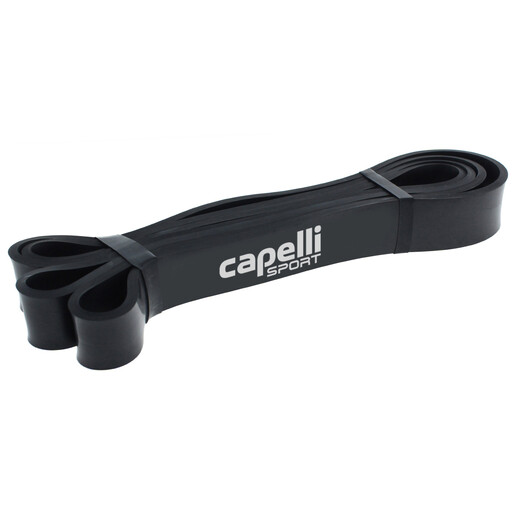
Why This Fits Their Persona: Its long loop format is suited to pull-up assistance, body stretching, compound movements and demanding strength sessions.
The product specifies a 2.8 cm width, 208 cm circumference and 40–50 lb resistance range, so its intended use is clearer.
Made from natural latex and designed as a continuous loop for pull-up assist and strength exercises.
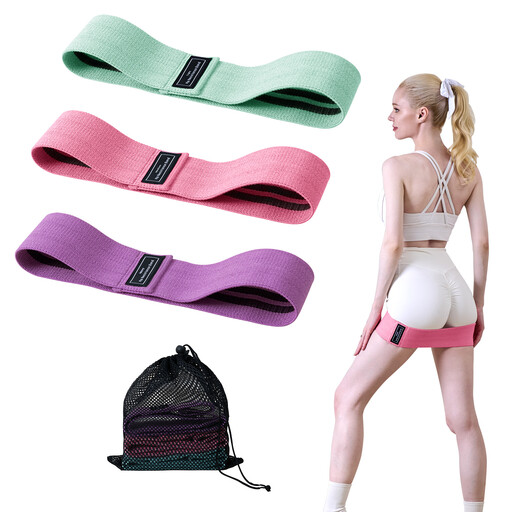
Why This Fits Their Persona: Short fabric loops are designed for glute, hip and leg exercises, making them convenient for home fitness, yoga and Pilates.
Its fabric loop design is intended for hip and lower-body work rather than being marketed as a universal replacement for every band type.
Set of three cotton fabric loop bands in light, medium and heavy levels, with a non-slip construction and storage bag.
We have compiled a complete, real-time list of products that fully satisfy these strict selection criteria and UK safety regulations.
Before each session, check the band, handles and connection points. Do not use a band with visible damage and avoid stretching it beyond the manufacturer’s recommended limit. Keep the band away from your face, eyes, sharp edges and heat sources.
Use a stable surface and controlled movements rather than allowing the band to snap back. If you are using physical therapy bands during recovery, follow advice from an appropriately qualified healthcare professional. People with a latex sensitivity should check the material before purchase.
Lifespan varies according to material, frequency of use, storage and stretching intensity. Regular inspection matters more than a fixed replacement timetable. Replace a band if it develops cracks, tears, fraying, sticky patches or noticeable loss of elasticity.
Yes, provided the resistance level allows controlled movement and the exercises are performed with good form. A resistance band set with light, medium and heavy options can make it easier to begin gently and increase resistance gradually.
They can support many strength-training movements, but they create a different resistance profile from dumbbells or barbells. Power bands and resistance bands with handles can work for rows, presses and squats, while fabric hip bands are more targeted towards glute and leg exercises. Select the format that matches your training goals rather than expecting one band to cover every use.