
24/7 全天候客户支持

免费退货

当日/次日达

品质保障

开启新人专享福利: 全场免邮 | 低至 2 折 | 免费试用 30 天 JoyPlus 会员
下载 Joybuy
Finding the right equipment for a home workout can be a challenge. You want something effective, versatile and affordable that doesn't take up half the living room. This is where resistance bands come in. These simple, portable tools can provide a full-body workout, helping you with everything from toning and stretching to serious strength training.
However, with so many different types on the market—fabric loops, latex pull-up bands and tube bands with handles—choosing the right one can feel overwhelming. This guide is designed to cut through the clutter, explaining the key differences and helping you select the perfect set of resistance bands for your specific fitness goals.
Before you make a choice, it’s helpful to understand what separates one type of band from another. Consider these points to ensure you get the most out of your purchase.
Different workouts call for different tools. The main types of exercise bands are each designed for specific purposes:
Most bands are colour-coded to indicate their resistance level—typically ranging from light to extra heavy. If you are new to resistance training, a resistance bands set is an excellent investment. A set provides you with multiple levels of tension, allowing you to use lighter bands for mobility and toning exercises and heavier ones for building strength. This also enables progressive overload, which is key to making consistent fitness gains from your home workout bands.
The material affects the band's feel, durability and performance.
Based on features, materials and user applications, here are our recommendations to help you find a set that aligns with your fitness routine.
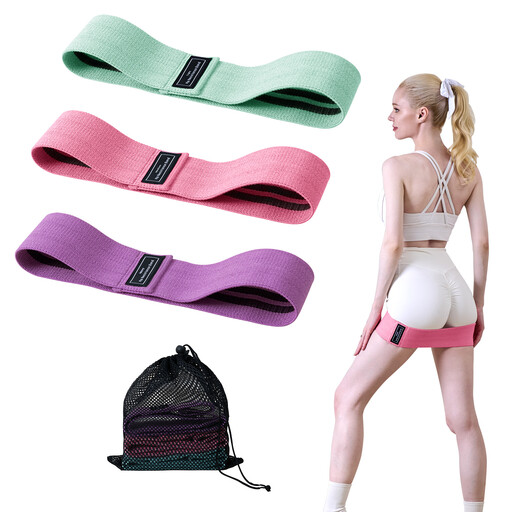
Why It Stands Out: These bands are specifically engineered for lower-body workouts. The high-quality cotton fabric and non-slip inner grip ensure they stay firmly in place, allowing you to focus on form and muscle activation without the frustration of bands rolling or slipping.
Pros:
Who is it for?: Ideal for individuals focused on targeted leg and glute workouts, including squats, lunges and hip thrusts. They are a great addition to home fitness, Yoga and Pilates routines.
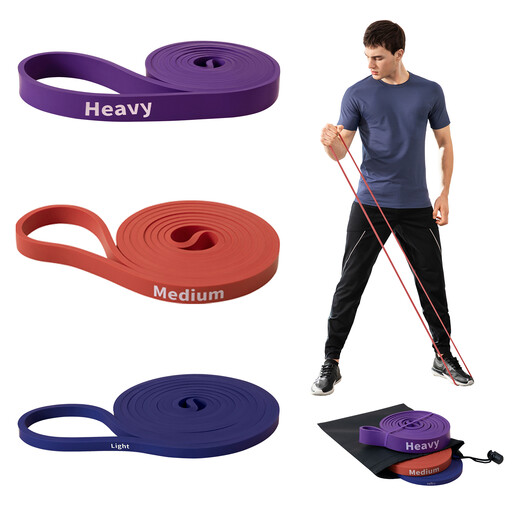
Why It Stands Out: This set offers exceptional versatility for full-body conditioning. Crafted from durable natural rubber latex, these bands provide reliable assistance for challenging bodyweight movements like pull-ups and dips, while also serving as an effective tool for adding resistance to strength exercises.
Pros:
Who is it for?: A great choice for fitness enthusiasts looking to master pull-ups or add a new dimension to their strength training, powerlifting or stretching routines.
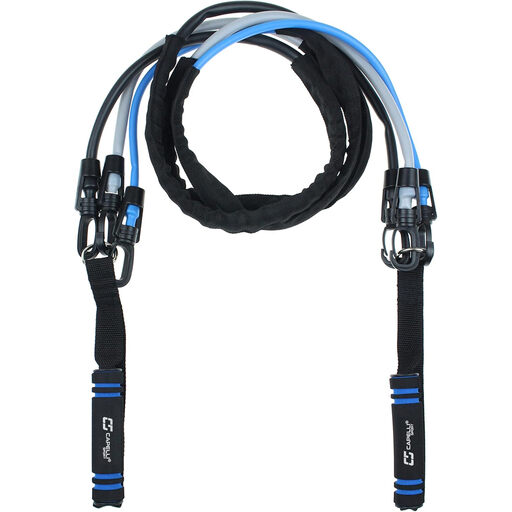
Why It Stands Out: This kit effectively brings the experience of using cable machines at the gym into your home. The system of interchangeable TPE bands and comfortable foam handles allows you to customise the resistance level precisely, making it perfect for isolating and training specific muscle groups in your arms, shoulders and back.
Pros:
Who is it for?: Users who want to replicate traditional weight training movements for the upper body and prefer the familiar feel of handles for exercises.
Our recommendations cover some of the most popular and effective types of resistance bands, but every fitness journey is unique. If you're looking for a different material, resistance level or a more comprehensive set, there are many other choices available.
Explore our full collection of resistance bands to find the perfect match for your home workout needs.
1. Can you actually build muscle with resistance bands? Yes. Muscle growth is stimulated by progressive overload, which means continually challenging your muscles. By moving to a higher-resistance band as you get stronger, you can effectively build and tone muscle. A resistance bands set is particularly useful for this.
2. What resistance band is good for beginners? For a beginner, a set that includes multiple resistance levels is the most practical choice. This allows you to start with the light band for new exercises and gradually work your way up. A set with a mix of band types can also offer a great introduction to different forms of resistance training.
3. How do I care for my exercise bands? To ensure your bands last, it's best to wipe them down with a damp cloth after use and allow them to air dry. Store them away from direct sunlight or extreme heat, as this can degrade the material over time. Before each use, give your bands a quick inspection for any small nicks or tears to ensure a safe workout.