Resistance bands have become a staple for home workouts and gym sessions across the UK, and for good reason. They are compact, versatile and effective for a wide range of fitness goals. However, the sheer variety—from fabric booty bands to latex loops and stretch straps—can make choosing the right one feel overwhelming.
This guide is designed to cut through the clutter. We will walk you through the key factors to consider when selecting resistance bands, helping you find the perfect tool for your specific needs, whether that's for strength training, physical therapy or improving flexibility.
How to Choose the Right Resistance Bands
Before you add a set to your basket, consider these three practical points. Your fitness goals and personal preferences will determine which type is the most suitable investment for you.
1. Material: Fabric vs. Latex
The material of a band significantly impacts its feel, performance and ideal use.
- Fabric Resistance Bands: Often called glute bands or booty bands, these are typically wider and made from a blend of cotton and elastic. Their main advantage is that they do not roll up or slide during exercises like squats and hip thrusts. The woven texture provides a comfortable, secure grip against skin or clothing, making them a popular choice for targeted leg and glute workouts.
- Latex or Rubber Bands: These are the classic exercise loop bands. They are generally thinner and offer a greater range of stretch. This makes them highly versatile for full-body home workouts, including upper body exercises. They often come in packs with multiple resistance levels, making them suitable for everything from light physical therapy bands to heavy strength training. Be mindful that they can sometimes roll or pinch and those with a latex allergy should seek out latex-free alternatives.
2. Band Type and Resistance Level
Not all bands are designed for the same purpose.
- Loop Bands: These are continuous loops and are the most common type for strength training bands. They come in various widths and lengths. The resistance is typically colour-coded, allowing you to progress as you get stronger. They are excellent for adding challenge to bodyweight exercises.
- Stretch Straps: Unlike resistance bands, these straps are not designed to be highly elastic. A stretch strap is a tool for improving flexibility and mobility. It usually features multiple loops for your hands or feet, allowing you to deepen stretches safely and effectively. They are an essential piece of pilates equipment and are frequently used as yoga bands or by dancers.
3. Aligning with Your Fitness Goals
The most effective band is one that matches your primary objective.
- For Strength and Toning: If your focus is on building strength, particularly in the lower body, a set of durable fabric resistance bands with heavy resistance is an excellent choice.
- For Rehabilitation and General Fitness: A multi-pack of latex exercise loop bands offers the most versatility. The lighter bands are ideal for recovery and activation exercises, while the heavier ones can be used for strength work.
- For Flexibility and Mobility: If your goal is to increase your range of motion, a dedicated, non-elastic stretch strap is the most appropriate and effective tool.
Our Top Product Recommendations
Based on our analysis of different user needs, here are our recommendations for versatile and effective resistance bands available now.
Good Nite Fabric Resistance Bands (Set of 3)
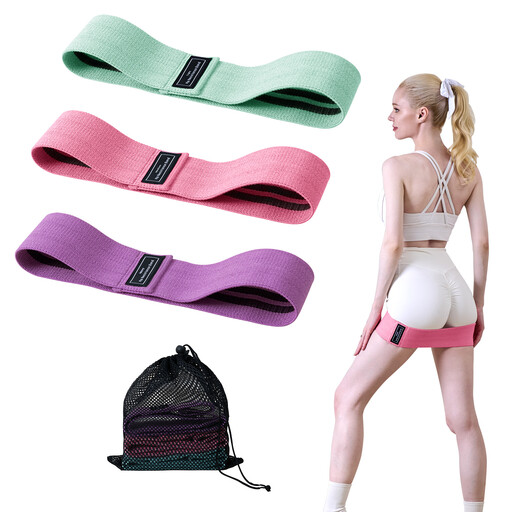
- Why It Stands Out: This set is specifically designed for lower body training. The high-quality cotton fabric construction ensures they stay put during the most intense leg and glute workouts. With three distinct resistance levels (Light, Medium, Heavy), it allows for clear progression.
- Pros:
- Durable, skin-friendly cotton material.
- Non-slip design prevents rolling or sliding.
- Three progressive resistance levels in one set.
- Includes a storage bag for convenience.
- Who is it for?: Individuals focused on strengthening and toning their glutes, hips and legs. Ideal for those who perform frequent squats, lunges and hip thrusts at home or in the gym and are tired of rubber bands rolling up.
Multi-Level Stretch Strap with 8 Loops
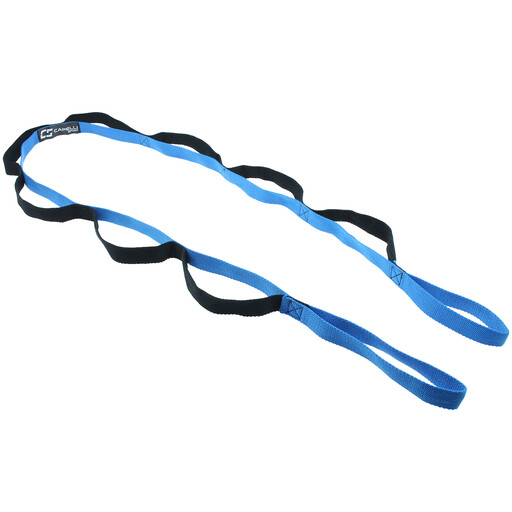
- Why It Stands Out: This is a dedicated tool for flexibility, not resistance. Made from durable polypropylene, its key feature is the 8-loop system, which allows you to adjust the intensity of your stretch and track your progress over time. It provides the support needed to hold stretches for longer and with better form.
- Pros:
- Durable construction designed for frequent use.
- Eight loops offer customisable support for all flexibility levels.
- Excellent for static and dynamic stretching.
- Aids in improving balance and posture.
- Who is it for?: Yoga and Pilates practitioners, dancers, gymnasts and anyone looking to improve their overall flexibility. It's also a valuable aid for post-workout recovery and certain physical therapy protocols focused on mobility.
5PK Mini Loop Latex Resistance Bands
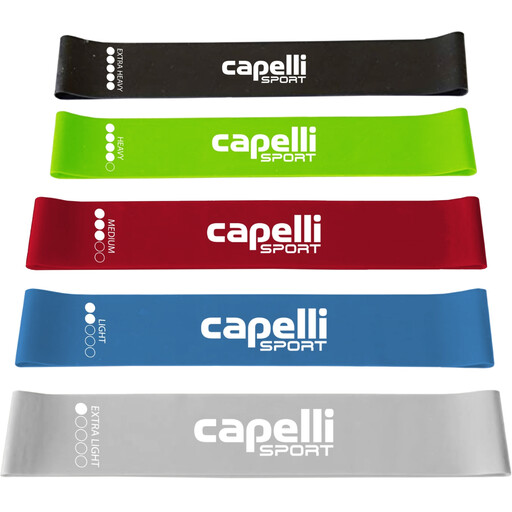
- Why It Stands Out: This 5-pack of latex bands is the definition of versatility. With five colour-coded resistance levels ranging from Extra Light to Extra Heavy, it covers every possible need, from gentle rehabilitation exercises to advanced strength training bands.
- Pros:
- Five distinct resistance levels for complete scalability.
- Made from heavy-duty latex for good elasticity.
- Highly portable with an included travel bag.
- Suitable for full-body workouts, including arms, back and legs.
- Who is it for?: Anyone looking for an all-in-one solution. It's perfect for beginners who need to start light and progress, individuals undergoing physical therapy or experienced users who require different resistance levels for various exercises.
Complete Your Workout Kit
A great workout routine is supported by the right gear. To ensure you can move with comfort and confidence during your resistance band sessions, having the right apparel is essential. Explore our collection of fitted yoga leggings to find the perfect pair for your new routine.
Frequently Asked Questions
1. Can you build muscle with just resistance bands? Yes, you can. Muscle growth occurs when muscles are challenged, a principle known as progressive overload. By gradually moving to a band with higher resistance or increasing the number of repetitions, you can effectively stimulate muscle growth and toning. They are an excellent and low-impact tool for building strength.
2. How do I choose the right resistance band strength? A good starting point is to select a band that allows you to complete your target number of repetitions (e.g., 10-15) with proper form, where the last few feel challenging. If you can easily exceed 15 reps, it's time to move to a heavier band. If you struggle to complete 8 reps, choose a lighter one. A set with multiple levels provides the best flexibility to adapt to different exercises and increasing strength.
3. How often should I replace my resistance bands? It is crucial to inspect your bands for any nicks, small tears or signs of wear before every use. For safety, discontinue using a band immediately if you notice any damage. With regular use, latex bands may need replacing every 6 to 12 months, while high-quality fabric bands often have a longer lifespan. Proper storage away from direct sunlight and sharp objects will also extend their life.


