
24/7 Customer Support

Free returns

Same-day & Next-day Delivery

Quality Guaranteed

Unlock Your Welcome Offers: FREE Delivery | Up to 80% OFF | Free 30-day JoyPlus trial
Download the APP
Retro products can add personality to a room, make a practical gift feel more distinctive and bring nostalgic design into everyday routines. However, a vintage-inspired finish does not automatically mean an item is suitable for your home, family or budget.
The main buying challenge is separating useful retro design from decorative styling that hides compromises. A compact appliance may look attractive but lack the capacity you need, while a gaming device may advertise a large game library without clearly explaining compatibility or controls. This guide breaks down the features worth checking before choosing retro home appliances, gaming accessories, furniture or gifts.
Rounded edges, chrome-effect details and bold colours can make a retro mini fridge, microwave or toaster stand out online. Yet worktop space is limited in many UK kitchens, student rooms and home offices. Always check the full height, width and depth, as well as clearance around ventilation points and the space needed to open doors, baskets or lids.
For furniture, measure doorways, staircases and lift access before ordering. A retro bed frame or dining chair set may fit the room but still be difficult to bring indoors.
Retro kitchen appliances often include modern functions such as digital displays, adjustable temperature controls and automatic shut-off. On the other hand, some products focus heavily on appearance while offering only basic controls.
Compare the actual specifications rather than relying on phrases such as “high performance” or “professional quality”. For example, check the wattage of a retro air fryer or microwave, the number of cooking settings, basket or cavity size and cleaning requirements.
A retro handheld game console may list thousands of included games, but the useful questions are whether the controls are comfortable, how clearly the screen displays content and whether storage can be expanded. Similarly, a hair dryer’s motor speed or ion count does not by itself determine whether its weight, noise level or temperature settings suit your routine.
Look for measurable details that affect daily use, including battery capacity, screen size, power settings, noise level, materials and warranty information.
For mains-powered retro home appliances, check that the product is supplied for UK use and has suitable voltage, plug and operating instructions. Look for the relevant UK conformity information, a clear manufacturer or importer address and safety guidance. Do not use an appliance near water unless the instructions specifically permit it, and never ignore ventilation requirements.
Toasters, microwaves, air fryers and slow cookers should sit on a stable, heat-resistant surface. Check whether removable parts are dishwasher-safe, hand-wash only or unsuitable for immersion. A cool-touch exterior, non-slip feet, child lock or automatic shut-off can be useful practical features, but they do not remove the need for supervision.
Match capacity to the number of people using the item. A 4-litre portable cooler is suited to drinks, snacks or skincare storage, whereas an 8-litre dual-basket air fryer is more appropriate when preparing two foods at once. A 20-litre microwave can suit compact kitchens, but families may prefer a larger cavity.
For retro kitchen appliances, identify whether controls are manual dials, buttons or touch panels. Manual controls are straightforward, while digital functions can provide more precise timers and presets. For a retro slow cooker, check heat settings, keep-warm functionality and whether the ceramic pot can be removed for serving and cleaning.
Retro furniture should be assessed for frame materials, weight limits, assembly requirements and floor protection. Upholstered chairs need a fabric that can be spot-cleaned, while wooden legs should be checked periodically for secure fixings.
For a retro hair dryer, consider weight, cord length, noise level, temperature controls and filter access. The ZHIBAI model listed below weighs 378g, offers two wind speeds and four temperature options, and has a removable anti-suction filter. These are practical features to compare without assuming a particular cosmetic or health outcome.
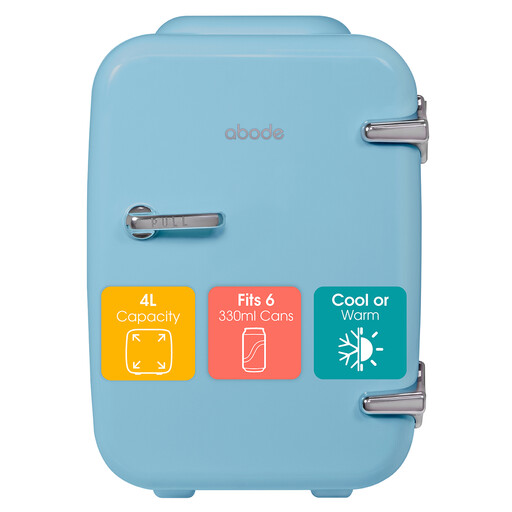
Why This Fits Their Persona: A practical starting point for students, home-office users and shoppers wanting retro styling without committing to a full-size appliance. Its 2kg weight and carry handle suit flexible use around the home or on trips.
The 4-litre capacity and stated dimensions make it easier to judge whether it will fit a desk, bedroom or travel setup before purchase.
Cools below ambient temperature, warms between 50°C and 65°C, and includes both mains and 12V car power options.
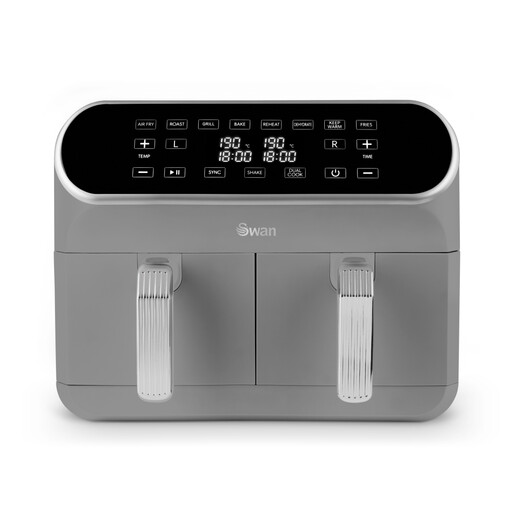
Why This Fits Their Persona: Suitable for households that want a statement appliance with clearly specified controls and enough capacity for varied family cooking.
Rather than relying only on retro styling, it specifies two 4-litre baskets, eight cooking presets, adjustable temperature and a shake reminder.
Dual-basket cooking supports two dishes, while basket detection, auto shut-off and non-slip feet add practical safety features.

Why This Fits Their Persona: A portable option for commuters, travellers and nostalgic gamers who want a dedicated retro handheld game console rather than a display-only product.
The 4-inch IPS display, dual joysticks, 64GB storage and Linux system provide concrete details beyond a generic classic-games claim.
A 4000mAh battery, 720x720 resolution, headphone jack and TF card support are useful for mobile play.
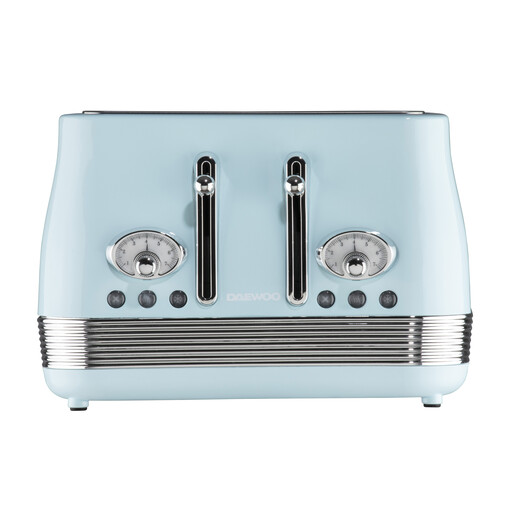
Why This Fits Their Persona: A sensible choice for households that want vintage-style homeware and a visible worktop appliance for regular breakfasts.
Its four-slice capacity, seven browning settings and extra-wide slots make the everyday function clear rather than purely decorative.
Defrost, reheat and cancel functions are included, along with a removable crumb tray, cool-touch exterior and non-slip feet.
We have compiled a complete, real-time list of products that fully satisfy these strict selection criteria and UK safety regulations.
They can be, provided you compare measurements carefully. Compact items such as a 20-litre retro microwave or 4-litre cooler may suit limited worktops, but allow space for ventilation, cables and access. Avoid placing heat-producing appliances directly beneath cupboards unless the instructions permit it.
Running cost depends mainly on power rating, usage time and frequency, not the appearance. Compare wattage and use the appliance only for the required duration. A dual-basket air fryer may allow two foods to cook together, while a slow cooker uses lower power over a longer period. Check the product manual for operating guidance rather than relying on broad energy-saving claims.
Lifespan varies by product type, construction, maintenance and frequency of use. Keep filters and crumb trays clean, avoid overloading cooking appliances, inspect cables and follow the manufacturer’s instructions. For furniture, tighten fixings periodically. Before purchasing, check the stated warranty, returns policy and availability of replacement parts where relevant.