
24/7 Customer Support

Free returns

Same-day & Next-day Delivery

Quality Guaranteed

Unlock Your Welcome Offers: FREE Delivery | Up to 80% OFF | Free 30-day JoyPlus trial
Download the APP
Reusable bottles can save money and reduce the need for disposable drinks containers, but the wrong design quickly becomes inconvenient. A lid that leaks in a work bag, a narrow opening that is difficult to clean, or a material that retains smells can turn an apparently good purchase into an everyday frustration.
The right choice depends on how you intend to use it. A commuter may prioritise cup-holder compatibility, while a gym-goer may need a mixing grid and secure sports lid. Parents and small-animal owners also need bottles designed for their specific use rather than a general hydration product.
A leak-proof claim is only useful when the bottle has a properly fitted gasket, secure screw thread and a lid that remains closed during movement. Flip-top sports lids can be convenient, but check whether the cap locks firmly. For travel refillable bottles, each bottle and lid should be checked after filling, particularly before placing them in luggage.
Remember that some designs are leak-resistant only when used correctly. A straw tumbler may be sealed when the straw is removed, for example, but not necessarily when it is inserted.
Large sports water bottles hold more liquid but can become heavy when full. A 1-litre bottle may suit a long day away from home, whereas a 400ml protein shaker may be more practical for a single supplement serving.
For gym bottles, compare the stated capacity with the measurement markings. A bottle marketed as 700ml may have a practical fill line below its maximum volume, especially when powder, ice or a mixing insert is added.
Plastic is generally lightweight and convenient, but it may be less suitable for hot drinks and can show scratches over time. Stainless steel is robust and less prone to retaining odours, although it can be heavier. Glass water bottles can resist taste transfer but require careful handling, even with a silicone sleeve. Aluminium water bottles are light, but buyers should follow the manufacturer’s guidance regarding internal coatings, acidic drinks and cleaning.
Choose a size that matches your routine:
Check the bottle’s diameter if you plan to use a vehicle cup holder. A carry loop, strap or clip can also make a difference when travelling between the office, gym and public transport.
A secure lid should have a visible seal or gasket and close without cross-threading. Wide-mouth bottles are usually easier to clean and fill with ice, while narrow-mouth designs may be more comfortable for sipping on the move.
Look for removable components, including straws, mixing grids and silicone seals. These areas can collect residue if they are not rinsed promptly. Follow the stated care instructions: some bottles are dishwasher safe, while others require hand washing to protect coatings, insulation or sleeves.
For BPA-free bottles, check that the product description clearly identifies the material rather than relying only on general marketing language. Do not use a bottle with hot or boiling liquids unless the manufacturer specifically permits it. Sealed containers can build pressure, particularly when shaken.
Carbonated drinks may also create pressure or cause leakage. Inspect bottles regularly for cracks, dents, worn seals, sharp edges or damaged internal coatings. For baby feeding bottles, follow the supplied sterilising instructions and inspect teats before every use. Rabbit drinking bottles require secure cage attachment and regular checks that water is flowing through the spout.
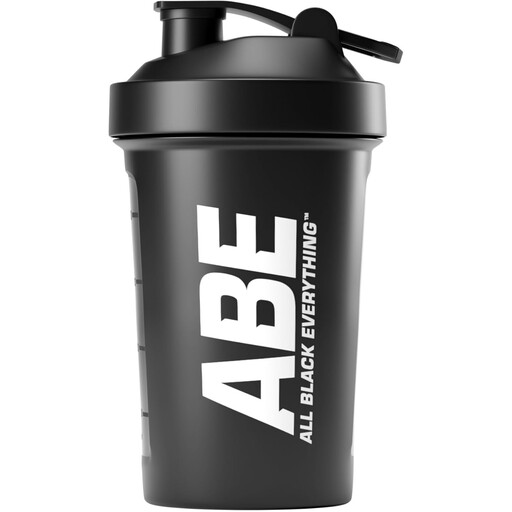
Why This Fits Their Persona: The compact 400ml format is suitable for new gym users, short training sessions and anyone who wants a lightweight shaker without carrying a large bottle.
Clear markings from 100ml to 400ml make serving quantities easier to measure, while the screw lid and flip-top cap are designed for carrying in a gym bag.
BPA-free plastic, internal mesh grille, measurement markings and a wide spout.
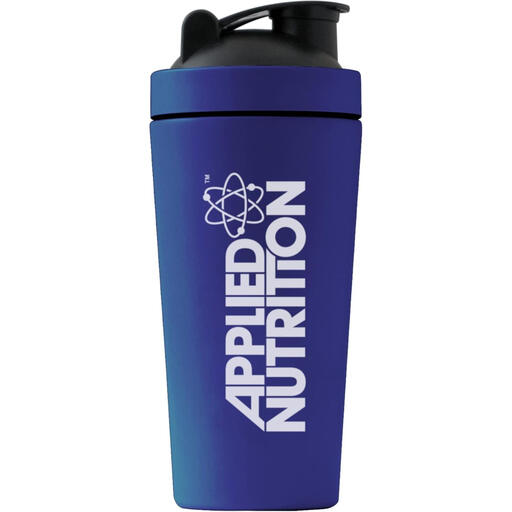
Why This Fits Their Persona: Its stainless steel construction and 750ml capacity suit regular training, commuting and users who prefer a metal shaker over conventional plastic.
The secure screw-on lid, flip cap and internal measurement markings address common spill and portion-control problems.
Stainless steel body, 750ml capacity, mixing mesh and matte finish for grip.
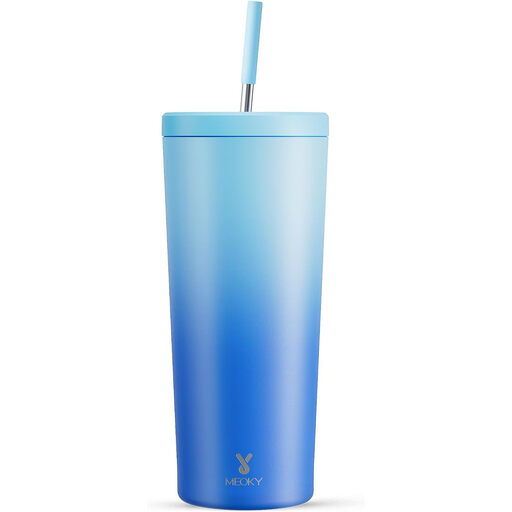
Why This Fits Their Persona: Commuters and drivers can use the tapered base in many car cup holders, while the 24oz format provides more capacity for longer days out.
The lid is described as leak-proof when the straw is removed, helping buyers understand the condition attached to the claim.
18/8 stainless steel, double-wall vacuum insulation, non-slip base and cup-holder-friendly shape.
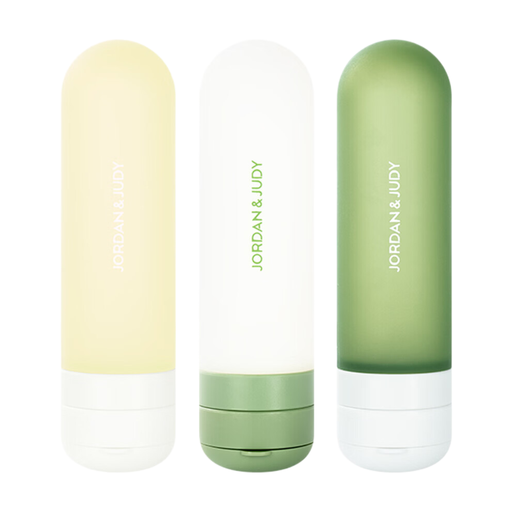
Why This Fits Their Persona: The 50ml format is suitable for carrying shampoo, lotion, cleanser or body wash in hand luggage, a gym bag or a compact wash bag.
The squeezable silicone body is designed for thicker liquids, while the screw-top lid should be tightened and checked before packing.
Food-grade BPA-free silicone, reusable construction and 50ml capacity per bottle.
We have compiled a complete, real-time list of products that fully satisfy these strict selection criteria and UK safety regulations.
Wash bottles after each day of use, especially when they contain milk, protein powder, juice or other flavoured drinks. Remove lids, seals, straws and mixing grids where possible. Allow every component to dry fully before reassembly to reduce lingering smells and residue.
Lifespan depends on the material, frequency of use and care. Replace any bottle that develops cracks, sharp edges, deep scratches, a damaged coating or a seal that no longer closes securely. Teats and other baby-bottle parts may require more frequent replacement, following the manufacturer’s instructions.
Not unless the product instructions specifically allow it. The supplied Applied Nutrition shaker products state that they should not be used with hot liquids. Pressure can build inside a sealed container, particularly when the contents are shaken, creating a risk of leakage or sudden release when opened.