
24/7 Customer Support

Free returns

Same-day & Next-day Delivery

Quality Guaranteed

Unlock Your Welcome Offers: FREE Delivery | Up to 80% OFF | Free 30-day JoyPlus trial
Download the APP
Tired of single-use paper towels that run out too quickly and cleaning wipes that leave behind residue? Making the switch to reusable cleaning cloths is a practical step towards a more efficient and sustainable household. However, with so many options available, it can be difficult to know which cloth is right for which job. A cloth that leaves your windows gleaming might not be the one you want for mopping up a spill in the kitchen.
As a Joybuy Product Recommendation Officer, my role is to help you navigate these choices. This guide will break down the key features to look for and highlight some dependable options, so you can find the right tools to keep your home sparkling.
Before you add anything to your basket, consider these three points. They will help you select cloths that are effective, durable and suited to your specific cleaning needs.
The material of a cloth dictates its performance. The two most common types you'll encounter are microfibre and sponge.
Not all microfibre is created equal. The weave and texture are tailored for specific tasks. A cloth designed for glass will have a very fine, tight weave to prevent lint and streaks. In contrast, an all purpose cleaning cloth might have a plusher, thicker pile to pick up more dust and scrub away grime from varied surfaces. For a truly streak free window cloth, look for one specifically marketed for glass and mirrors.
A key benefit of eco friendly cleaning is reducing waste. Look for high-quality, washable cloths that can withstand hundreds of machine washes without losing their effectiveness. This not only saves money over time but also reduces your environmental footprint. For hygiene, it's good practice to use colour-coded cloths for different areas (e.g., one colour for the kitchen, another for the bathroom) to prevent cross-contamination.
Based on their features and intended use, here are a few standout options to consider for your cleaning arsenal.
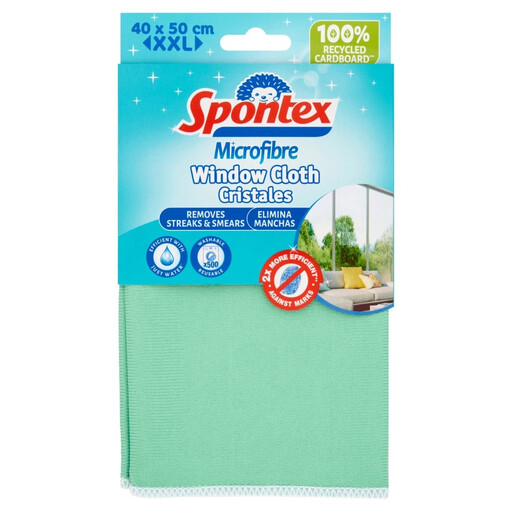
Why It Stands Out: This cloth is specifically engineered for a streak-free finish on glass surfaces. Its special microfibre texture is designed to lift away grease, fingerprints and watermarks effectively. According to Spontex, it is designed to remove 99% of bacteria and viruses with just water, reducing the need for chemical sprays. Its generous 40 x 50 cm size makes quick work of large windows and mirrors.
Pros:
Who is it for?: Anyone who wants a crystal-clear, smear-free finish on their windows, mirrors and other glass surfaces without the fuss of sprays and paper towels.
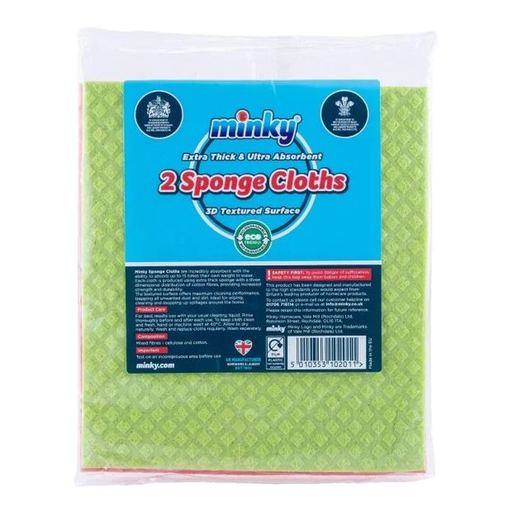
Why It Stands Out: When it comes to spills, absorbency is paramount. The Minky Extra Thick Sponge Cloth is a champion in this area, capable of holding up to 7 times its own weight in water. Its unique 3D surface helps with wiping and cleaning, making it a highly practical tool for the kitchen and bathroom.
Pros:
Who is it for?: Households that need a reliable and highly absorbent cloth for dealing with frequent spills and wiping down wet surfaces, particularly in the kitchen.
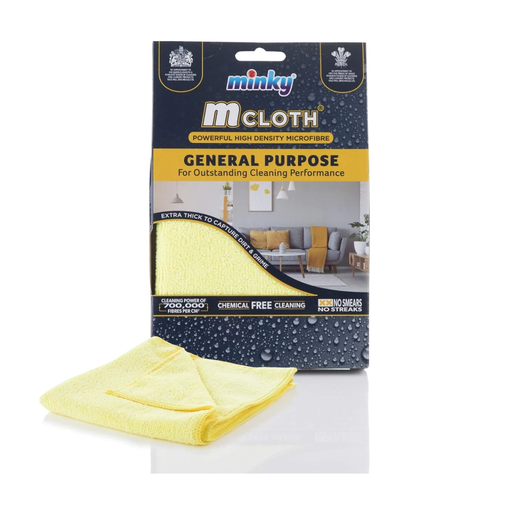
Why It Stands Out: This is a premium all-rounder. The Minky MCloth is constructed from high-density microfibres, containing a remarkable 700,000 fibres per cm?. This dense construction gives it enhanced cleaning power and absorption, allowing it to tackle dust, dirt and grime on virtually any surface, often without needing chemical cleaners.
Pros:
Who is it for?: Those looking for a single, high-performance cloth that can handle a wide variety of cleaning jobs, from dusting furniture to wiping down kitchen appliances.
If these specific recommendations don't quite fit your needs, or if you're searching for cloths for other specialised tasks, there are many more to discover. A well-stocked cleaning cupboard has a cloth for every occasion.
Browse our full collection of Easy Clean Cloths to find the perfect match for every task in your home.
1. How should you wash microfibre cleaning cloths? To maintain their effectiveness, wash microfibre cloths with a standard laundry detergent but avoid using fabric softener, as it can clog the fibres and reduce their ability to attract dust. It is best to wash them with other non-linting synthetic materials and let them air dry.
2. Can you really clean effectively with just water and a microfibre cloth? For many daily cleaning tasks, yes. High-quality microfibre cleaning cloths are designed with millions of tiny fibres that mechanically scrub surfaces and create a static charge to trap dust and dirt. Dampening the cloth with water helps lift and remove grime, reducing the reliance on chemical cleaners for general wiping and dusting.
3. How often should you replace reusable cleaning cloths? This depends on the cloth's quality, usage frequency and how it's cared for. A durable cloth can last for hundreds of washes. A good rule of thumb is to replace them when you notice they are no longer cleaning effectively, have lost their texture or are visibly worn out. Regular replacement is key to maintaining hygiene and performance.