
24/7 全天候客户支持

免费退货

当日/次日达

品质保障

开启新人专享福利: 全场免邮 | 低至 2 折 | 免费试用 30 天 JoyPlus 会员
下载 Joybuy
Wasted food and single-use plastics are two challenges many UK households are keen to tackle. An effective set of freezer bags can be a surprisingly powerful tool, helping you reduce food spoilage, cut down on plastic waste and keep your freezer neatly organised. However, with so many options available, finding the right ones can feel like a chore.
The goal of this guide is to help you navigate the choices. We will look at the key features to consider when selecting food storage bags and highlight a few options that stand out for their performance and practicality. Whether you are a dedicated meal prepper, a bulk-buying enthusiast or simply looking for a more sustainable way to manage your kitchen, this guide will provide clear, practical advice to help you find the right solution for your home.
Choosing the right freezer bag comes down to more than just size. To ensure your food stays fresh and your investment is worthwhile, consider these three key factors.
The material of a freezer bag directly impacts its performance and environmental footprint. Most are made from food-grade polyethylene (PE), but the thickness and quality can vary. Heavy-duty freezer bags are designed to be more robust, resisting tears and punctures when storing items with sharp edges, like bones in meat. For those seeking more eco-friendly food bags, options now include materials with degradable properties or those made from recycled resources. For preserving delicate foods like fish, multi-layer bags with an aluminium foil layer offer an excellent barrier against light and oxygen, which helps to prevent oxidation.
A secure seal is non-negotiable. It is the primary defence against freezer burn, which occurs when air comes into contact with the food's surface, causing it to dehydrate and lose flavour. Look for reliable zip-lock bags for food or those with a slider mechanism. A truly leakproof freezer bag not only locks in freshness but also prevents odours from cross-contaminating other items in your freezer and stops liquids from seeping out during defrosting.
Consider what you plan to freeze. Large freezer bags are ideal for batch-cooked meals, whole loaves of bread or bulk portions of meat. Smaller bags are better suited for individual servings, chopped vegetables or berries. Some bags also offer helpful features like a stand-up base for easy filling or a dedicated writable area for labelling contents and dates—a simple but crucial feature for good freezer management.
Here are a few carefully selected options available in the UK, chosen for their practical features and suitability for different household needs.
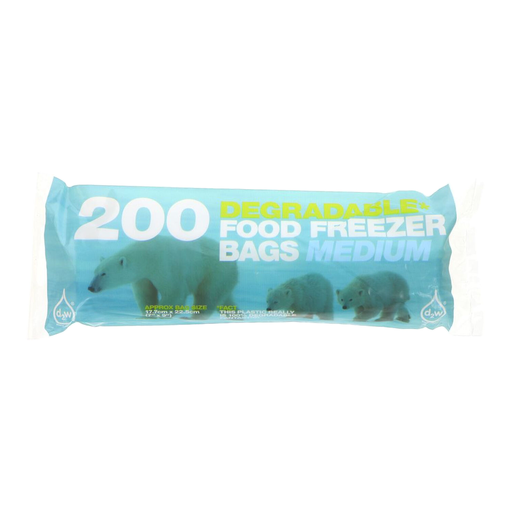
Why It Stands Out This option from d2w Symphony Environmental combines high-volume storage with a thoughtful design. The key feature is the d2w degradable technology. According to the manufacturer, while the bags are stable and durable during their useful life, they are designed to break down much faster than conventional plastic in certain end-of-life environments. The pack contains 200 large freezer bags, each with a 10L capacity, making it a great value choice for long-term use. They are constructed from high-strength, food-grade plastic rated for temperatures as low as -40°C and feature a secure zipper seal and a writable panel for easy organisation.
Pros:
Who is it for? Environmentally-conscious households that get through a lot of freezer bags and need a reliable, large-capacity option for storing bulk-bought food, especially freezer bags for meat and large vegetable portions.
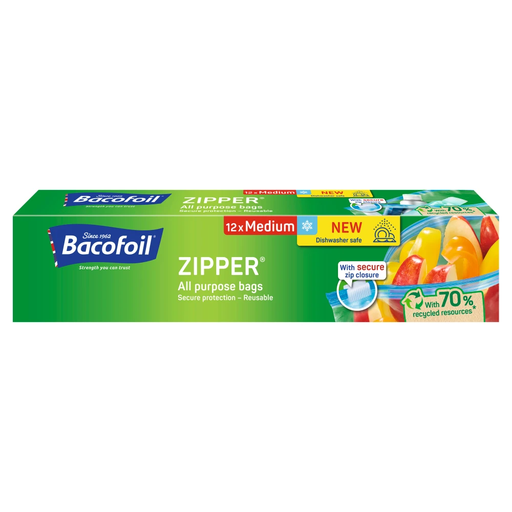
Why It Stands Out Bacofoil's Zipper All Purpose Bags are designed for versatility and repeated use. A standout feature is the audible "ZZZZiip" closure, which gives you confidence that the bag is securely sealed. Made from tear-resistant material, these bags also have a flexible stand-alone base, which makes filling them with liquids or leftovers much less messy. They are dishwasher safe and can be reused up to 10 times, making them a practical choice for reducing waste. Furthermore, they are made from recycled resources and are fully recyclable where facilities exist.
Pros:
Who is it for? Busy home cooks and meal preppers who need a dependable, multi-purpose bag for everything from freezing portions of soup to storing sandwiches for lunch. Their reusability makes them a great fit for anyone looking to reduce their daily plastic consumption.
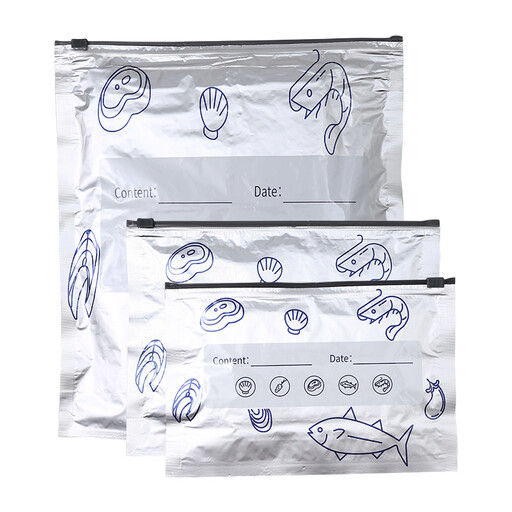
Why It Stands Out These food-saver bags UK households will find particularly useful for delicate items. The Maxcook bags are constructed from a multi-layer composite material (PET + AL + PE) that includes an aluminium foil layer. This design is highly effective at blocking light and oxygen, which helps to slow down oxidation and preserve the flavour and texture of foods like seafood and cured meats. The pack includes 30 bags across three different sizes, offering flexibility for various storage needs. They feature a smooth sliding zipper, a stand-up design and a writable label area for superior organisation.
Pros:
Who is it for? Individuals who freeze high-value or delicate foods like fish, seafood or cured meats and want maximum protection against flavour loss and odour transfer. The variety of sizes also suits those who value a highly organised freezer.
While these recommendations cover a range of common needs, the world of food storage is vast. If you are looking for different sizes, materials or closure types, there are many other solutions to explore.
Discover a wider selection of storage solutions in our best bags category to find the perfect fit for your kitchen.
1. How should I clean reusable freezer bags? For best results, turn the bag inside out and wash it with warm, soapy water using a soft sponge. Avoid abrasive scrubbers that could scratch the plastic. Rinse thoroughly and, most importantly, allow the bag to air dry completely before sealing or storing it to prevent moisture from being trapped inside.
2. What is the difference between a freezer bag and a regular food storage bag? Freezer bags are specifically designed for long-term cold storage. They are typically made from a thicker, more durable plastic (heavy-duty freezer bags) to resist becoming brittle at low temperatures. They also feature more robust seals to provide an airtight barrier, which is crucial for preventing freezer burn and preserving food quality over months.
3. Can I put hot food directly into a freezer bag? It is not recommended. Placing hot food directly into a plastic bag can cause the plastic to warp or leach chemicals. More importantly, it can create an unsafe temperature zone inside the bag where bacteria can multiply rapidly. Always let cooked food cool to at least room temperature before bagging and freezing it.