
24/7 Customer Support

Free returns

Same-day & Next-day Delivery

Quality Guaranteed

Unlock Your Welcome Offers: FREE Delivery | Up to 80% OFF | Free 30-day JoyPlus trial
Download the APP
A reusable lunch box can save money and reduce reliance on cling film, foil and single-use bags. However, attractive packaging and broad claims do not always reveal whether a container will suit your daily routine. The right choice depends on how you transport, heat, clean and store food.
This guide highlights common buying traps, explains the specifications worth checking and matches practical products to different UK lifestyles.
A secure lid may help contain food, but performance depends on the seal, clips, hinges and how the container is packed. Soups, sauces and yoghurt place greater demands on a lid than sandwiches or dry snacks.
Check whether the product description identifies a silicone seal, sealed lid or leak-resistant lining. Keep liquid containers upright where possible, and do not overfill them.
A 2-litre lunch box may sound convenient, but it can become bulky in a work bag or school backpack. Conversely, a compact Bento lunch box may not hold enough for a full day.
Think about the food you normally carry. A divided lunch box is useful for sandwiches, fruit and snacks, while a single deep container may suit pasta, salads or leftovers. Measure your lunch bag before buying, particularly if you also carry a water bottle or laptop.
“Reusable” does not automatically mean microwave-safe or dishwasher-safe. Some stainless steel lunch boxes must not go in a microwave, while certain plastic containers are only suitable for the top rack of a dishwasher.
Always check the manufacturer’s instructions. Microwave-safe food containers should be used with the lid open or with the designated steam vents available. Do not place containers in an oven unless the product specifically permits it.
For everyday use, look for clearly stated materials such as food-grade polypropylene (PP), Tritan or 304 stainless steel. BPA-free information can be useful when choosing plastic reusable food containers, but it should be considered alongside the full care instructions and intended use.
Stainless steel is resistant to staining and odours, but it is generally unsuitable for microwave heating. Plastic containers can be lighter and may offer more flexible fridge, freezer and microwave use. Products marketed as an eco-friendly lunch box should also be assessed by the specific material claim rather than by green-coloured packaging alone.
A leak-proof lunch box should have a lid that closes evenly, with clips or a gasket that remains properly seated. Removable seals are easier to inspect and clean. Separate compartments can help prevent fruit, snacks and sandwiches from touching, although a divided design may not be fully leak-proof between sections.
For meal prep containers, consider whether the compartments match your portions and whether the lids stack securely. Stackable food storage containers are particularly useful in smaller UK fridges and shared office kitchens.
Common capacities range from small snack pots to containers around 1–2 litres. Check the measurements in centimetres, not just the volume. A container that fits inside your cupboard may still be too wide for your lunch bag.
Also check whether it is:
For temperature-sensitive meals, a container alone will not keep food hot or cold for the whole day. Use an insulated lunch backpack or lunch bag with suitable cold packs where necessary.
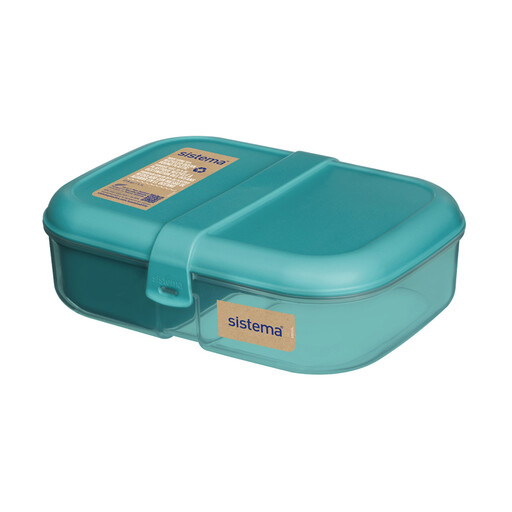
Why This Fits Their Persona: A practical option for office workers, students and parents who want one container for a packed lunch and snacks. Its 1.1-litre capacity is substantial without being designed as a full food-storage set.
The removable divided tray and Mini Bite Pot help separate foods instead of relying on loose bags or foil. The clip lid provides a defined closure, while the listing specifies top-rack dishwasher, fridge, freezer and microwave use with the lid open.
Made from food-grade, BPA-free recycled PP with 35% recycled ocean-bound plastic; stackable design and Bento-style organisation.
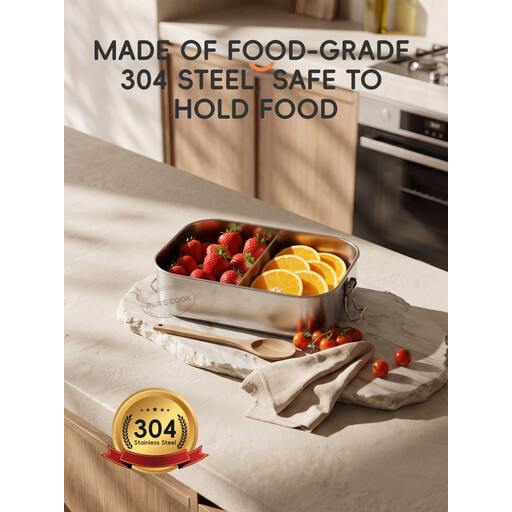
Why This Fits Their Persona: Suitable for commuters and adults who prefer a metal lunch box with a generous 61.2 fl oz capacity for work, travel or meal prep.
The dual-compartment format gives foods separate spaces, while lockable clips and a removable silicone seal address the common problem of loose-fitting lids.
304 stainless steel construction, rectangular shape and two compartments; the listing identifies it as dishwasher-safe.
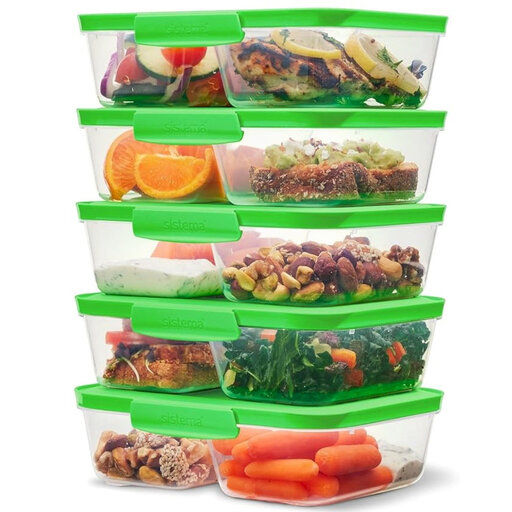
Why This Fits Their Persona: A five-piece set suits people preparing several lunches or dinners at once for the fridge, freezer or workplace.
The 870ml size gives portions a defined capacity, while the Nest It design stacks full containers and nests them when empty to reduce cupboard clutter.
Five containers in one set; listed as freezer-ready, microwave-safe with guidance and top-rack dishwasher-safe.
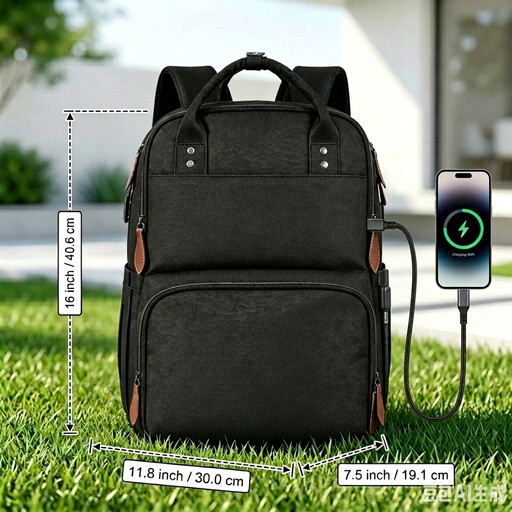
Why This Fits Their Persona: Designed for commuters, university users, business travel and outdoor days when food must travel alongside a laptop and everyday essentials.
The insulated compartment is separate from the laptop and main storage areas. The product information specifies a cleanable foil liner, water-resistant fabric and a temperature-retention estimate of 2–4 hours.
Fits laptops up to 15.6 inches, holds up to 10 330ml cans according to the listing and includes a luggage strap and USB charging port.
We have compiled a complete, real-time list of products that fully satisfy these strict selection criteria and UK safety regulations.
Usually, the value depends on how frequently you pack food and how long the container remains usable. A reusable lunch box can reduce regular spending on foil, cling film and disposable bags, but it still requires cleaning and occasional replacement of worn seals or damaged lids.
There is no fixed lifespan. A container may remain suitable for years if it is not cracked, warped or heavily stained, and if the lid still closes securely. Replace it when the seal no longer works properly, clips break or the material shows damage.
No. Stainless steel should not be placed in a microwave unless the manufacturer provides very specific instructions, which is uncommon. Transfer food to a microwave-safe container for reheating, and check whether the lid must be removed or vented.