
24/7 Customer Support

Free returns

Same-day & Next-day Delivery

Quality Guaranteed

Unlock Your Welcome Offers: FREE Delivery | Up to 80% OFF | Free 30-day JoyPlus trial
Download the APP
Choosing reusable serving platters and plates can make hosting easier, but attractive packaging and vague sustainability claims do not always tell you whether tableware will suit your food, storage space or washing-up routine. Home hosts, caterers, schools and event organisers often discover the same problems: trays that bend when lifted, plates that are too small for practical portions, or products described as reusable without clear care instructions.
This guide from the Joybuy Product Recommendation Officer focuses on the details that matter before you buy.
A platter may look large in a product photograph but have limited depth or usable surface area. Check the actual dimensions in millimetres, not just descriptions such as “party size” or “catering size”. A 14-inch platter may suit sandwiches and pastries, while a 22-inch option is more appropriate for large roasts or a buffet centrepiece.
Depth matters too. Shallow foil serving platters can be convenient for dry foods, but a 26–30mm rim is more helpful when carrying sliced meat, vegetables or foods with sauces.
Reusable does not mean indestructible. Foil and aluminium trays can be lightweight and convenient, but heavier food may require support underneath during transport. Repeated washing, abrasive cleaning products and sharp utensils may also affect the surface.
For longer-term use, check the material, cleaning instructions and handling guidance. Stainless steel, for example, is generally more suited to repeated everyday use than disposable-style tableware, provided it is maintained correctly.
Food-contact tableware should be used according to the supplier’s instructions. Acidic or salty foods, high heat and extended storage may not be suitable for every material. If you plan to use aluminium foil trays for hot food, confirm that the product is intended for that purpose and handle it carefully after cooking.
“Recyclable” also depends on local recycling facilities and the condition of the item. Remove food residue where required and follow your council’s guidance rather than assuming every collection service accepts used foil or aluminium.
Start by measuring the table, buffet shelf, fridge or catering box where the platter will be used. Compare:
For large serving platters, capacity is only useful if the item remains manageable when full. Two medium platters may be easier to lift and rearrange than one very large tray.
Foil and aluminium options are lightweight and stack neatly, making them practical for catering platters, office lunches and community events. Stainless steel is a more structured option for repeated meals, outdoor dining and portioned serving.
The PURECOOK tray is listed as food-grade 304 stainless steel, with five separate sections and dishwasher-safe cleaning instructions. The supplier also advises using a soft sponge and mild detergent, and avoiding abrasive tools. These instructions are important because scratches and surface damage can reduce the usable life of tableware.
Plastic reusable plates can be useful for families and children, particularly where low weight and easy handling are priorities. Always follow the product’s stated microwave and dishwasher guidance rather than applying assumptions to all plastic plates.
Compare the number of pieces with the type of event you host. A pack of two or three buffet serving trays may be more practical for occasional gatherings, while four reusable party plates can provide a simple place setting for a small family celebration.
For frequent events, estimate how many platters you need at one time and whether washing, storage or recycling costs affect the overall value. A product that can be cleaned and stored easily may reduce replacement purchases, but its lifespan depends on correct use and care.
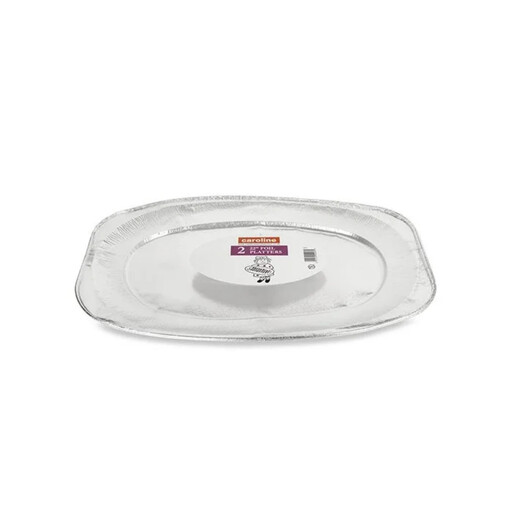
Why This Fits Their Persona: A compact two-piece option for first-time hosts, small family gatherings, bake sales and office lunches where a full catering setup is unnecessary.
The listed 348 x 248 x 26mm dimensions make capacity clearer than a vague “party platter” label, while the two-pack avoids buying more pieces than needed.
Two platters per pack; 26mm depth; suitable for hot or cold food presentation according to the product description.
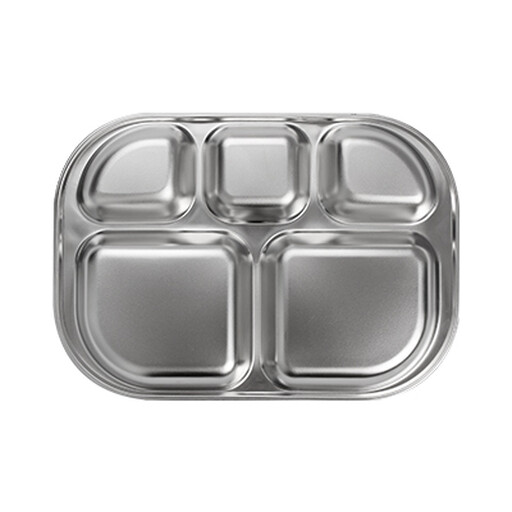
Why This Fits Their Persona: Suitable for shoppers prioritising a structured, washable tray for home meals, camping, nurseries or portioned serving.
The material and five-compartment design are specified clearly, reducing uncertainty about durability, food separation and cleaning.
304 stainless steel; five independent sections; dishwasher-safe cleaning instructions.
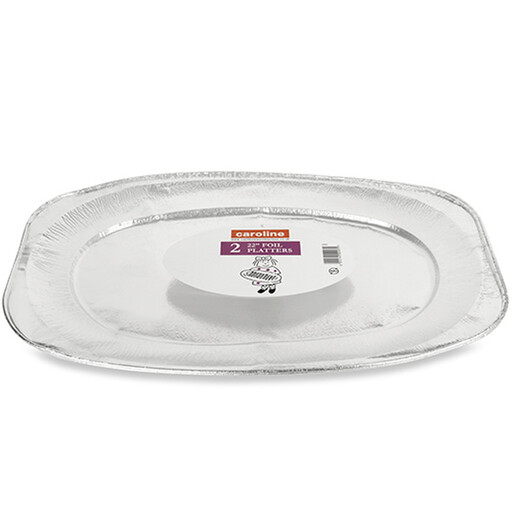
Why This Fits Their Persona: Designed for large buffets, weddings, BBQs and catering jobs where substantial presentation space is more important than compact storage.
The 550 x 362 x 28mm specification sets realistic expectations about footprint and confirms that extra support may be needed when carrying heavier dishes.
Two large trays per pack; 28mm depth; lightweight recyclable aluminium foil listed for hot and cold food display.

Why This Fits Their Persona: The 21cm diameter and lightweight food-grade plastic format suit children’s meals, desserts, family dinners and themed party tables.
The stated diameter and four-piece quantity help parents plan place settings, while reusable construction avoids relying entirely on single-use children’s party plates.
Four reusable plates; 21cm diameter; lightweight food-grade plastic listed for everyday use.
Before serving, place large platters on a stable, level surface and avoid overloading them beyond what can be safely carried. Use a board or firm tray underneath when transporting heavier food. Keep hot dishes away from children’s reach and allow heated metal to cool before handling.
For cleaning, follow the product instructions. Mild detergent and a soft sponge are suitable for the stainless-steel tray listed above. Store clean platters dry and nested where possible. Reusable plastic plates should only go in a dishwasher or microwave when the product information permits it.
If you need more formats, sizes or quantities, browse the wider range of platters plates.
We have compiled a complete, real-time list of products that fully satisfy these strict selection criteria and UK safety regulations.
Some are listed for hot food presentation, but suitability depends on the material and product instructions. Check the stated temperature guidance, use heat-resistant handling practices and allow metal trays to cool before moving them.
There is no single lifespan for all products. Stainless steel can be used repeatedly when cleaned with suitable products and protected from abrasive damage. Plastic and foil tableware may last for different periods depending on washing, storage, heat exposure and how heavily each item is used.
Recycling acceptance varies between councils and collection services. Remove food residue where required and check local guidance before placing aluminium foil trays in household recycling. If the item remains clean and undamaged, reuse may be possible where the supplier’s instructions allow it.