
24/7 全天候客户支持

免费退货

当日/次日达

品质保障

开启新人专享福利: 全场免邮 | 低至 2 折 | 免费试用 30 天 JoyPlus 会员
下载 Joybuy
A reusable bottle can look like a simple purchase, but the wrong design may become inconvenient within weeks. UK shoppers often choose based on colour, capacity or a prominent “leakproof” label, only to discover that the bottle does not fit a bag, is difficult to clean or is unsuitable for hot drinks.
This guide breaks down the practical details that matter when comparing reusable water bottles, from an everyday plastic sports bottle to an insulated water bottle or glass water bottle.
“Leakproof” performance depends on the cap, silicone seal and how securely the lid is closed. Some bottles only resist leaks when kept upright, while straw lids may not be fully sealed unless the straw is removed. Check the care instructions and whether the product is intended for transport inside a backpack or gym bag.
A 1L water bottle reduces the need for refilling, but it will be taller and heavier when full. It may not fit a car cup holder or a compact side pocket. A 500–600ml bottle is often easier for commuting, school and short gym sessions, while larger sizes suit long workdays, outdoor activities and matchdays.
A bottle with several lid parts, a straw and narrow channels can take longer to clean properly. Dishwasher-safe components can reduce effort, but some insulated bottles require hand washing to protect the finish or vacuum insulation. Always check whether the bottle, lid, sleeve and straw have different cleaning instructions.
Start with the routine rather than the appearance:
Capacity does not tell you the full story. Compare the listed dimensions with your bag’s bottle compartment, bicycle holder or car cup holder before buying.
A stainless steel water flask is generally selected for its solid construction and compatibility with insulated double-wall designs. Vacuum insulation can help retain drink temperature, but it also adds weight compared with a single-wall plastic bottle.
Plastic bottles are lightweight and practical for sport or everyday carrying. Check whether the product is described as BPA-free and follow the stated use restrictions. Some football club bottles are designed for cold or room-temperature drinks only and should not be used with hot or carbonated beverages.
A glass water bottle can help reduce concerns about staining or taste transfer. Borosilicate glass is used in the Bodum MELIOR range, with silicone protection around the bottle. However, glass still requires careful handling: do not use a bottle with chips or cracks, and avoid sudden temperature changes.
For a leakproof water bottle, inspect the closure rather than relying only on the product title. Screw caps with silicone gaskets offer a straightforward seal. Sports lids and straws allow quick sipping but may have more parts to wash.
Insulated models can be suitable for hot or cold drinks, but the instructions differ by product. For example, the Hy-Pro UEFA Champions League stainless steel bottle specifies hand washing and warns against use with dry ice or highly carbonated drinks. The Meoky insulated tumbler is intended for cold drinks and should be hand washed.
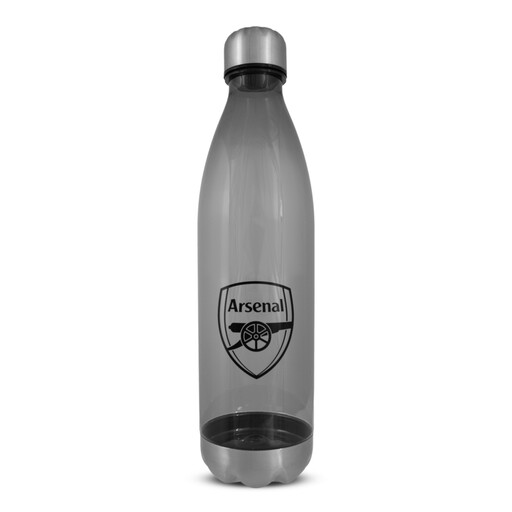
Why This Fits Their Persona: A straightforward 1-litre option for an Arsenal supporter wanting a reusable bottle for school, work, the gym or travel without adding insulation-related weight.
Its clear construction makes the remaining water visible, while the stated guidance clearly limits use to cold and room-temperature drinks.
1-litre capacity; lightweight plastic construction; officially licensed club graphics.
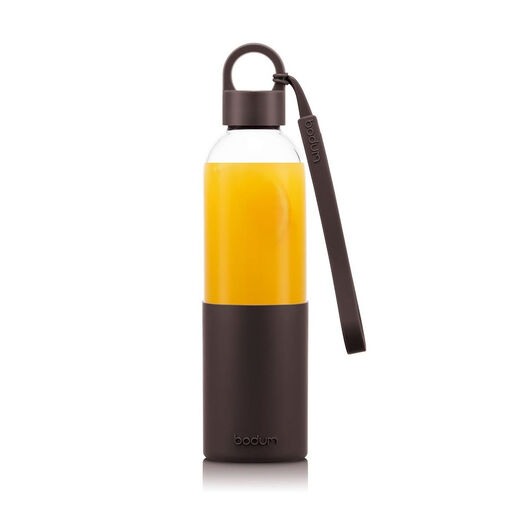
Why This Fits Their Persona: Suitable for commuters and office users who prefer a compact glass bottle and want to monitor their drink without choosing a large sports format.
The product specifies a screw cap with a silicone gasket and includes care guidance for the removable silicone sleeve.
0.5-litre borosilicate glass; removable silicone sleeve; carrying strap; dishwasher-safe bottle and components.
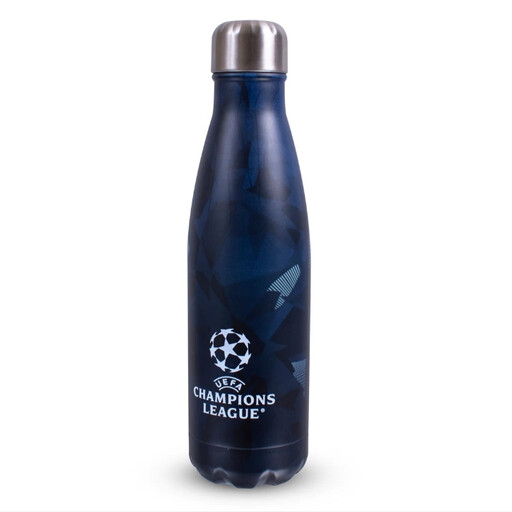
Why This Fits Their Persona: A practical match for commuters, gym users and outdoor shoppers who want hot or cold drink insulation in a portable 500ml format.
The stated double-wall insulation, screw cap and care warnings provide clearer guidance than a generic temperature-retention label.
304 stainless steel; double-wall vacuum insulation; stated hot retention up to 12 hours and cold retention up to 24 hours.
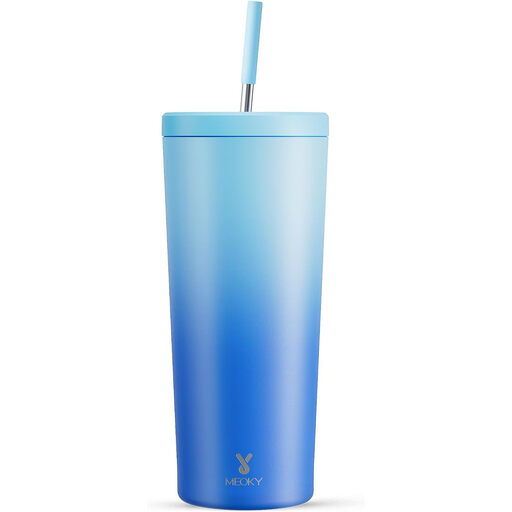
Why This Fits Their Persona: Its tapered shape is intended to fit most car cup holders, making it useful for driving, commuting and desk-based routines.
The listing distinguishes between using the straw and achieving a fully leakproof seal, advising removal of the straw for transport.
24oz capacity; stainless steel vacuum insulation; tapered base; non-slip base; BPA-free materials.
We have compiled a complete, real-time list of products that fully satisfy these strict selection criteria and UK safety regulations.
They can be practical for work, school, commuting and exercise because they can be refilled instead of repeatedly purchasing single-use drinks. The value depends on durability, cleaning effort and whether the capacity suits your routine. A bottle that is easy to wash and carry is more likely to remain useful.
There is no universal lifespan. It depends on material, frequency of use, impacts and maintenance. Replace plastic or silicone parts if they become cracked, warped or difficult to clean. Glass bottles should not be used after chips or cracks appear. For insulated bottles, inspect the lid seal and exterior as well as the bottle body.
For most gym sessions, cold or room-temperature water is suitable. Choose a size that fits your kit bag and a lid that can be opened securely between exercises. If selecting an insulated tumbler or sports water bottle, check whether the manufacturer allows hot drinks, carbonated beverages or dishwasher cleaning before use.