
24/7 Customer Support

Free returns

Same-day & Next-day Delivery

Quality Guaranteed

Unlock Your Welcome Offers: FREE Delivery | Up to 80% OFF | Free 30-day JoyPlus trial
Download the APP
Choosing among reusable water bottles can seem straightforward until a lid leaks inside your bag, the bottle does not fit your car’s cup holder or cleaning becomes a daily chore. Marketing often focuses on colours, slogans and impressive capacity figures, while the details that affect everyday use receive less attention.
As the Joybuy Product Recommendation Officer, I filter the practical information so you can compare bottles based on construction, dimensions, maintenance and intended use rather than presentation alone.
A leak-proof water bottle depends on the cap being properly closed, seals remaining in good condition and the bottle being used as intended. Straw lids, spouts and screw caps each have different cleaning and transport requirements. Carbonated drinks can also create pressure, so many bottles are not suitable for fizzy beverages.
Before buying, check whether the lid has a silicone seal, how it closes and whether the manufacturer gives specific transport instructions.
A 1 litre water bottle may reduce refilling during a long day, but it can be tall or wide. Large bottles may not fit standard car cup holders, school-bag side pockets or smaller gym compartments. Conversely, a 500 ml or 532 ml bottle may be easier to carry but require more frequent refills.
Look for both the capacity and measurements. A 40 oz bottle, for example, holds approximately 1,183 ml but is specifically listed as unsuitable for standard car cup holders.
An insulated stainless steel water bottle can help retain drink temperature, but double-wall construction often means hand washing is recommended. Lids may contain several parts that need rinsing and drying. Glass water bottles can be dishwasher-safe, but they still require care because the body can break if cracked or exposed to sudden temperature changes.
A bottle that is difficult to clean may be less suitable for daily use, even if its insulation or appearance is appealing.
Match the bottle to your routine:
Also check weight. Stainless steel offers a robust feel but can be heavier than plastic, while glass may be easy to clean but needs more careful handling.
A BPA-free water bottle may be made from stainless steel, plastic, silicone or glass. These materials suit different routines:
Always follow the product’s safety instructions. Do not use bottles for hot liquids unless the product specifically permits this.
A water bottle with straw supports easy sipping during exercise or commuting, while a spout can be more convenient for pouring. A water bottle with carry handle is useful for gym bags, outdoor activities and larger capacities.
Check whether the bottle or lid is dishwasher-safe. Some products require hand washing and components should be dried fully before storage. This helps reduce lingering odours and makes it easier to inspect seals for damage.
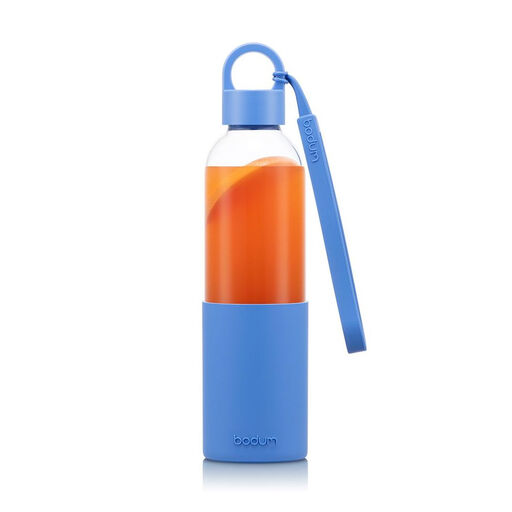
Why This Fits Their Persona: Its 0.5-litre capacity and 368 g weight suit commuters, students and shoppers wanting a manageable everyday bottle.
The dimensions and capacity are clearly stated, while the screw cap uses a silicone gasket to help prevent spills when correctly closed.
Borosilicate glass, removable silicone base, carry strap and dishwasher-safe bottle body.
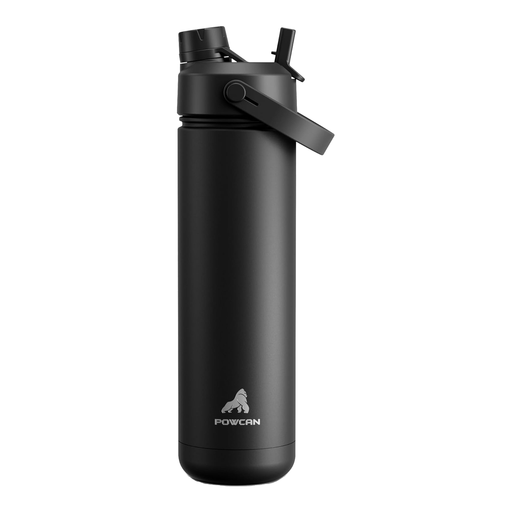
Why This Fits Their Persona: The 769 ml insulated stainless steel format suits workdays, gym sessions and commutes where temperature retention matters.
It specifies the 2-in-1 lid, capacity, dimensions and hand-washing requirements rather than relying only on a leak-proof label.
BPA-free 18/8 stainless steel, double-wall vacuum insulation, carry handle and straw-or-spout lid.
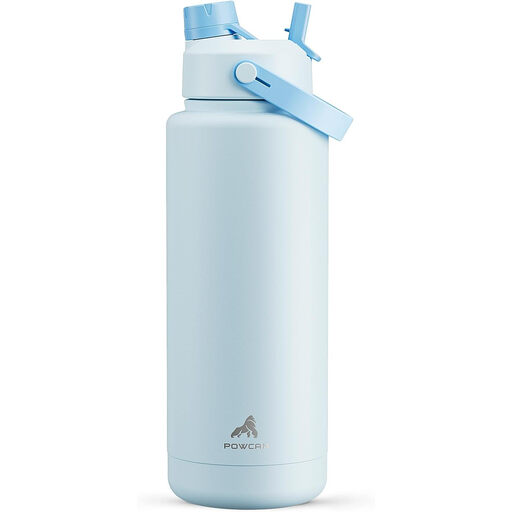
Why This Fits Their Persona: Its 1,183 ml capacity is suited to long gym sessions, outdoor sport, office days and travel when frequent refilling is inconvenient.
The listing states that it does not fit standard car cup holders, helping buyers avoid an inconvenient size mismatch.
Double-wall vacuum insulation, 2-in-1 straw and spout lid, carry handle and stated cold or warm retention periods.
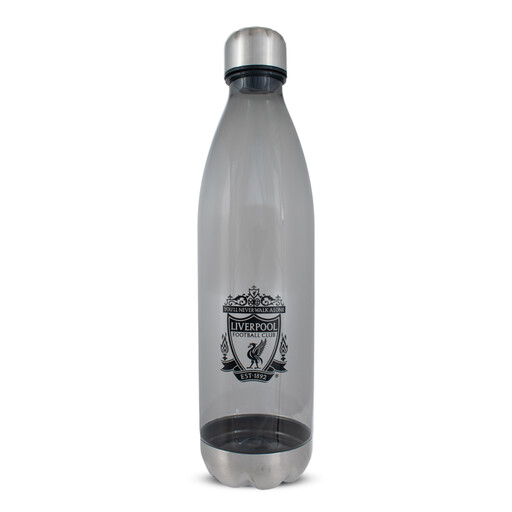
Why This Fits Their Persona: A lightweight 1-litre football club water bottle works for supporters using it at school, work, training or match days.
The clear construction lets you see the remaining drink and the product instructions specify cold or room-temperature beverages.
Officially licensed Liverpool design, durable plastic construction, reusable format and screw-top lid.
We have compiled a complete, real-time list of products that fully satisfy these strict selection criteria and UK safety regulations.
The upfront cost is higher than a single disposable bottle, but a reusable bottle can be refilled repeatedly. Your overall saving depends on the purchase price, how often you use it and access to drinking water. Cleaning supplies and replacement lids or seals may also form part of the long-term cost.
Wash it after each day of use, particularly if it contains anything other than plain water. Rinse removable lid components and allow the bottle to dry fully with the cap off. Follow the product instructions: some insulated stainless steel bottles require hand washing, while certain glass models and lids may be dishwasher-safe.
A 500–769 ml bottle is generally easier to carry on public transport and in a work or university bag. Choose a 1 litre water bottle for longer days, gym sessions or outdoor activities, but confirm its height and width first. For car travel, check whether the base fits your vehicle’s cup holder rather than relying on capacity alone.