
24/7 Customer Support

Free returns

Same-day & Next-day Delivery

Quality Guaranteed

Unlock Your Welcome Offers: FREE Delivery | Up to 80% OFF | Free 30-day JoyPlus trial
Download the APP
Buying reusable water bottles and tumblers should be straightforward, but product pages often focus on attractive colours, large capacity and ambitious temperature claims while leaving practical details unclear. A bottle that looks suitable online may be awkward in a car, difficult to clean or unsuitable for hot drinks.
This guide focuses on the details that affect everyday use in the UK, from commuting and office hydration to gym sessions, outdoor trips and matchdays.
A lid may resist leaks only when fully closed, upright or used without a straw. For example, some straw tumblers are designed to be leak-resistant with the straw removed, but not when the drinking opening is open inside a bag.
Before buying, check:
A leak-proof water bottle should still be checked for specific usage conditions rather than judged by the label alone.
A large capacity sounds convenient, but two litres of water weighs roughly two kilograms before adding the container. A large capacity water jug may work well at a desk or in a gym bag, yet be impractical for carrying on public transport.
Also measure your preferred storage space. A bottle may fit a backpack pocket but fail to fit a bicycle cage, car cup holder or office refrigerator shelf.
Vacuum insulation can slow temperature change, but results depend on the starting temperature, lid design, ambient conditions and how often the lid is opened. “Keeps cold for 24 hours” should be understood as a stated product specification, not a promise that every drink will remain at the same temperature in all circumstances.
Check whether the product is suitable for hot drinks. Some models specifically warn against hot liquids, microwaves or carbonated beverages.
For short commutes or desk use, around 500–750ml may provide a practical balance between refills and portability. A 1-litre sports water bottle suits longer days, workouts and matchdays. Larger 2.5-litre containers are more appropriate when you want fewer refills at the gym, office or during outdoor activities.
Look for:
A reusable hydration bottle should fit your routine rather than simply offer the largest stated volume.
Common options include stainless steel, plastic and recycled plastic. 18/8 food-grade stainless steel is used in some insulated tumblers and is valued for its resistance to rust and odour transfer. Plastic containers are usually lighter, which can be useful for sports and travel.
For plastic drinkware, check whether the listing states BPA-free and follow the supplied care instructions. BPA-free does not automatically mean a product is suitable for boiling liquids, dishwashers or microwave use. Always follow the product warning and care label.
A straw, narrow neck or multi-part lid can make cleaning more demanding. Residue may collect around silicone seals and drinking openings, so removable components are useful. Hand-wash-only products may help preserve finishes and insulation, but they require more time than dishwasher-safe alternatives.
Before choosing, consider whether you are willing to clean:
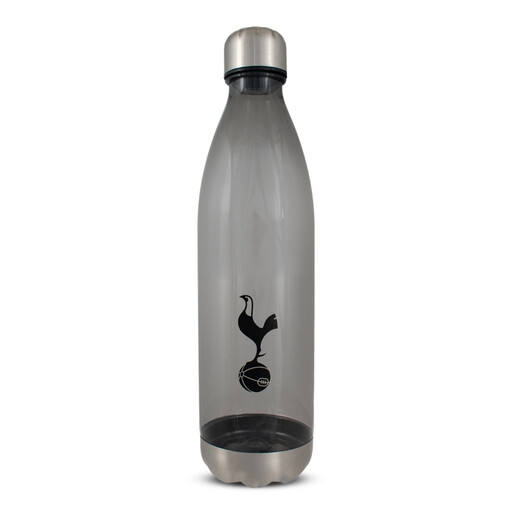
Why This Fits Their Persona: A lightweight 1-litre option for everyday hydration at work, school, the gym or on matchday, particularly for Tottenham supporters seeking practical club merchandise.
Its clear construction makes the remaining water visible, while the screw-top lid gives a simple closure to check before placing it in a bag.
1-litre capacity; lightweight reusable plastic construction; clear body for monitoring fluid levels.
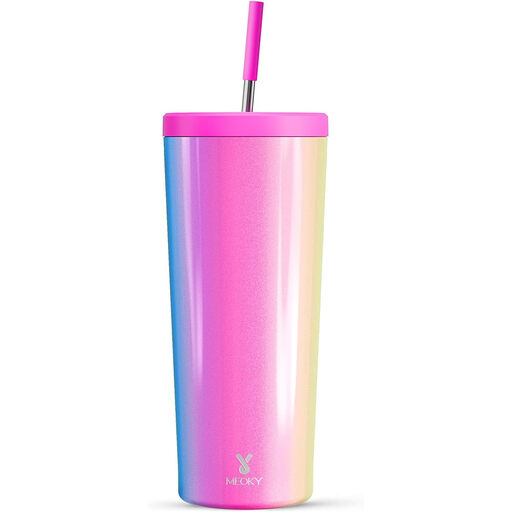
Why This Fits Their Persona: A stainless steel travel tumbler for commuters and office workers who want cold-drink insulation, a straw and a car-friendly shape.
The tapered base is designed for car cup holders, and the listing states that the lid is fully leak-proof when the straw is removed.
24oz double-wall vacuum insulation; 18/8 stainless steel; BPA-free materials; non-slip base.
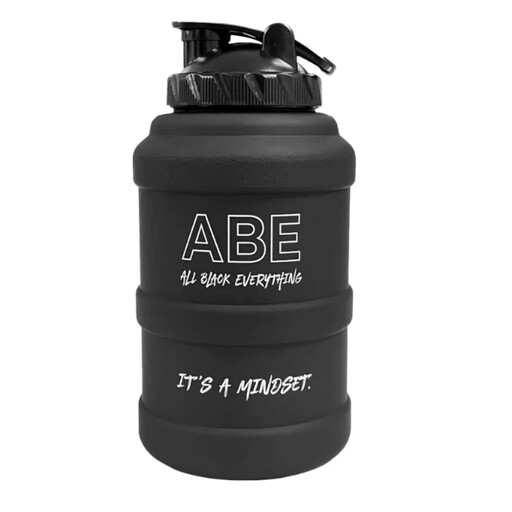
Why This Fits Their Persona: Its 2.5-litre capacity suits gym-goers, athletes, travellers and office workers who prefer fewer refills during a long day.
The separate drinking opening avoids repeatedly removing the main cap, while the wide spout supports filling with water or ice and makes cleaning easier.
2.5-litre capacity; BPA-free PETG plastic; carry handle; separate drinking spout; screw-cap closure.
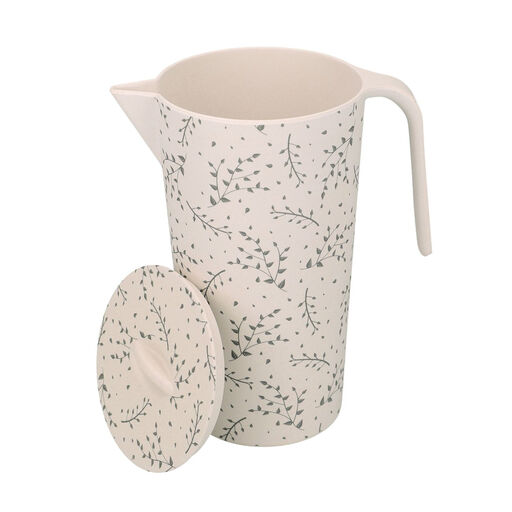
Why This Fits Their Persona: A reusable jug for picnics, garden gatherings, barbecues and family events where a larger serving container is more useful than an individual bottle.
The stated recycled-plastic construction provides clear material information instead of relying only on vague environmental wording.
1.6-litre capacity; recycled plastic construction; supplied lid; suitable for serving drinks outdoors.
We have compiled a complete, real-time list of products that fully meet these strict selection criteria and UK safety regulations.
They can reduce reliance on disposable bottles and provide a container suited to a specific routine. The value depends on how regularly you use the product, its durability, cleaning requirements and whether the capacity matches your daily needs.
There is no universal lifespan. A well-maintained bottle may remain usable for a long period, but cracks, damaged seals, persistent odours, peeling interiors or deformed lids are reasons to replace it. Follow the care instructions and discontinue use if the container becomes damaged.
They do not require electricity, so there is no ongoing energy cost for maintaining temperature. The main running costs are water or drinks, cleaning supplies and possible replacement parts such as straws or seals. Hand-washing also takes more time than using a dishwasher-safe bottle.