
24/7 Customer Support

Free returns

Same-day & Next-day Delivery

Quality Guaranteed

Unlock Your Welcome Offers: FREE Delivery | Up to 80% OFF | Free 30-day JoyPlus trial
Download the APP
Reusable water bottles can reduce reliance on single-use drinks, but choosing the wrong design may leave you with leaks, difficult cleaning or a bottle that is too heavy for everyday use. Commuters, gym users, students, office workers and hikers all need slightly different features.
Before buying, look beyond colour and promotional temperature claims. The most useful questions are practical: will it fit your bag or car cup holder, can every part be cleaned properly, and is the capacity suitable for your routine?
A 40oz water bottle holds approximately 1,183ml, which can be useful for long gym sessions, travel or outdoor activities. However, a large bottle may be heavy when full and may not fit standard car cup holders. A 500ml water bottle is easier to carry on a commute or to school, but may require more frequent refills.
Consider where the bottle will be stored as well as how much you want to drink. Measure your bag pocket, bike holder or office storage space before ordering.
Leak resistance depends on the cap, silicone gasket, locking mechanism and how securely the lid is closed. A straw lid may be convenient during exercise, while a screw cap can offer a simpler seal for carrying in a backpack.
Check the product instructions for warnings about carbonated drinks, hot liquids and transport. For example, some insulated bottles should not be used with fizzy drinks because pressure may build inside the container.
A dishwasher-safe water bottle may still have components that require hand washing. Straws, silicone sleeves and narrow lid channels can retain residue if they are not separated and dried thoroughly.
Look for a wide mouth, removable parts and clear care guidance. A product that is easy to clean is more likely to remain pleasant to use over time.
A glass water bottle can be suitable for people who prefer a neutral-tasting container and a transparent design. Borosilicate glass is commonly used for its resistance to staining and taste transfer, but it remains breakable and should be handled carefully.
A stainless steel water bottle is generally suited to active use, commuting and outdoor trips. Double-wall vacuum construction can help maintain drink temperature and reduce exterior condensation. Check whether the bottle is 18/8 stainless steel, whether it is BPA-free, and whether the body is hand-wash only.
BPA-free plastic can offer a lightweight, shatter-resistant option. It may be particularly practical for a family water jug, refrigerator storage or situations where glass is unsuitable. “BPA-free” describes the absence of bisphenol A in the stated materials; it does not automatically mean that every part is dishwasher-safe.
An insulated water bottle or insulated tumbler can help keep drinks cold or warm for longer than a single-wall container. Temperature retention varies according to the starting temperature, fill level, lid design and surrounding conditions.
Treat claims such as “cold for 24 hours” as a product specification rather than a guarantee for every situation. A wide opening may make adding ice easier, while a narrow opening can be more comfortable for sipping and may reduce spills.
For a leakproof water bottle, inspect the closure type and included gasket. A carry handle or strap can make a difference on public transport, at the gym or on a walking route.
Also check the exact dimensions. Tall 500ml bottles can be awkward in shallow bags, while large sports bottles may be unsuitable for cup holders. If dishwasher use matters, confirm whether it applies to the whole bottle or only the lid.
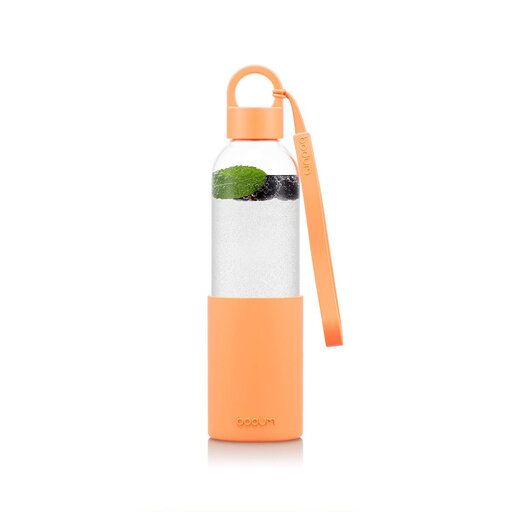
Why This Fits Their Persona: The 0.5-litre format is manageable for commuting, school, office use and short gym sessions without the bulk of a large sports bottle.
The listing specifies a leakproof screw cap with silicone gasket and gives clear care instructions, including hand washing the silicone sleeve.
Borosilicate glass body, removable silicone base, carrying strap and dishwasher-safe bottle components.
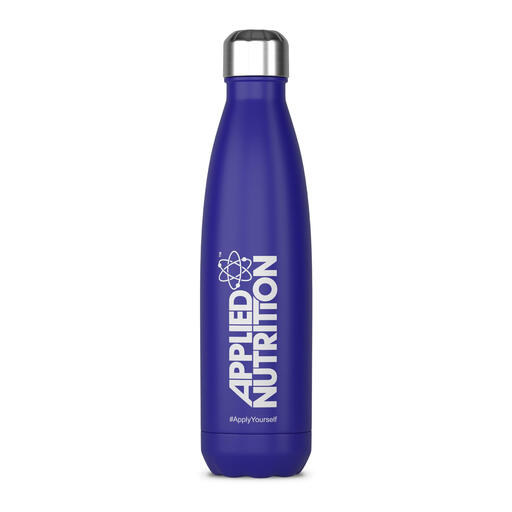
Why This Fits Their Persona: This compact flask suits office workers, commuters and gym users who want an insulated 500ml water bottle for daily carrying.
Its stated specifications identify the capacity, stainless steel construction and leakproof lid, rather than relying only on broad lifestyle wording.
Stainless steel body, BPA-free specification, 500ml capacity and insulation claims of up to 24 hours cold and 12 hours hot.
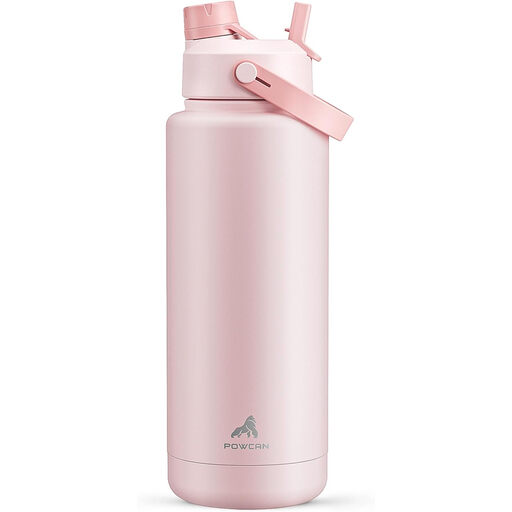
Why This Fits Their Persona: The 40oz capacity is designed for users who need substantial hydration during sports, travel, outdoor activities or a long working day.
The listing clearly notes that it does not fit standard car cup holders and that the bottle should be hand washed, helping buyers plan around its limitations.
18/8 stainless steel, double-wall vacuum insulation, 2-in-1 straw and chug lid, BPA-free materials and dishwasher-safe lid.
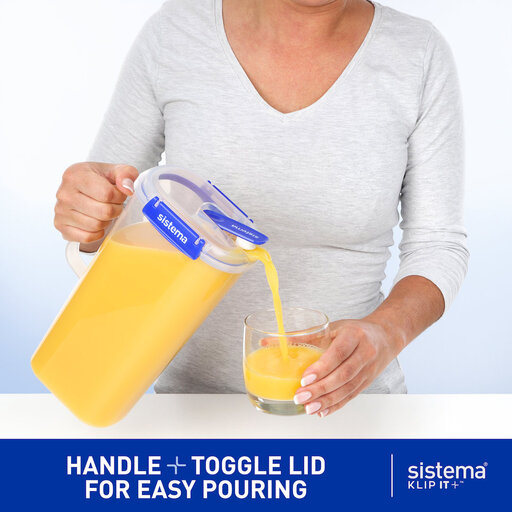
Why This Fits Their Persona: The 2-litre capacity is practical for chilled drinks at home, shared meals, family use and refrigerator storage.
Its flexible seal, locking clips and controlled pouring spout address common spill and storage concerns.
BPA-free plastic, shatter-resistant construction, integrated handle and top-rack dishwasher suitability.
We have compiled a complete, real-time list of products that fully satisfy these strict selection criteria and UK safety regulations.
They can be practical for regular commuting, work, exercise and travel because they are refillable and reduce the need to purchase single-use drinks. Value depends on durability, cleaning convenience and how often the bottle is used.
Choose around 500ml for a lightweight daily bottle and consider 750ml to 1.2 litres for gym sessions, hiking or long periods away from a refill point. Check the filled weight and storage dimensions before selecting a larger bottle.
Lifespan depends on material, impact, cleaning and replacement-part availability. Stainless steel may suit frequent active use, while glass needs careful handling. Replace the bottle or lid if the seal no longer closes securely, the body is damaged or persistent odour remains after cleaning.