
24/7 全天候客户支持

免费退货

当日/次日达

品质保障

开启新人专享福利: 全场免邮 | 低至 2 折 | 免费试用 30 天 JoyPlus 会员
下载 Joybuy
Reusable water bottles can reduce reliance on disposable drinks, but the wrong design may quickly become inconvenient. A lid that drips into a work bag, a bottle that is too wide for a car holder, or insulation that does not match your routine can turn an apparently good purchase into wasted money.
This guide from the Joybuy Product Recommendation Officer focuses on the details that matter for UK commutes, school days, gym sessions, matchdays, travel and packed lunches.
A product description may use terms such as leakproof or spill-resistant, but the lid design still matters. Screw-top lids usually need to be tightened correctly, while straw lids may only be fully leakproof when the straw is removed. Check whether the claim applies during upright carrying only, and whether the seal requires regular cleaning.
Insulated water bottles and reusable tumblers with straws can keep drinks cold or hot for extended periods, but performance varies with the starting temperature, how often the lid is opened and the surrounding conditions. A bottle advertised for cold drinks may not be suitable for hot beverages. Always read the product’s use warnings.
Narrow-neck bottles can be difficult to clean thoroughly. Food jars and soup thermos containers may retain odours if food residue remains around the lid seal. A wide mouth, removable components and a suitable bottle brush can be more useful than decorative features. Hand-wash instructions should also be considered before buying, particularly if you rely on a dishwasher.
Choose capacity according to how often you can refill. 1-litre water bottles suit long school, office or gym days, while a 500ml bottle can be easier to carry on public transport or during exercise.
Before buying, check:
Large bottles reduce refills but may be awkward in smaller bags. A compact travel drink bottle may be more practical for commuting.
304 stainless steel is commonly used for insulated drinkware and offers a durable, reusable construction. Some products use 316 stainless steel, while plastic bottles can be lighter and easier to carry. The material alone does not determine whether a bottle is suitable for hot drinks, acidic beverages or carbonated liquids.
Look for clear instructions covering:
Do not use a container for purposes excluded by its instructions. For example, some vacuum bottles warn against carbonated drinks because pressure may build inside.
A vacuum-insulated bottle usually has double-wall construction to reduce heat transfer. Product specifications may state a retention period, but this is not a guarantee of identical results in every situation. Pre-heating or pre-chilling can help prepare some food jars for use.
For leakproof drink bottles, examine whether the lid seals with a silicone gasket and whether it can be fully closed while drinking. A straw tumbler may be convenient for cold drinks, but it may not be intended for hot liquids. For packed meals, a wide-mouth thermal food jar or soup thermos is easier to fill and eat from than a narrow bottle.
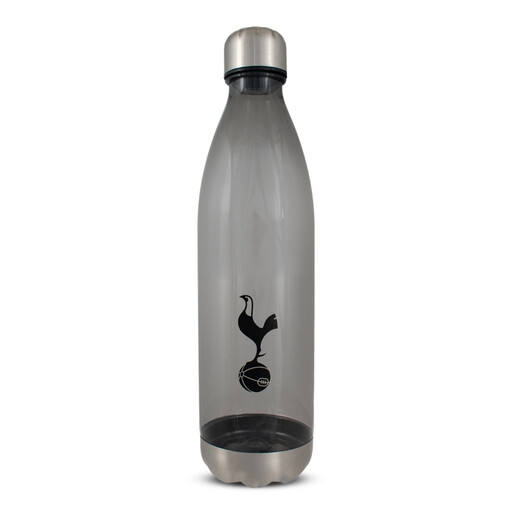
Why This Fits Their Persona: The 1-litre capacity suits school, work, gym and matchday use, while the lightweight plastic construction is straightforward for everyday carrying. Official Spurs branding also makes it suitable for supporters seeking practical football merchandise.
The clear body makes the remaining water visible, and the screw-top lid is designed to help prevent spills when properly closed. It is not specified for carbonated drinks or direct heat.
1-litre capacity; lightweight reusable plastic; clear design; officially licensed club graphics.
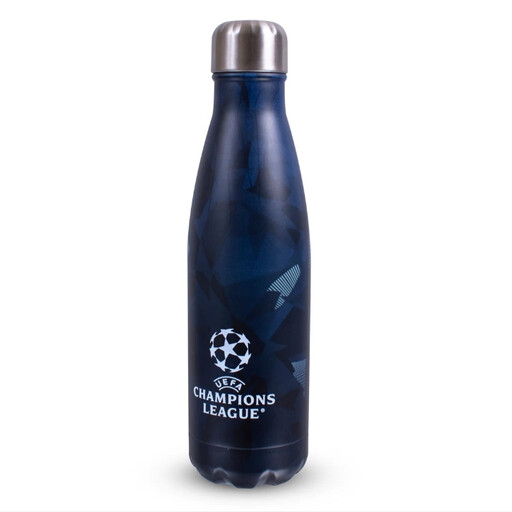
Why This Fits Their Persona: This compact option suits commuters, sports users and football supporters who want insulated stainless steel drinkware in a manageable size.
Its stated double-wall vacuum insulation and screw cap address temperature loss and transport spills, provided the cap is correctly fitted.
304 stainless steel; 500ml capacity; stated hot and cold retention figures; sweat-resistant exterior.
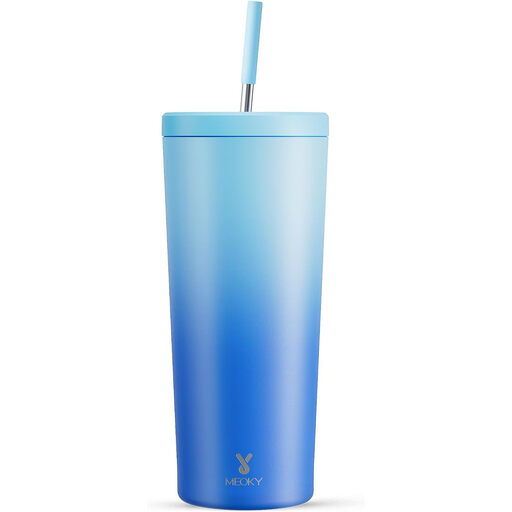
Why This Fits Their Persona: The tapered base is designed for car cup holders, making this reusable tumbler with straw suitable for driving, office desks and travel with cold beverages.
The product information distinguishes between straw use and fully leakproof carrying: the straw should be removed when relying on the sealed lid.
18/8 stainless steel; BPA-free components; non-slip base; stated cold retention of up to 24 hours.

Why This Fits Their Persona: The 1.4-litre format is intended for substantial packed meals, shared food or long outdoor days when a smaller lunch container would require refilling.
The wide mouth supports filling, eating and cleaning, while the tight-sealing lid is designed for transport. The container should not be inverted or tipped.
304 stainless steel; vacuum insulation; 1.4-litre capacity; wide-mouth design; stated 4–6-hour thermal retention.
We have compiled a complete, real-time list of products that fully satisfy these strict selection criteria and UK safety regulations.
They can be practical for work, education, commuting and exercise because they can be refilled rather than replaced after one drink. The value depends on choosing a size, material and cleaning routine that fits your daily use.
Wash it after every day of use, particularly when it contains anything other than plain water. Straws, lids and seals need separate attention because moisture and residue can collect in hidden areas.
Double-wall vacuum-insulated stainless steel water bottles are designed to reduce heat transfer, but actual retention depends on the drink’s starting temperature, ambient conditions and how frequently the bottle is opened. Check the stated specifications and use the bottle only for the temperatures permitted in its instructions.