
24/7 Customer Support

Free returns

Same-day & Next-day Delivery

Quality Guaranteed

Unlock Your Welcome Offers: FREE Delivery | Up to 80% OFF | Free 30-day JoyPlus trial
Download the APP
Buying reusable water bottles and travel mugs can look straightforward until you compare capacities, lids, materials and cleaning instructions. A bottle that works well on a desk may leak in a rucksack, while a large hydration jug may be impractical on a crowded train.
The main challenge is separating useful features from persuasive marketing. Before choosing, consider how you will carry, fill, clean and store the drinkware in everyday UK conditions.
A lid may resist leaks when upright but behave differently when placed sideways in a gym bag. Some straw tumblers are only fully leak-resistant when the straw is removed or a separate cover is closed. Check the manufacturer’s exact usage instructions rather than relying only on a product title.
A 2.5-litre jug reduces the need for refills but can be heavy when full. Conversely, a 500ml bottle may fit neatly into a handbag or work bag but require several refills during a long day. Think about access to water at your workplace, gym, university or travel destination.
Vacuum insulation helps maintain the temperature of a drink, but it can increase weight and may require hand washing. Some insulated tumblers are designed specifically for cold drinks, while thermal travel mugs may be intended for hot beverages. Always check temperature warnings, lid design and care instructions.
Stainless steel water bottles are commonly selected for durability and resistance to odours or flavour transfer. Look for descriptions such as 18/8 or 304 stainless steel and check whether the cap and seals are made from food-contact materials.
For lighter everyday carrying, plastic and aluminium bottles may be suitable. A BPA-free bottle can be preferable when the manufacturer clearly identifies the relevant component, such as the bottle body or lid. Do not assume that every part of a product has the same material specification.
Glass water bottles can offer a neutral-tasting drinking surface and are often easy to inspect for cleanliness. Borosilicate glass is used in several reusable designs, but it remains breakable. A silicone sleeve provides some protection, not a guarantee against damage.
Use the following practical guide:
Also check the base diameter. A bottle can fit in a backpack but fail to sit securely in a car cup holder. A tapered tumbler is often more convenient for driving, while a wide-mouth bottle is easier to fill with ice.
Leakproof water bottles usually rely on a screw cap, silicone gasket or locking mechanism. Inspect whether seals are removable for cleaning and whether replacement parts are available.
Bottles with straws support quick sipping during exercise or commuting, but the straw and mouthpiece need regular cleaning. A wide opening makes it easier to add ice and use a bottle brush. Dishwasher compatibility can also reduce maintenance, although some vacuum-insulated products require hand washing.
For sport, look for a secure cap, a comfortable grip and a shape that fits a kit bag. Reusable sports bottles with a quick-access spout can be more convenient than a screw cap during training.
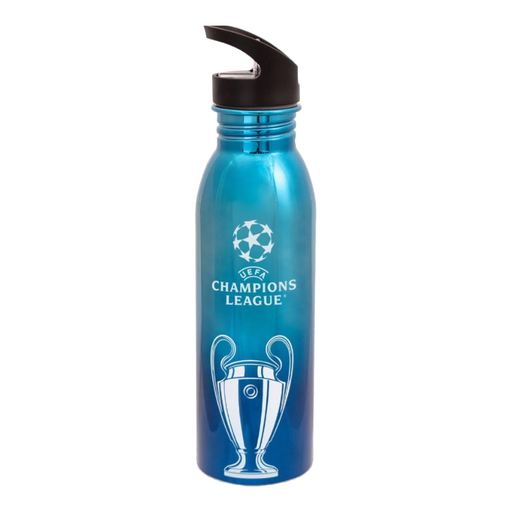
Why This Fits Their Persona: Its 700ml capacity suits daily use at work, school, the gym or while travelling, without the bulk of a large hydration jug.
The stainless steel construction provides a clearly stated material choice, while the moderate capacity avoids paying for a size that may be awkward to carry.
700ml capacity; stainless steel body; officially licensed football design.
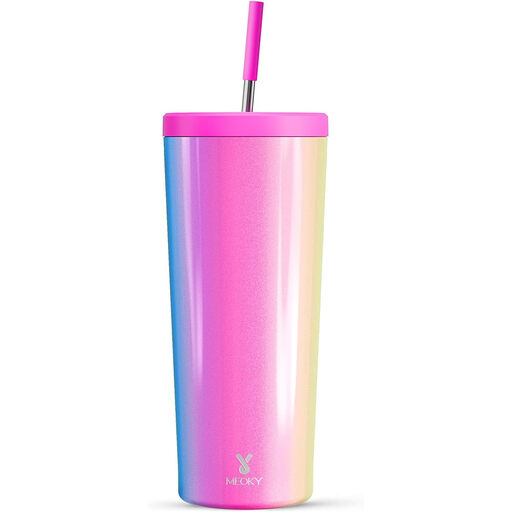
Why This Fits Their Persona: This is suited to commuters and office workers who want a cold-drink tumbler with a straw and a base designed for car cup holders.
The listing explains that the lid is fully leakproof when the straw is removed, making the limitation clear rather than hiding it behind a general leakproof label.
24oz capacity; 18/8 food-grade stainless steel; vacuum insulation; non-slip base and BPA-free specification.
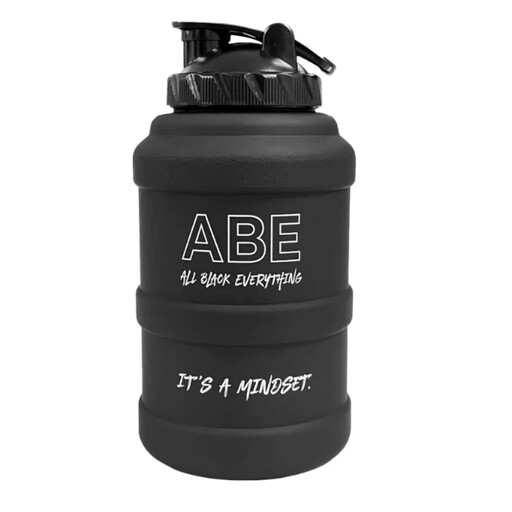
Why This Fits Their Persona: The large capacity is practical for gym-goers, athletes, outdoor users and office workers who want fewer refills across a long day.
Its size is stated clearly, and the separate drinking opening, carry handle and wide filling spout address the practical drawbacks of larger hydration jugs.
2.5-litre capacity; separate drinking spout; ergonomic handle; BPA-free PETG plastic specification.
We have compiled a complete, real-time list of products that fully satisfy these strict selection criteria and UK safety regulations.
A thermal travel mug can be more suitable than a straw tumbler if you regularly carry coffee or tea. Check whether the lid is intended for hot liquids and whether the opening allows controlled sipping.
For fans, football water bottles combine everyday hydration with club or tournament graphics. Capacity and lid security should still take priority over branding, particularly when the bottle will be carried with electronics or clothing.
A 500ml glass bottle, such as the Bodum MELIOR range, may suit desk use or short journeys. Its borosilicate glass body, silicone protection and screw cap are practical features, but it should not be used if cracked or chipped.
They can reduce the need for individually purchased drinks, but the overall value depends on the purchase price, cleaning routine and how often the bottle is used. A durable bottle that fits your daily habits is more likely to provide worthwhile use than one bought only for its appearance.
There is no universal lifespan. Inspect the body, lid, straw and silicone seals regularly. Replace a product if it is cracked, chipped, badly dented, deformed or no longer seals securely. Seals and straws may show wear before the main container does.
No. Check the product instructions first. Some tumblers are specified for cold drinks only, while others are designed for hot and cold beverages. Hot liquid can create a scalding risk, particularly when used with a straw, and insulated containers should not be placed in a microwave.