
24/7 Customer Support

Free returns

Same-day & Next-day Delivery

Quality Guaranteed

Unlock Your Welcome Offers: FREE Delivery | Up to 80% OFF | Free 30-day JoyPlus trial
Download the APP
A reusable bottle can look like a simple purchase, but the wrong design may become inconvenient within weeks. A lid that is difficult to clean, a capacity that does not suit your commute or a bottle that does not fit your bag can quickly turn a well-intentioned purchase into wasted money.
The most useful approach is to match the bottle to your routine rather than choosing based on colour or bold marketing language. Whether you need an insulated water bottle for long journeys, a 1 litre water bottle for the gym or a compact glass water bottle for your desk, check the practical details first.
“Leakproof” can mean different things depending on the lid configuration. Some bottles are more resistant to spills when upright, while others are designed to remain sealed during transport. A straw opening, flip mechanism or poorly fitted silicone gasket can create additional points where liquid may escape.
Before buying, check:
For example, the Meoky insulated tumbler is described as leakproof when the straw is removed and the lid is securely fastened. That distinction matters if you plan to carry it in a work bag.
A bottle may have a durable body but still be awkward to maintain. Narrow openings, fixed straws and multiple lid components can allow residue to build up if they are not washed thoroughly.
Check whether the bottle is:
Hand-washing can help preserve finishes and vacuum insulation, but it requires more time. If convenience is important, a dishwasher-safe glass bottle may be more suitable than a large insulated tumbler with several parts.
A large bottle reduces the need for refilling, but a full 1 litre bottle adds roughly 1 kg to its contents alone. It may be useful for a gym bag, school day or outdoor activity, yet less convenient for crowded train commutes.
Similarly, a 500 ml bottle can be easier to carry but may require refilling during a long day. Consider your access to drinking water, bag size, car cup-holder dimensions and how far you usually travel between refills.
A stainless steel water bottle is commonly chosen for its robust feel and compatibility with insulated double-wall construction. Food-grade 304 or 18/8 stainless steel is specified for some products, including the UEFA Champions League 500 ml bottle and Meoky tumbler.
A glass water bottle can be appealing if you prefer a neutral-tasting material that does not readily retain flavours. Borosilicate glass is used in the Bodum MELIOR range, with a removable silicone sleeve or base for additional protection. Glass can still break if dropped, so inspect it regularly and stop using it if it becomes chipped or cracked.
Durable plastic bottles are often lighter and practical for sports or school use. The Hy-Pro football bottles use plastic construction and offer a clear body, making the remaining liquid easy to see. Always follow the care and safety guidance supplied with the product.
Double-wall vacuum insulation can help reduce heat transfer between the drink and the outside environment. Product performance depends on starting temperature, fill level, lid position and surrounding conditions, so published time figures should be treated as product specifications rather than a guarantee for every situation.
The UEFA Champions League stainless steel bottle is listed with a 500 ml capacity and stated retention figures of up to 12 hours for hot drinks and up to 24 hours for cold drinks. The Meoky 24 oz tumbler is specified for cold drinks and includes a straw and tapered base for car cup holders.
Do not microwave stainless steel bottles or tumblers. Take care with hot liquids, particularly where the lid, straw or silicone components have specific restrictions.
For many UK routines:
A BPA-free water bottle can be a useful material specification, but it does not automatically indicate that the product is suitable for hot liquids, dishwashers or carbonated drinks. Check the individual instructions rather than assuming all reusable bottles have the same use limits.
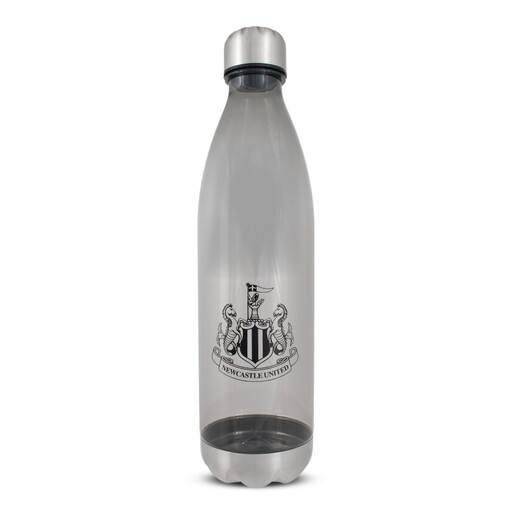
Why This Fits Their Persona: A lightweight 1-litre plastic bottle suits students, gym users and Newcastle supporters who want a straightforward everyday option for work, school or matchdays.
The clear body makes the remaining drink visible, while the screw-top design is less complicated than multi-part straw lids. Check that the lid is closed securely before placing it in a bag.
1-litre capacity, clear plastic construction and officially licensed Newcastle United graphics.
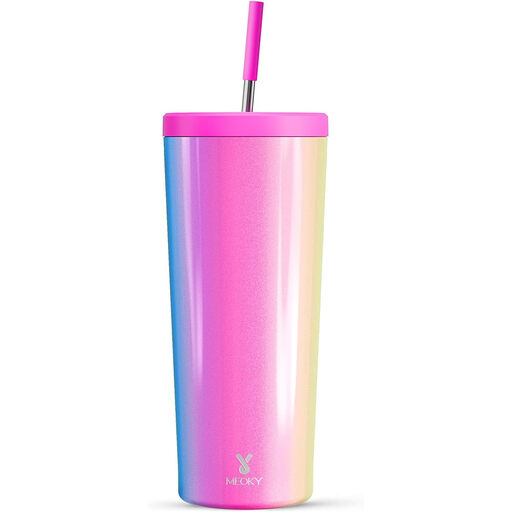
Why This Fits Their Persona: Commuters and drivers can use the tapered base in many car cup holders, while the vacuum-insulated stainless steel body is designed for cold drinks.
The product information distinguishes between using the straw and achieving a full seal. Hand-washing is specified, helping buyers plan for the extra cleaning routine.
18/8 stainless steel, BPA-free specification, non-slip base and stated cold-drink insulation of up to 24 hours.
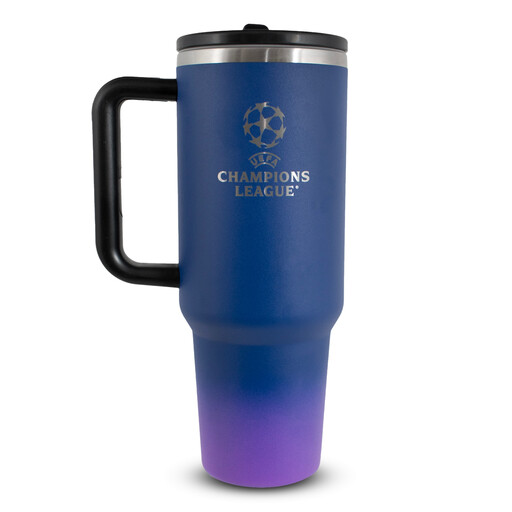
Why This Fits Their Persona: The large-format insulated jug is intended for users spending long periods at work, training, travelling or outdoor events, particularly football fans.
Its stated 40oz capacity and secure lid are clearly defined, so shoppers can compare size and transport needs before ordering. It should be hand-washed and not used with carbonated drinks.
Large capacity, double-wall insulation, ergonomic handle and officially licensed Champions League styling.
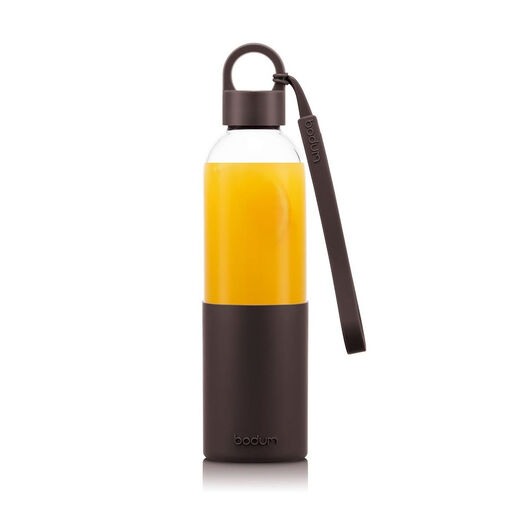
Why This Fits Their Persona: Desk users, commuters and environmentally conscious shoppers may prefer a compact glass bottle with a removable silicone sleeve and carrying strap.
The 0.5-litre capacity, glass material and care instructions are stated clearly. The sleeve offers limited protection only, so it should not be treated as unbreakable.
Borosilicate glass body, leakproof screw cap with silicone gasket and dishwasher-safe bottle components.
We have compiled a complete, real-time list of products that fully satisfy these strict selection criteria and UK safety regulations.
Rinse your reusable water bottles soon after use, particularly after drinks containing flavourings, milk or juice. Use warm soapy water and a suitable brush for narrow openings. Dry the bottle and lid separately to reduce trapped moisture.
Do not use a bottle outside its stated temperature range. Avoid microwaves with stainless steel, and do not pour boiling liquid into a cold glass bottle because sudden temperature changes can cause damage. Replace any bottle with a cracked body, damaged seal or lid that no longer closes securely.
For travel toiletry bottles, use products designed for cosmetics and liquids rather than transferring drinking water into them. A 50 ml refillable silicone set can be useful for shampoo, lotion and body wash, while a seven-piece pouch set may help organise several liquids for flights. Airline and airport requirements can change, so check the current rules for your route before packing.
The ongoing cost depends on the purchase price, tap-water access, cleaning products and how often you use the bottle. A durable bottle used regularly can reduce repeated purchases of single-use drinks, but it still needs proper cleaning and eventual replacement if damaged.
There is no universal lifespan. Plastic, stainless steel and glass bottles can last different lengths of time depending on drops, heat exposure, cleaning methods and seal wear. Inspect the body, cap and gasket regularly, and replace the bottle if it cracks, chips, develops a persistent odour or begins leaking.
A 500 ml bottle is usually easier to carry on public transport and fits many everyday bags. A 1 litre water bottle may suit longer journeys, office days or gym sessions where refilling is less convenient. Check the external dimensions as well as capacity, especially if you want a bottle that fits a car cup holder.