
24/7 全天候客户支持

免费退货

当日/次日达

品质保障

开启新人专享福利: 全场免邮 | 低至 2 折 | 免费试用 30 天 JoyPlus 会员
下载 Joybuy
A reusable bottle or tumbler can simplify commuting, gym visits and daily hydration, but attractive product pages do not always reveal the details that matter after purchase. A lid may resist spills only in a particular configuration, a large capacity can make a bottle too heavy for a work bag and a stylish material may require more careful handling than expected.
Before choosing reusable water bottles and travel tumblers, look beyond colour and promotional claims. Focus on how you will use the drinkware, whether it can be cleaned properly and how securely it travels.
Some lids reduce splashing while the bottle is upright but are not designed for being carried horizontally. Straws can also create an opening through which liquid escapes. Check whether the leakproof claim applies with the straw fitted, removed or both.
A practical leakproof water bottle should have a properly seated gasket, a securely threaded cap and a lid suited to the way you carry it. If it will be placed in a handbag or rucksack, test the closure over a sink before relying on it during a commute.
A 1.2-litre tumbler can reduce refilling during a long day, but it will take up more room in a car, office or gym bag. Conversely, a 240ml coffee thermal mug may suit a short walk but offer limited capacity for extended travel.
Also check the bottle’s external dimensions, not just its volume. A car cup holder bottle needs a compatible base diameter, while a tall bottle may not fit beneath an office water dispenser or inside a rucksack side pocket.
A vacuum insulated cup can retain heat for longer than expected. That may be useful for coffee, but it also increases the risk of scalding if the drink is consumed too soon. Some products with silicone straws are specifically intended for cold beverages.
Always follow the individual product instructions. Do not use drinkware in a microwave or oven unless the manufacturer explicitly permits it and inspect seals, straws and lids regularly for damage.
Match volume to your normal day:
For everyday hydration, a portable hydration bottle should be comfortable to carry when full. A handle, strap or tapered base can make a noticeable difference.
Stainless steel is commonly selected for durability and resistance to staining. An 18/8 food-grade stainless steel body, as specified for one of the Meoky tumblers below, is designed for regular drinkware use and is described as resistant to rust and flavour transfer.
A reusable glass water bottle can offer a neutral taste and a clear view of the contents. Borosilicate glass is used in the Bodum MELIOR bottles featured below, but it remains glass and should be handled carefully. A silicone sleeve can provide some protection, but it does not make the bottle unbreakable.
If plastic components are included, look for a clearly stated BPA-free drink bottle specification. Remember that BPA-free relates to the stated material composition; it does not remove the need to wash the product correctly.
Double-wall or vacuum insulation can help maintain drink temperature, but the product’s care instructions are equally important. Hand-wash-only designs may be less convenient for people who want to clean all components in a dishwasher.
Straws, silicone seals and removable lids need particular attention because residue can collect in narrow channels. Choose a tumbler that can be disassembled without difficulty and allow all parts to dry fully before reassembly.
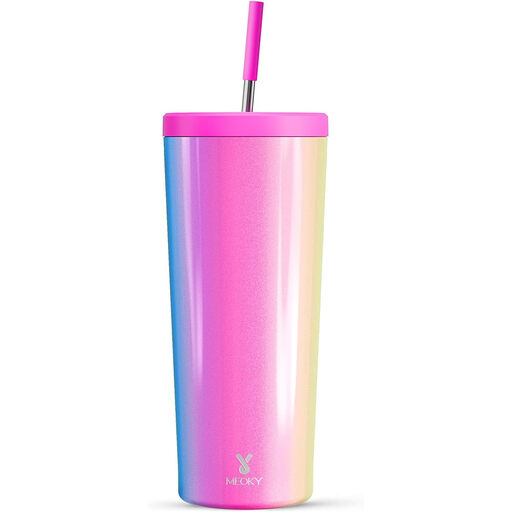
Why This Fits Their Persona: The 24oz capacity suits commuting, desk use and gym sessions, while the tapered shape is designed to fit most car cup holders. It is intended for cold drinks and includes a lid and straw.
The product information states that the lid is leakproof when the straw is removed, making the travel configuration clear. It also specifies hand washing and warns against hot drinks.
18/8 food-grade stainless steel, BPA-free materials, vacuum insulation and a non-slip base.
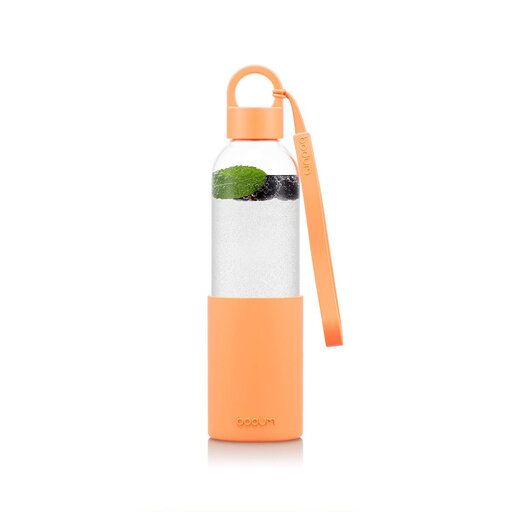
Why This Fits Their Persona: This 0.5-litre bottle is suited to office workers, commuters and shoppers who prefer a glass vessel with a neutral taste profile and a visible water level.
The removable silicone base, screw cap and silicone gasket address common concerns about staining, carrying and spills. The product information also clearly warns that it contains glass.
Borosilicate glass body, leakproof screw cap, carrying strap and dishwasher-safe bottle components.
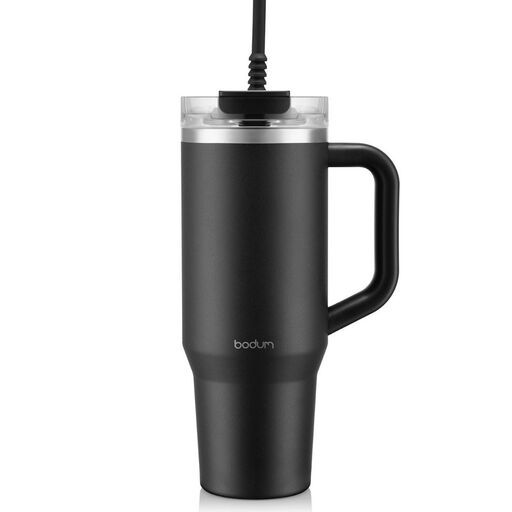
Why This Fits Their Persona: The high-capacity format is designed for long commutes, gym sessions, outdoor activities and days when frequent refilling is inconvenient. Its handle supports carrying despite the larger size.
The listing identifies the capacity, handle, straw and seal, and advises checking that the silicone components are correctly seated before transport. It also highlights the need for caution with hot drinks.
1.2-litre capacity, double-wall insulation, BPA-free stainless steel and dishwasher-safe cleaning.
For a car commute, prioritise a car cup holder bottle with a tapered base and a lid that can be secured before driving. For coffee, consider a stainless steel travel mug or a compact coffee thermal mug, but check whether it is intended for hot liquids and whether drinking through a straw is advised.
For gym use, a tumbler with straw can make frequent sipping convenient, while a screw-top reusable bottle may be easier to carry in a bag. Glass is suitable for users who value taste neutrality and visibility, but stainless steel may be more forgiving during outdoor activities.
Cleaning should influence the purchase as much as insulation. Dishwasher-safe parts can reduce daily effort, whereas hand-wash-only drinkware may need extra time around the lid and straw. Whichever style you choose, wash it before first use, dry removable components thoroughly and replace any damaged seal or cracked glass.
We have compiled a complete, real-time list of products that fully satisfy these strict selection criteria and UK safety regulations.
They can be practical for regular commuters, office workers, gym users and travellers because they reduce reliance on single-use drink containers. Value depends on durability, cleaning convenience and whether the capacity fits your routine. A product that is difficult to wash or too large to carry may be used less often.
There is no single lifespan for every design. Stainless steel bodies can remain usable for a long time when cared for correctly, while lids, silicone seals and straws may wear sooner. Glass bottles should be removed from use if chipped or cracked. Regularly inspect all components rather than judging condition by the bottle body alone.
The main ongoing costs are cleaning supplies, replacement straws or seals and, where applicable, dishwasher use. Hand washing may use less energy than a dishwasher cycle for one item, but the practical difference depends on your household routine. Choosing a design with accessible, replaceable or easy-to-clean parts can help reduce maintenance costs.