
24/7 Customer Support

Free returns

Same-day & Next-day Delivery

Quality Guaranteed

Unlock Your Welcome Offers: FREE Delivery | Up to 80% OFF | Free 30-day JoyPlus trial
Download the APP
A reusable bottle can be a practical everyday essential, but the wrong design may become inconvenient after only a few uses. A lid that loosens in a gym bag, a capacity that is too small for a long commute, or a material that is unsuitable for hot drinks can quickly turn an apparently good purchase into wasted money.
This guide explains the key details to check before buying reusable water bottles in the UK, including sports water bottles, insulated water bottles, football-themed designs and protein shaker bottles.
A product may be described as leak-proof, but the result depends on the lid design, seal, closure and how the bottle is used. Screw-top lids generally need to be tightened correctly, while flip caps may require a locking mechanism. Straws and drinking spouts can also introduce additional points where liquid may escape.
Check whether the claim applies with the straw fitted, removed or both. For example, some insulated tumblers are designed to be fully leak-proof only when the straw is removed.
A 1 litre water bottle can suit long office days, gym sessions and travel, but it may be heavier and less convenient to carry when full. Smaller bottles can fit car cup holders and side pockets more easily, although they may require more frequent refilling.
For most daily routines, consider where the bottle will be stored and whether you have access to a tap or water dispenser. A 500ml to 750ml bottle may suit commuting and sports, while a 1-litre design can be more practical for extended periods away from home.
Many reusable bottles are intended for still, cold or room-temperature drinks only. Carbonated beverages can create pressure inside a sealed container, while hot liquids may cause burns or pressure-related lid problems. Always follow the product warning rather than relying on the material alone.
Plastic bottles are often lightweight and convenient for school, work, gym bags and everyday hydration. Look for clear care instructions and check whether the bottle is suitable for dishwashers, hot liquids or carbonated drinks.
Aluminium water bottles are light and portable, making them useful for commuting, studying or travelling. However, buyers should check the manufacturer’s instructions regarding internal coatings, dents and cleaning. An aluminium bottle should not be used if it develops sharp edges or visible interior damage.
Stainless steel water bottles can offer a more substantial feel and are commonly used for insulated designs. Double-wall vacuum insulation helps reduce heat transfer, but these bottles may need hand washing and should not be placed in a microwave or conventional oven.
An insulated bottle is useful when you want a drink to remain cold or warm for longer. The UCL 500ml stainless steel bottle listed below specifies double-wall vacuum insulation, with stated retention of hot drinks for up to 12 hours and cold drinks for up to 24 hours.
These figures describe the product specification, not a guarantee for every environment. Opening the lid frequently, exposure to outdoor temperatures and the starting temperature of the drink can affect performance. Also check whether the product is intended for hot drinks, cold drinks or both.
A leak-proof water bottle should have a secure closure and a seal that is easy to inspect and clean. Carry loops can help when walking between work, the gym and public transport. For runners, a soft squeezable bottle with a hand strap may be more practical than a rigid bottle.
Also consider the bottle’s shape. A tapered tumbler can fit many car cup holders, while a wider insulated bottle may be better suited to a backpack or desk. Measurement markings are useful if you want to monitor how much you drink during the day.
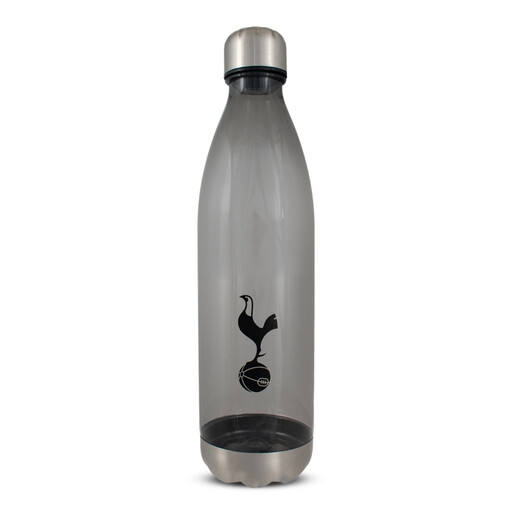
Why This Fits Their Persona: A practical option for Tottenham supporters who want a generous capacity for school, work, gym sessions or matchdays without choosing a more complex insulated design.
The clear construction makes fluid levels visible, while the secure screw-top lid is specified to help prevent leaks and spills.
1-litre capacity; lightweight reusable plastic construction; official club branding.
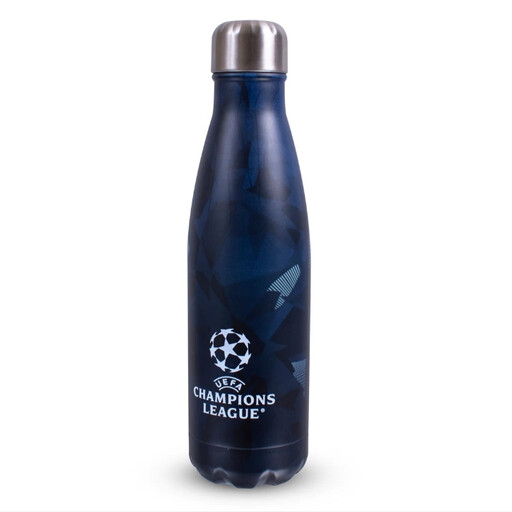
Why This Fits Their Persona: Suitable for commuters, office workers and football fans who want stainless steel construction, insulation and a compact size for daily carrying.
The product information clearly specifies double-wall vacuum insulation and a leak-proof screw cap, rather than relying only on decorative branding.
304 stainless steel; stated hot and cold temperature retention; sweat-resistant exterior.
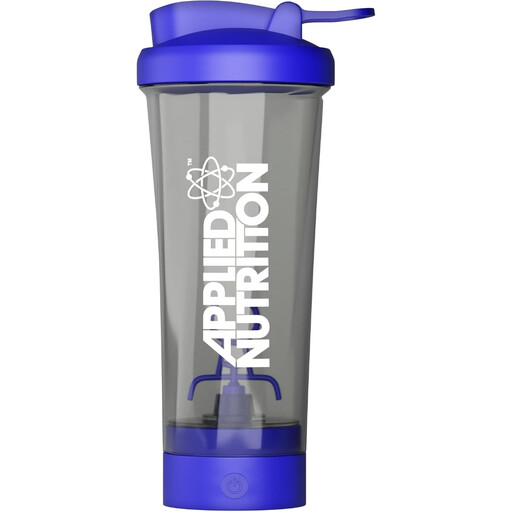
Why This Fits Their Persona: Designed for gym-goers, athletes and anyone mixing protein powder, meal replacements or supplements after training.
Its stated 6,500rpm motor is intended for mixing, while the leak-proof cap and handle address transport between home and the gym.
45-second mixing cycle; BPA-free food-grade materials; dishwasher-safe base, with the motor base kept out of water.
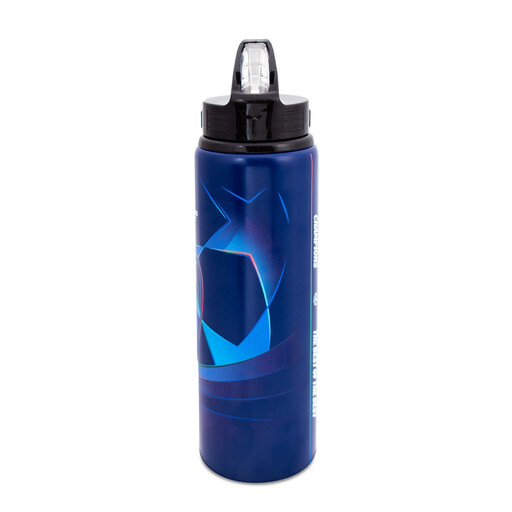
Why This Fits Their Persona: A club-themed option for Champions League supporters seeking a portable bottle for work, university, travel or training.
The capacity and aluminium construction are stated clearly, with warnings to inspect dents, sharp edges and worn internal coating before use.
750ml capacity; lightweight aluminium body; officially licensed Champions League graphics.
We have compiled a complete, real-time list of products that fully satisfy these strict selection criteria and UK safety regulations.
Choose according to your routine. A 500ml bottle is easier to carry for short journeys and sports, while a 700ml or 750ml bottle offers more fluid between refills. A 1-litre bottle suits long workdays, gym sessions and travel, provided its size and weight are manageable when full.
Some are, but not all. Check the individual product instructions for temperature suitability, lid safety and cleaning requirements. Never assume that stainless steel automatically makes a bottle suitable for boiling drinks and open containers holding hot liquids carefully to reduce burn risk.
There is no universal lifespan. Usage frequency, cleaning method, drops, heat exposure and the condition of the lid seal all matter. Regularly inspect the bottle and replace it when the body, coating, cap or seal shows damage that could affect safe use or leak resistance.