
24/7 Customer Support

Free returns

Same-day & Next-day Delivery

Quality Guaranteed

Unlock Your Welcome Offers: FREE Delivery | Up to 80% OFF | Free 30-day JoyPlus trial
Download the APP
Choosing revitalising skincare products can be surprisingly difficult. A serum may promise a refreshed complexion, while a neck device advertises several light colours, heat and microcurrent in one compact body. Yet attractive claims do not always explain whether a product suits your skin, routine or home environment.
The most useful approach is to compare ingredients, format, safety information and realistic daily use rather than relying on packaging language alone.
A rich cream can make skin feel soft immediately, but that does not necessarily mean it is suitable for combination or blemish-prone skin. Similarly, a cooling gel may feel comfortable without providing enough nourishment for dry skin. Check the stated skin type, texture and intended routine before purchasing.
Terms such as “lifting”, “rejuvenating” and “anti-wrinkle” describe the product’s intended positioning, not a guaranteed result for every user. Look for clearly listed ingredients, such as glycerin, hyaluronic acid, oat, ceramides, Q10 or bakuchiol, and consider whether the formula fits your tolerance and preferences.
Marketing material may refer to clinical or instrumental results. These should be understood as results from the brand’s own research or specified testing conditions, rather than a promise applicable to all UK consumers.
A neck massager or LED neck beautifier is not automatically suitable for everyone. EMS and heat devices may have restrictions relating to pacemakers, implanted electronic devices, pregnancy, epilepsy, metal implants or active skin conditions. Never use a device on broken or irritated skin, and always read the supplied manual.
Also check how the device is cleaned. A product that must only be wiped with a soft cloth will require different bathroom storage from a waterproof model.
For sensitive or mature skin, prioritise fragrance-free, non-comedogenic and dermatologist-tested descriptions where relevant, while still checking the full ingredient list. The Aveeno Calm & Restore range, for example, uses oat and feverfew-focused formulas and includes fragrance-free options.
People seeking skin barrier repair may prefer moisturisers containing occlusive or emollient ingredients such as dimethicone, shea butter, oils or ceramides. A lightweight hydrating serum can be layered beneath a moisturiser, whereas a richer cream may be more suitable as the final evening step.
If you are considering a rejuvenating face serum, compare:
A 30 ml serum generally needs to be used sparingly, while a 50 ml moisturiser or 450 ml body wash is designed for a different frequency and area of use. Confirm whether the product is intended for the face, neck, décolletage or body.
A moisturiser for sensitive skin should be easy to apply consistently. Fast-absorbing gels can work well under make-up, while richer creams may be preferable overnight or during colder, drier weather in the UK.
For a hydrating face mask, check the recommended wear time and whether fragrance is included. A single-use hydrogel mask can be convenient before an event, but it should not replace a simple daily routine.
For a home device, review:
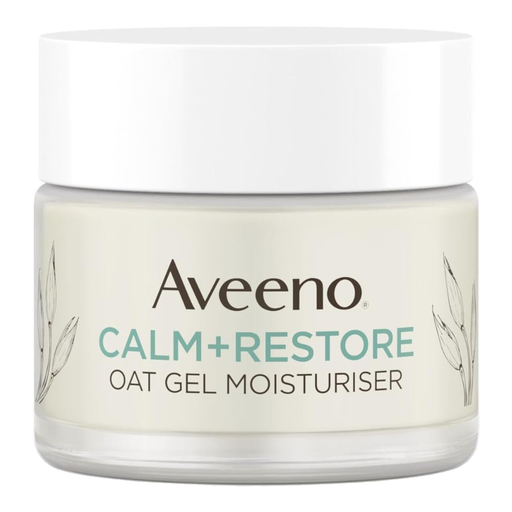
Why This Fits Their Persona: A straightforward daily moisturiser for shoppers beginning a hydration and skin-barrier routine, particularly those with normal to dry sensitive skin.
Its lightweight gel-cream format is clearly described, helping buyers avoid choosing a heavy texture when they prefer fast absorption.
Prebiotic oat and feverfew are listed ingredients; the formula is fragrance-free and non-comedogenic according to the product information.
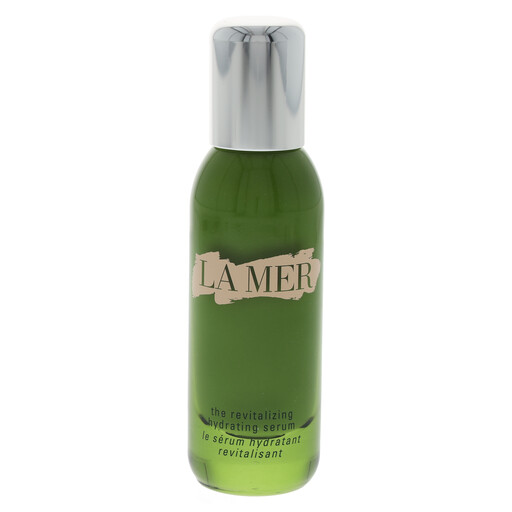
Why This Fits Their Persona: A lightweight, oil-free hydrating serum for shoppers who want a premium face-and-neck treatment with a fluid texture.
The product information identifies its oil-free texture, directions and ingredient list, making it easier to assess against preference and tolerance.
Includes glycerin, algae extract and sodium hyaluronate; the instructions specify use on the face and neck morning and evening.
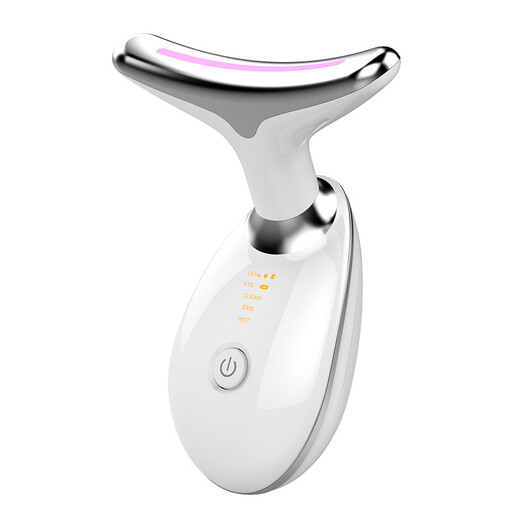
Why This Fits Their Persona: Designed for adults wanting several neck-care modes at home, including cleansing, EMS, sonic vibration, LED and heat.
Its specifications state the modes, 45°C heat, charging time and cleaning limitations, so buyers can assess practical use rather than focus only on LED colour count.
Offers CLEAN, EMS and HOT modes, seven LED colours, a 500mAh battery and a stated one-year limited warranty.
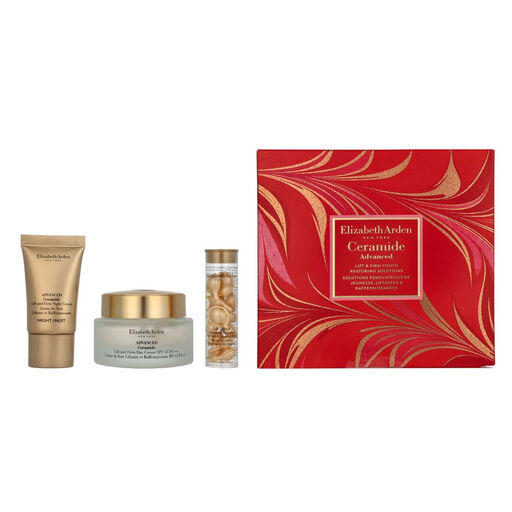
Why This Fits Their Persona: A coordinated skincare gift set for someone interested in cleanser, ceramides, day cream and evening capsules rather than one standalone product.
The four-piece format makes the contents explicit, while the directions distinguish morning day cream from evening retinol capsules.
Includes ceramides, a cleanser, SPF15 day cream and retinol capsules; retinol use requires daytime SPF and careful irritation monitoring.
A practical routine does not need every product category at once:
Shelf life varies by formula and packaging. Check the product label, batch information and any open-jar symbol. Store skincare away from direct sunlight and heat, and avoid introducing water or unclean tools into jars.
Some may be, but suitability depends on the complete formula. Fragrance-free oat moisturisers can be a simpler starting point, while retinol, essential oils and fragranced botanical formulas may require extra caution. Patch-test new products and stop use if redness, pain or persistent discomfort develops.
Most running cost comes from charging rather than consumable parts. USB devices such as the Sunluxy ES-1081 require a compatible certified 5V charger. A heated neck massager uses electricity during operation, so follow the manual’s session recommendations and never use it while sleeping.