
24/7 Customer Support

Free returns

Same-day & Next-day Delivery

Quality Guaranteed

Unlock Your Welcome Offers: FREE Delivery | Up to 80% OFF | Free 30-day JoyPlus trial
Download the APP
Navigating the rice aisle can feel surprisingly complex. With shelves packed with bags all promising quality, it is easy to end up with a product that doesn't suit your cooking needs. A 1kg bag of rice is a pantry staple, but choosing the wrong type can lead to disappointing meals and wasted money. Many shoppers fall into common traps, paying for marketing hype rather than genuine quality.
This guide cuts through the clutter. We will highlight the key pitfalls to avoid and break down the essential factors to consider, helping you select the right rice for your kitchen, whether you are making a fragrant curry, perfect sushi or a wholesome family meal.
Before you buy, be aware of these frequent issues that can trip up even experienced home cooks:
jasmine rice.long grain rice for a dish that requires stickiness, like sushi, will result in a frustrating failure. The starch content and grain shape are fundamentally different. Understanding which rice type is needed for your recipe is crucial for achieving the right texture and flavour.rice for curry needs to be fluffy and separate to absorb the sauce, like basmati rice, while a dessert might require a chewy, sticky rice (also known as glutinous rice). Choosing incorrectly can make the difference between a good meal and a great one.To make an informed choice, focus on these three practical characteristics.
This is the most critical factor determining the final texture of your cooked rice.
Japanese rice used in sushi rice and onigiri.The level of processing affects both nutrition and flavour.
brown rice, black rice and red cargo rice. They have a nuttier flavour, a chewier texture, and are higher in fibre, vitamins and minerals. They are also a source of gluten free rice.Some rice types are prized for their natural fragrance, which adds another dimension to a dish.
Thai rice. It has a softer texture than Basmati and a subtle floral aroma. It is the staple accompaniment for many Southeast Asian dishes.Based on these practical criteria, here are some recommendations matched to different cooking needs and preferences.
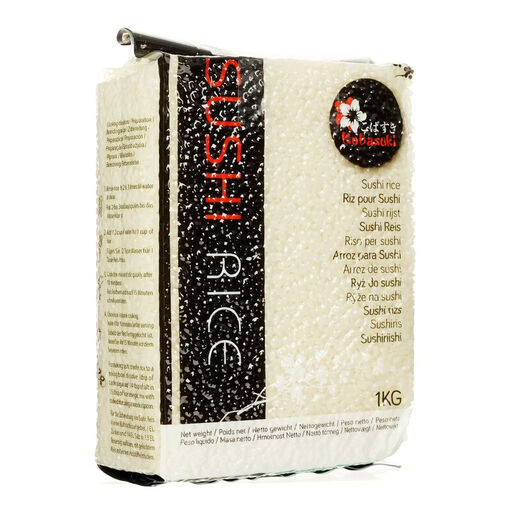
Why This Fits Their Persona: This premium short-grain rice is specifically selected for its ideal balance of stickiness and texture, making it perfect for the UK home cook aiming to create authentic sushi, onigiri or poke bowls without the guesswork.
It directly counters the "one-rice-fits-all" myth. This is not a generic rice; it is purpose-selected for Japanese cuisine, ensuring your sushi rolls hold together perfectly instead of falling apart.
Achieves a glossy, pearly finish and a tender, chewy texture that absorbs sushi vinegar impeccably for authentic flavour.
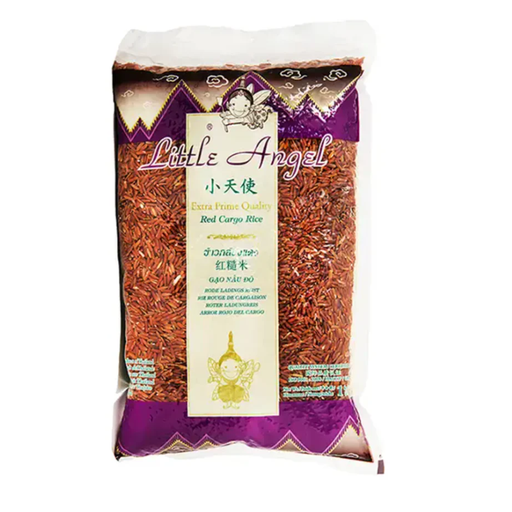
Why This Fits Their Persona: For those seeking a nutritious alternative to white or even standard brown rice, this whole grain rice offers a higher fibre content, a visually appealing colour and a satisfying, nutty flavour for wholesome meals.
This rice moves beyond basic choices by offering unique nutritional and flavour profiles. It is an unpolished grain that celebrates its natural state, providing more texture and nutrients than overly processed options.
It retains its nutrient-rich bran layer, giving it a distinctive chewy texture and reddish hue. It is naturally a gluten free rice and excellent for hearty salads and stir-fries.

Why This Fits Their Persona: This is an authentic, fragrant long-grain rice that cooks up fluffy and separate. It is the perfect partner for a rich Thai green curry or a quick weeknight stir-fry, absorbing flavours beautifully without becoming mushy.
This product avoids the "Jasmine Style" trap by being genuine Thai Hom Mali rice. This designation guarantees the authentic aroma and superior texture that defines high-quality Thai rice, unlike cheaper, less fragrant alternatives.
Sourced from controlled cultivation in Thailand, it delivers a natural, subtle jasmine aroma and a soft yet distinct grain structure that remains separate when cooked.
We have compiled a complete, real-time list of products that fully satisfy these strict selection criteria and UK safety regulations.
Yes, for most types of rice (especially white varieties like jasmine, basmati and sushi rice), washing is recommended. Rinsing the grains in cold water until the water runs clear removes excess surface starch. This helps prevent the rice from becoming overly gummy and ensures the grains are more separate and fluffy after cooking. For sushi rice, this step is essential for achieving the correct texture.
Although both are sticky, they are not interchangeable. Sushi rice is a type of short-grain Japanese rice that becomes sticky due to its high starch content, allowing it to be shaped. Glutinous rice, also known as sticky rice or sweet rice, has a much higher starch content (specifically amylopectin) that makes it uniquely chewy and glue-like when cooked. It is used primarily for desserts like mango sticky rice and savoury parcels like zongzi and would be far too sticky for making sushi.
To maintain freshness and prevent pests, store your rice in a cool, dry place away from direct sunlight. Once the bag is opened, it is a good idea to transfer the rice to an airtight container. This protects it from moisture, which can affect its texture and from absorbing strong odours from other foods in your pantry. Properly stored, a 1kg bag of uncooked white rice can last for a very long time, while brown rice has a shorter shelf life (around 6 months) due to the oils in its bran layer.