
24/7 Customer Support

Free returns

Same-day & Next-day Delivery

Quality Guaranteed

Unlock Your Welcome Offers: FREE Delivery | Up to 80% OFF | Free 30-day JoyPlus trial
Download the APP
Navigating the world of rice can be surprisingly complex. You set out to buy rice online in the UK, perhaps for a simple weeknight meal or a special recipe, only to be met with a wall of options. The labels can be confusing, and it is easy to make a purchase you later regret. As a Joybuy Product Recommendation Officer, my role is to help you see past the marketing jargon and choose the right product for your needs.
Many shoppers fall into a few common traps. Understanding these pitfalls is the first step to making a better choice and ensuring the rice 1kg bag you buy is perfectly suited to your kitchen.
To avoid these pitfalls, focus on a few key characteristics that determine the rice's texture, flavour and best use.
The shape of the rice grain is your first clue to its cooking properties.
The stickiness of rice is determined by the ratio of two starches: amylose and amylopectin.
The level of processing also has a significant impact on both nutrition and flavour.
To help you choose, we have matched some excellent 1kg rice options to different cooking needs and preferences.
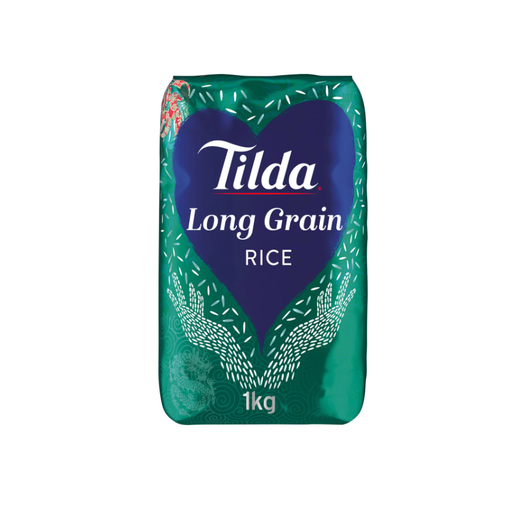
Why This Fits Their Persona: This is a reliable, all-purpose rice for the UK household. It is ideal for weeknight meals, from accompanying a chilli con carne to forming the base of a quick stir-fry, offering consistency you can count on.
It avoids the "premium" trap by being a straightforward, quality long grain rice. Its purpose is clear: to be a versatile staple, and it delivers on that promise without confusing marketing.
The grains cook up fluffy and separate. It is naturally gluten-free and suitable for a wide range of family meals.
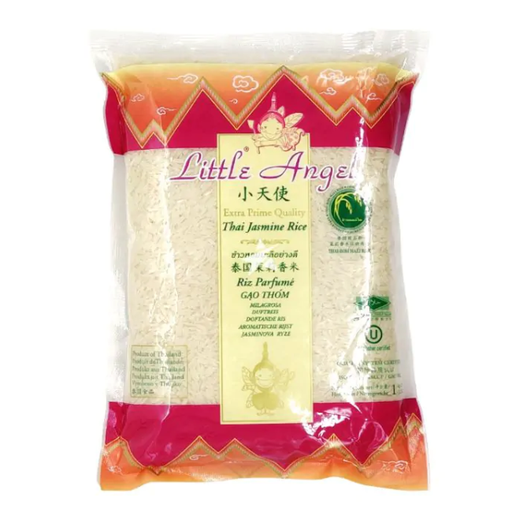
Why This Fits Their Persona: For anyone serious about cooking Thai or other Southeast Asian cuisines, the specific aroma and soft, slightly sticky texture of jasmine rice are non-negotiable. This rice provides that authentic foundation.
This avoids the grain mismatch trap. Instead of a generic rice, it is a specific, high-quality varietal imported from Thailand, ensuring the correct properties for authentic dishes.
It delivers the delicate floral aroma and soft texture that is the hallmark of genuine jasmine rice, perfectly complementing curries and stir-fries.
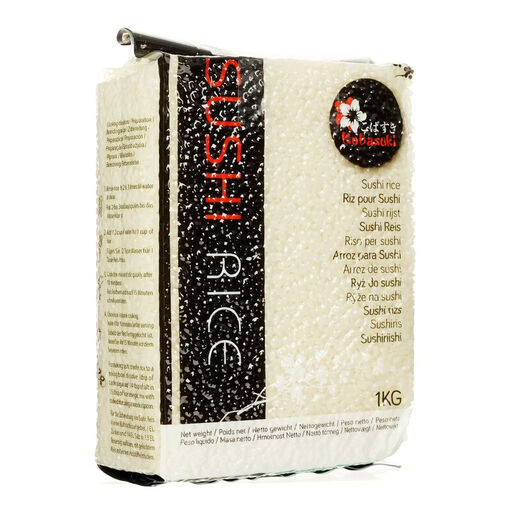
Why This Fits Their Persona: For those making sushi, onigiri or poke bowls at home, the right rice is everything. This short-grain rice is specifically selected for its ability to become sticky while retaining grain integrity, which is crucial for shaping.
It directly solves the grain mismatch problem. Attempting to make sushi with long-grain rice is a recipe for failure; this product provides the exact short-grain, high-amylopectin rice required.
It achieves the glossy, pearly finish and tender, chewy texture of authentic sushi rice, absorbing seasonings perfectly for a restaurant-quality result at home.
We have compiled a complete, real-time list of products that fully satisfy these strict selection criteria and UK safety regulations.
To maintain freshness and prevent pests, store your rice in a cool, dry place away from direct sunlight. Once the bag is opened, it is advisable to transfer the rice to an airtight container. This protects it from moisture and odours, preserving its quality for longer.
Yes, the difference is significant. Basmati rice has very long, slender grains that cook up dry, fluffy and separate. It has a unique, slightly nutty aroma and is the traditional choice for Indian dishes like biryani and pilau. Jasmine rice has slightly shorter grains, a soft and moist texture, and a subtle floral aroma. It has a slight stickiness, making it the perfect accompaniment for Thai and other Southeast Asian dishes.
The creaminess of risotto comes from the starch released by the rice during cooking. If your risotto is not creamy, you are likely using the wrong type of rice. For that signature velvety texture, you must use a high-starch, medium or short-grain rice like Arborio rice. Its grains are designed to release amylopectin when stirred with hot broth, creating a creamy sauce. A standard long-grain rice will remain separate and will not produce this effect.