
24/7 Customer Support

Free returns

Same-day & Next-day Delivery

Quality Guaranteed

Unlock Your Welcome Offers: FREE Delivery | Up to 80% OFF | Free 30-day JoyPlus trial
Download the APP
Rice is a staple in countless British kitchens, yet when you decide to buy rice online in the UK, the sheer variety can be overwhelming. A simple search for a rice 2kg bag reveals a world of different grains, brands and marketing claims. Choosing incorrectly can lead to a disappointing meal, whether it's a mushy curry base or sushi that falls apart.
As the Joybuy Product Recommendation Officer, my role is to help you navigate these choices. Many shoppers fall into common traps, wasting money on products that don't suit their needs. Let's look at the main pitfalls to avoid.
To avoid these issues, focus on two core characteristics of the rice itself, not just the packaging. Understanding these will ensure you get the perfect result every time.
The shape of the rice grain is the most important indicator of its final texture.
The science behind the texture lies in the rice's starch composition and how it has been processed.
Based on these practical criteria, here are a few recommendations from our catalogue, matched to different cooking needs and lifestyles.
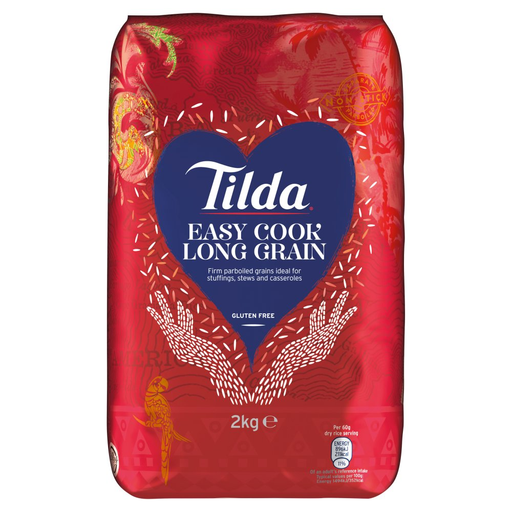
Why This Fits Their Persona: For busy UK households, getting a consistent result is key. This rice is ideal for batch cooking, meal prepping or as a reliable side for stews and casseroles where you need grains that won't turn to mush.
It directly counters the "inconsistent cooking" pitfall. The parboiling process makes it very forgiving, so you get separate, non-sticky grains even if your timing is slightly off.
The firm, parboiled grains hold their structure well in one-pot dishes. It's a versatile long-grain rice that is naturally gluten-free.
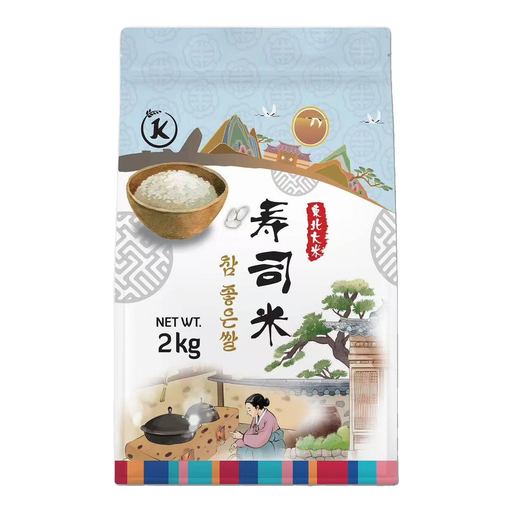
Why This Fits Their Persona: For the enthusiast looking to recreate authentic Japanese dishes at home, the right rice is non-negotiable. This short-grain rice is specifically cultivated for the ideal balance of stickiness and flavour absorption needed for perfect sushi.
This product demolishes the "one-size-fits-all" myth. It is not an all-purpose rice; it is a specialist grain that delivers the specific texture that long-grain or easy-cook rice simply cannot provide.
It cooks to a tender, plump texture that holds together beautifully for rolling sushi or shaping onigiri. The grains absorb seasoning evenly for consistent flavour.
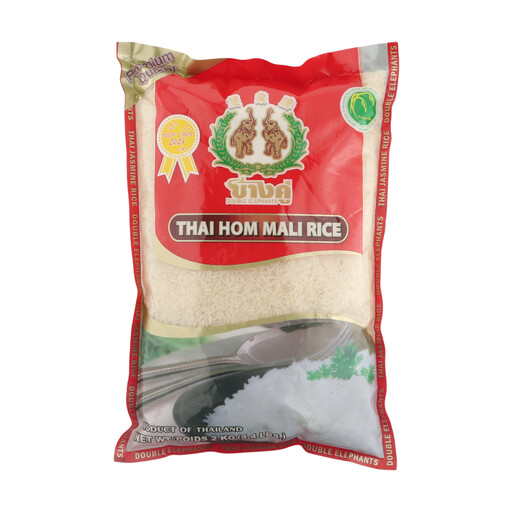
Why This Fits Their Persona: For someone who loves the authentic flavours of Thai and Southeast Asian food, the aroma of the rice is just as important as the curry itself. This Thai Hom Mali rice provides the fragrant foundation that elevates the entire meal.
This avoids the pitfall of paying for a generic "long grain" rice that lacks character. The "Aaa" grade and Thai origin signify a focus on aromatic quality, ensuring you get the authentic jasmine fragrance.
It delivers a delicate floral aroma and a soft, slightly sticky texture that perfectly complements rich and spicy curries. The grains are long, slender and remain separate.
We have compiled a complete, real-time list of products that fully satisfy these strict selection criteria and UK safety regulations.
For most rice types, yes. Rinsing removes excess surface starch, which helps prevent the grains from clumping together and results in a fluffier texture. This is particularly important for long grain rice like Basmati and Jasmine. The main exception is easy cook rice, which has already been processed, and risotto rice, where the starch is needed for a creamy texture. For sushi rice, rinsing is a critical step to achieve the right consistency.
This varies significantly by rice type. A common starting point for white long grain rice is 1 part rice to 1.5 parts water. However, Basmati rice often requires less, while brown rice needs more. For speciality grains like sushi rice or glutinous rice, it is crucial to follow the specific package instructions, as they often require soaking and steaming rather than boiling.
To maintain freshness and prevent pests, it's advisable to transfer the rice from its original bag into an airtight container. Store the container in a cool, dry place away from direct sunlight, such as a pantry or cupboard. Properly stored, a 2kg rice bag will maintain its quality for a year or more.