
24/7 Customer Support

Free returns

Same-day & Next-day Delivery

Quality Guaranteed

Unlock Your Welcome Offers: FREE Delivery | Up to 80% OFF | Free 30-day JoyPlus trial
Download the APP
From a comforting bowl of creamy rice pudding to a vibrant plate of Pad Thai, rice and noodles are the foundation of countless beloved meals in UK kitchens. Yet, the sheer variety on supermarket shelves can be overwhelming. As a Joybuy Product Recommendation Officer, my role is to help you navigate the options and find the right product for your needs, without falling into common shopping traps.
Many of us have been there: a stir-fry turns to mush, a pilaf comes out sticky, or we realise the "value" pack wasn't such good value after all. Before you make your next purchase, let's look at the most frequent pitfalls.
To avoid these issues, focus on a few key parameters. This ensures the rice or noodles you choose are perfectly suited to your recipe, dietary needs and budget.
The most critical factor for rice is the grain type, which determines its texture when cooked.
With Asian noodles, the width and ingredients are everything.
Finally, consider your household's specific needs.
Based on these practical criteria, here are a few recommendations matched to different UK household needs.
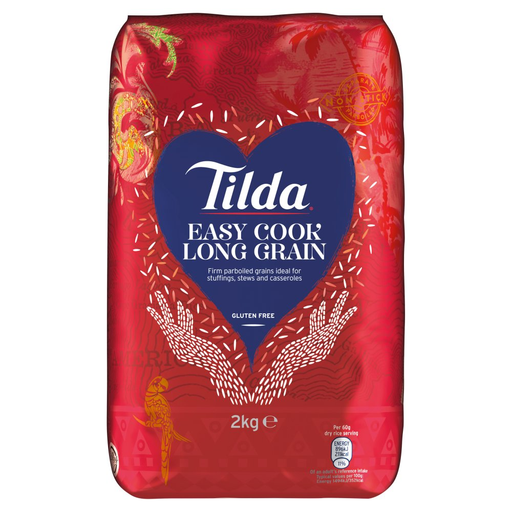
Why This Fits Their Persona: This is a reliable workhorse for family meals. The 2kg pack is a practical size, and the 'easy cook' nature means it's forgiving on a busy weeknight, delivering consistent, non-stick rice for casseroles, stews, or as a simple side.
It sidesteps the "one-size-fits-all" myth by being an excellent, versatile staple. The parboiling process makes it robust enough for a wide range of everyday dishes without turning mushy.
The key advantage is its parboiled grains, which stay firm and separate. It is also certified gluten-free, making it a safe choice for households with mixed dietary needs.
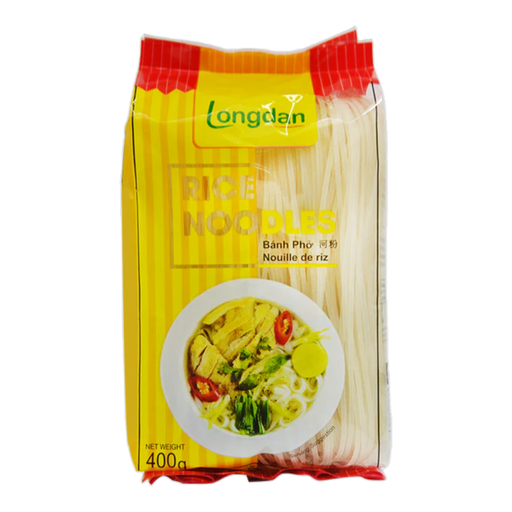
Why This Fits Their Persona: For anyone aiming to recreate an authentic Vietnamese Beef Noodle Soup (Ph?), this is the right tool for the job. It is specifically described as “bánh ph? hà n?i,” indicating its suitability for this classic dish.
This product directly solves the "noodle name game" pitfall. By choosing a noodle specified for Ph?, you ensure the correct texture and width, avoiding the common mistake of using overly thin or thick noodles.
Made from just rice flour and water, it provides a clean, neutral base that absorbs broth beautifully. The 2.5mm width offers a satisfying chew without being too heavy for a soup.

Why This Fits Their Persona: This is specifically designed for a baby's first introduction to solid foods. It's organic, smooth and fortified with Thiamin (Vitamin B1) to support development, giving parents peace of mind.
This is a highly specialised product that completely avoids the "one-size-fits-all" trap. It is clearly labelled as baby rice, preventing the dangerous mistake of using standard table rice for a baby's first meals.
Its simple formulation of 99.99% organic rice flour with added Thiamin is a major plus. It contains no added sugar or salt, ensuring a gentle and natural start to weaning.
We have compiled a complete, real-time list of products that fully satisfy these strict selection criteria and UK safety regulations.
Easy cook rice has been parboiled (partially boiled in its husk). This process makes the grains harder and more separate, so they are less likely to stick together or become mushy during cooking. Regular long grain rice has not undergone this process and can be softer, but may require more careful cooking to achieve a fluffy texture.
To protect your investment in bulk rice, proper storage is key. Once opened, transfer the rice from its original sack into one or more large, airtight food-grade containers. Store these containers in a cool, dark and dry place, like a pantry or cupboard. This protects the rice from moisture, pests and odours, keeping it fresh for many months.
While you can technically use any rice noodles, the result will vary significantly. For an authentic Pad Thai, you should look for flat rice noodles that are around 3mm to 5mm wide. These are often labelled as "rice sticks" or specifically for Pad Thai. Using very thin rice vermicelli will result in a softer, more tangled dish, while extra-wide 10mm noodles are better suited for dishes like Pad See Ew.