Volunteer-run refreshment tables
When several people are helping, sealed bags or wrapped portions are straightforward to count and hand out. A standard pack also works if a volunteer can manage serving and keep the remaining cakes protected.


For a small group where someone can manage serving, a standard pack avoids opening a separate packet for every person. Choose sealed multipacks when visitors will help themselves or each person needs a packet; individually wrapped catering portions suit a larger, planned handout. Whichever format you choose, check the exact pack’s allergen and storage information, and keep refreshments protected at the event.
When several people are helping, sealed bags or wrapped portions are straightforward to count and hand out. A standard pack also works if a volunteer can manage serving and keep the remaining cakes protected.
If you know roughly how many people will be eating and do not need a sealed packet for each person, a standard pack lets you manage portions as they are needed. Check the pack weight and decide how you will serve it before buying.
Keep the exact product information available for ingredient and allergen checks, and protect packs during storage and service. If the activity is a food business, check registration requirements with the relevant local authority before trading.
Start with how the rice cakes will be handed out, then check quantity, product information and storage for that serving plan.
| Priority | What to check | Your needs |
|---|---|---|
| Serving format | Check whether the cakes come in one shared pack or separately sealed portions. Tesco Groceries lists its Snack a Jacks Salt & Vinegar product as five 19g bags; DDC Foods lists Kallo dark-chocolate twin portions as a case of 30 individually wrapped 33g packs. | I can serve from a shared pack if someone will stay at the table. For self-service, I would rather give each visitor a sealed portion. |
| Quantity | Compare the stated pack weight with the number of packets or wrapped portions. Work out how many people you expect to serve and whether each will receive a whole packet or a served portion. | I want enough portions for the group without assuming that a larger outer pack contains individual servings. |
| Allergen information | Read the exact pack’s ingredients and precautionary statements. ASDA Groceries lists its Slightly Salted Rice Cakes as possibly containing soya; DDC Foods lists its Kallo dark-chocolate twin packs as containing soya and possibly containing milk and sesame. | If someone asks about ingredients, I need the information for the product I actually brought, not an assumption based on its flavour or brand. |
| Outdoor protection | Keep packs intact until needed and follow their stated storage and shelf-life instructions. Food Standards Agency food-safety guidance identifies packaging and storage conditions as relevant to controlling hazards. | My refreshments may sit on an outdoor table, so I need a way to keep unopened stock protected and opened packs covered. |
| Flavour | Check whether you want a lightly salted cake that can be served with toppings or a ready-flavoured snack. A flavoured multipack and a plain standard pack do not serve exactly the same purpose. | I would choose a ready-flavoured packet for a simple handout, but check the exact product if I plan to add toppings. |
Separate bags make one-per-person handouts easier, but they are unnecessary if someone can serve a small group from a shared pack.
Estimate the number of visitors you intend to serve, then decide whether sealed individual packets would change how the table operates.
Allergen statements differ between products. ASDA Groceries says its Slightly Salted Rice Cakes may contain soya; DDC Foods lists soya in its Kallo dark-chocolate twin packs and says they may contain milk and sesame.
Check the exact current pack and keep its product information available when serving others.
An opened pack needs more attention at an outdoor table than individually sealed portions, particularly while stock is waiting to be served.
Leave stock in its original packaging until needed, protect opened packs and follow the product’s storage instructions.
Food-business registration depends on the activity, while event arrangements depend on the organiser and location. The Food Standards Agency’s registration service specifies registration with the local authority at least 28 days before a new food business starts trading or food operations.
If you plan to sell refreshments, ask the relevant local authority how your activity is treated and check the organiser’s conditions before the event.
These examples show the pack formats and product details worth checking; a retailer or brand may offer more than one kind of rice cake.
Its Slightly Salted Rice Cakes provide an example of a 130g standard pack for managed serving.
Its Salt & Vinegar rice-and-corn snack multipack illustrates individually bagged portions.
A DDC Foods listing illustrates a catering-style case of dark-chocolate rice-cake twin portions.
Its rice-cake category includes both standard packs and individually bagged products.
Its rice-cake range includes flavoured and coated products as well as a 133g Sweet and Salty pack.
These rice cakes and crackers are standard packs for a table where portions can be managed. Check the individual product before choosing one if you need separately sealed servings.
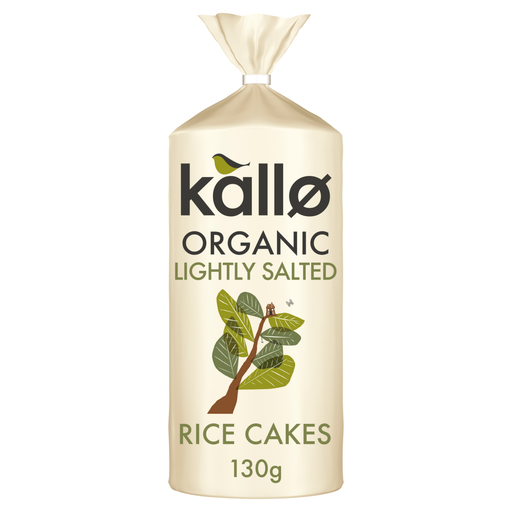 No image available
A lightly salted standard pack to consider when someone can manage serving. It contains 130g and does not provide a separately wrapped portion for each visitor; keep the pack protected once opened.
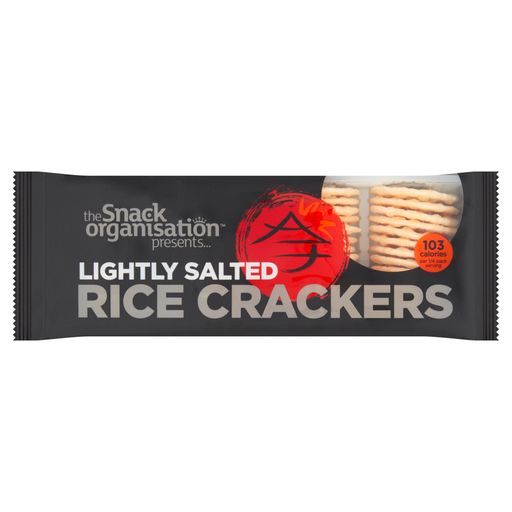 No image available
A 100g lightly salted rice-cracker pack for managed serving rather than individual handouts. Keep the remaining crackers protected after opening and check the exact pack’s ingredients before serving.
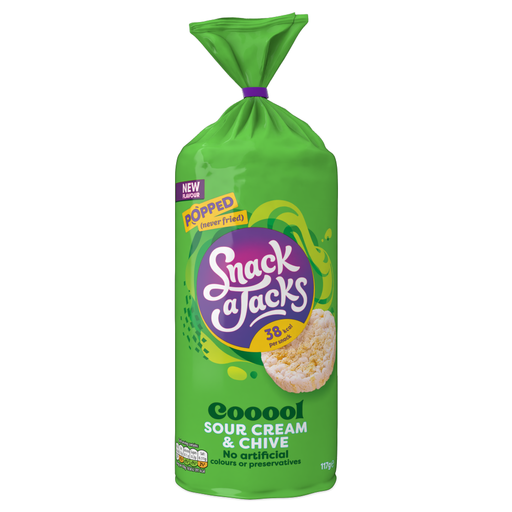 No image available
A 117g sour cream and chive sharing pack for a table offering a ready-flavoured snack. It is not a set of individual packets, so plan how it will be served and protect it once opened.
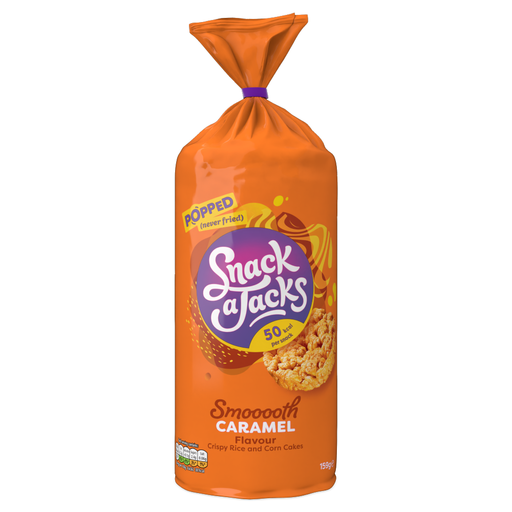 No image available
A 159g caramel-flavoured standard pack to consider when portions will be served from a shared pack. Check the exact pack’s ingredients and keep the remaining cakes protected after opening.
Not necessarily. A standard pack can work when someone will serve a known group and protect the remaining cakes; choose separately sealed portions when you need to count out packets or let visitors help themselves.
Sealed bags or wrapped portions are easier to allocate one at a time. Tesco Groceries lists the cited Snack a Jacks multipack as five 19g bags, while DDC Foods lists the cited Kallo catering case as 30 individually wrapped 33g twin portions.
No. Check the exact current product: ASDA Groceries says its Slightly Salted Rice Cakes may contain soya, while DDC Foods lists soya in its Kallo dark-chocolate twin packs and says they may contain milk and sesame. Keep the relevant pack information available when serving others.
Ask the relevant local authority whether your planned activity is a food business and check the organiser’s conditions. For a new food business, the Food Standards Agency’s registration service specifies registration with the local authority at least 28 days before trading or food operations start.
Keep unopened products in their original packaging, protect them from moisture, damage and contamination, and follow the exact pack’s storage instructions. Food Standards Agency guidance identifies packaging, storage conditions and shelf-life information as relevant to food-safety control.