Households portioning snacks at home
A standard pack makes sense when someone can put a few rice cakes into a lunchbox container and store the rest according to the pack instructions.


For a secondary-school packed lunch, choose a loose pack if someone can portion and store the rice cakes at home; choose a multipack if sealed portions make packing easier. Neither format establishes allergen suitability: check the exact flavour’s label and the school’s allergy arrangements before putting it in a lunchbox.
A standard pack makes sense when someone can put a few rice cakes into a lunchbox container and store the rest according to the pack instructions.
Sealed inner packs suit mornings when a pupil needs to take a snack straight from the cupboard. Check how many portions the multipack actually contains.
Choose by the exact product’s ingredients, gluten labelling and precautionary allergen statements, as well as the individual school’s arrangements—not by the words “rice cakes”.
Start with how the snack will be packed, then check the exact flavour’s allergen and nutrition information.
| Priority | What to check | Your needs |
|---|---|---|
| Pack format | Look at the number and size of sealed inner packs. For a loose pack, check its storage instructions and whether you have a container for lunchbox portions. | I can portion snacks at home, or I need a sealed portion that can go straight into a school bag. |
| Gluten and allergens | Read the exact flavour’s ingredients, gluten claim and precautionary statements. Check the individual school’s allergy arrangements before packing food from home. | A pupil’s dietary requirements or the school’s arrangements mean I cannot assume every rice cake has the same allergen status. |
| Flavour and nutrition | Compare the nutrition panels for the actual plain, savoury or chocolate-coated products, using the same per-100g or per-serving basis. Check the serving size when reading per-serving figures. | For a regular lunchbox snack, I want to know what changes when I choose a coated or flavoured cake instead of a plain one. |
| Storage after opening | Follow the pack’s instructions for an opened standard pack. Keep the lunchbox portion in a suitable container if it is not individually wrapped. | When I buy one larger pack for several lunches, I need a practical way to store the remainder. |
The products have different allergen statements. Sainsbury’s lists Kallo Organic Lightly Salted Rice Cakes as gluten free but says they may contain milk, sesame and soya; Tesco’s listing for the Snack a Jacks Sour Cream & Chive multipack warns that it may contain wheat and other cereals containing gluten.
Read the current label for the exact flavour and pack size, then check the school’s allergy arrangements.
Ingredients and nutrition differ by product. Sainsbury’s lists 6.3g sugars and 3g saturates per 21g pack of Kallo Milk Chocolate Rice Cake Minis.
Use the nutrition panel for the flavour you are packing, and compare figures on a consistent per-100g or per-serving basis.
Sainsbury’s describes its plain rice cakes as prepared to a vegan recipe but says they are not suitable for customers with a milk allergy because of manufacturing methods.
For a pupil with an allergy, read the product’s specific allergen advice rather than relying on a general dietary description.
These examples show why pack format and allergen information need checking product by product; a brand name alone does not settle either question.
Its rice-and-corn snack range includes portioned multipacks and larger cakes.
The examples include organic lightly salted rice cakes and portioned chocolate-coated minis.
Tesco’s own-label lightly salted rice cakes offer a standard-pack option for portioning at home.
Its own-label plain rice cakes provide another standard-pack option.
M&S lists plain, flavoured and chocolate-coated rice cakes in different pack formats.
These options include standard rice-cake packs, counted snack packs and a mochi-style product. Match the exact format and label to the lunchbox rather than treating them as interchangeable.
 No image available
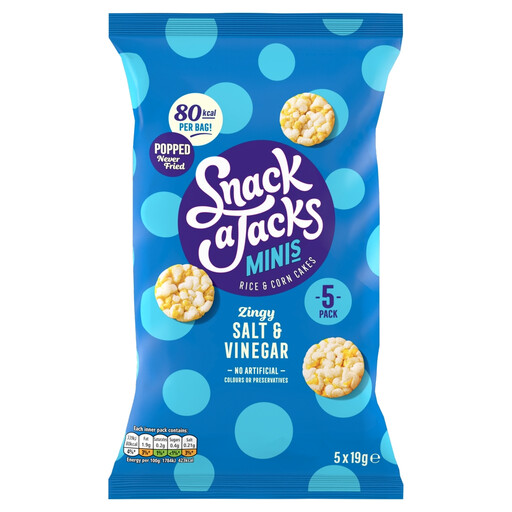
Five 19g packs offer counted portions for a lunchbox. Joybuy’s product information warns that this flavour may contain milk, wheat, gluten, barley and soya; check the current pack against the pupil’s requirements and school arrangements.
 No image available
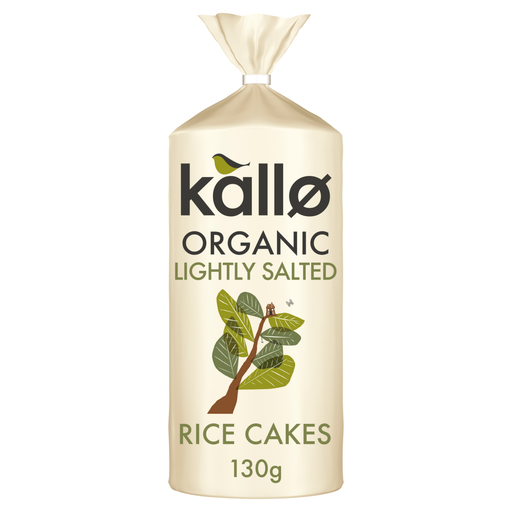
This standard pack suits portioning at home. Sainsbury’s lists this Kallo product as gluten free but says it may contain milk, sesame and soya; follow the current pack’s allergen and storage instructions.
 No image available
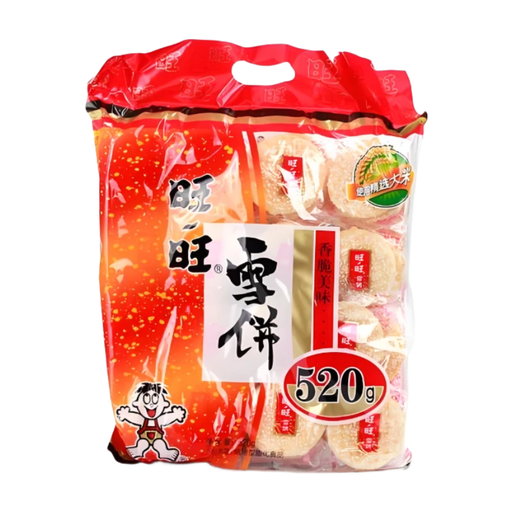
The 42 individual packs provide counted units for repeated lunchbox packing. This is a coated snack rather than a plain rice cake; check its current ingredients, nutrition panel and allergen information, particularly for wheat and soya.
 No image available
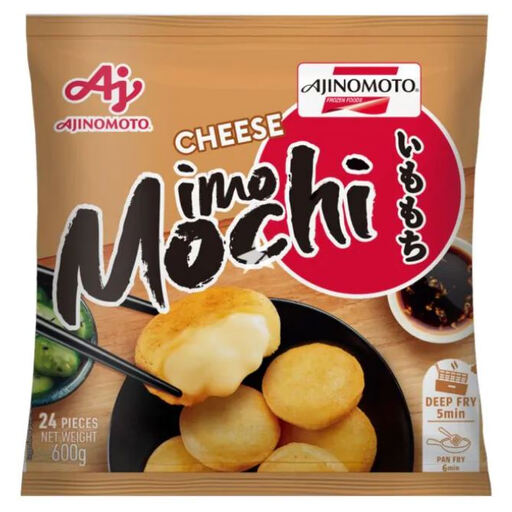
The 24-pack is a mochi-style option, so check its format before choosing it in place of a crisp rice cake. Check the current label for wheat, milk, soya and fish, as well as its serving and storage instructions.
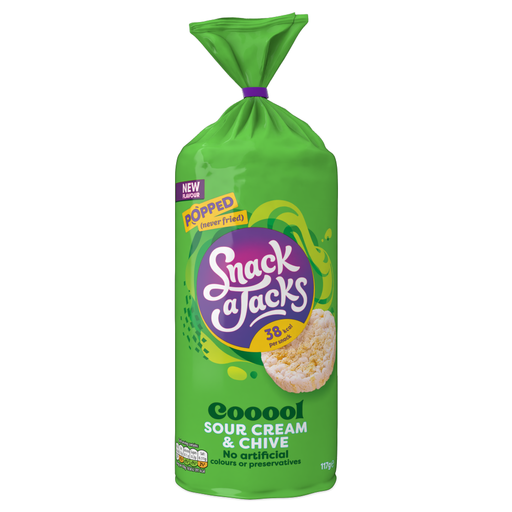 No image available
This sharing pack is an option when lunchbox portions can be prepared at home. Check the exact pack’s milk and other allergen information, and follow its instructions for storing the remainder after opening.
No. Sainsbury’s lists Kallo Organic Lightly Salted Rice Cakes as gluten free, while Tesco’s listing for the Snack a Jacks Sour Cream & Chive multipack says it may contain wheat and other cereals containing gluten. Check the exact pack’s labelling and precautionary statements.
Check the individual school’s allergy policy before packing them. England’s Department for Education says schools must publish an allergy safety policy and that food brought from home, including packed lunches, should be considered in allergy-safety arrangements.
Choose one when a sealed portion needs to go straight into the lunchbox without portioning at home. If someone can prepare a container, a standard pack offers a different routine; check how many servings each pack provides.
Follow the pack’s storage instructions and put each lunchbox portion in a suitable container. Check the instructions again when changing product or pack size rather than assuming every rice cake has the same storage guidance.
Not automatically. Sainsbury’s says its plain rice cakes are prepared to a vegan recipe but are not suitable for customers with a milk allergy because of manufacturing methods. Read the specific allergen advice alongside the dietary claim.