Households using toppings
A plain sharing pack gives several people a neutral base for breakfasts, light lunches or snacks. Check how the pack should be stored once opened if it will be used throughout the week.


Choose a plain or lightly salted sharing pack if several people will use rice cakes with different toppings during the week. Choose separate portions when snacks need to go into lunchboxes or bags; whichever format you choose, check the exact pack’s ingredients, allergy advice and storage instructions.
The useful distinction for a weekly shop is whether the pack will stay at home, travel as separate portions or need to meet a specific dietary requirement.
A plain sharing pack gives several people a neutral base for breakfasts, light lunches or snacks. Check how the pack should be stored once opened if it will be used throughout the week.
Separate inner packs make it straightforward to set aside portions for different days or bags. Check the number and weight of the inner packs rather than treating every multipack as the same size.
Check the ingredients and allergy advice for the exact flavour and pack size. A gluten-free, vegan-recipe or organic description does not replace that check, because precautionary allergen statements may still apply.
Start with how the household will use the pack, then check its format and label. A sharing pack and a multipack can serve different parts of the same weekly shop.
| Priority | What to check | Your needs |
|---|---|---|
| Pack size | Compare the total weight and any stated serving count. Consider how many people will use an opened pack before the next shop. | Several of us use rice cakes during the week, so I want a pack size we can finish while following its storage instructions. |
| Portability | Check whether the pack contains separate portions and read the weight of each one. The Sainsbury’s listing for Snack a Jacks Sour Cream & Chive describes five 19g inner packs. | For packed lunches, I want portions I can put into different bags without opening the rest of the multipack. |
| Flavour | Choose plain or lightly salted cakes for different toppings, or check the named flavour if the cakes will be eaten as they are. Read the exact variant’s ingredient list. | I use both sweet and savoury toppings, so a ready-flavoured cake may be less useful for our household. |
| Dietary information | Read the exact pack’s ingredients, dietary statements and precautionary allergen advice. Kallo says its Organic Lightly Salted cakes may contain milk, sesame and soya despite their gluten-free and vegan-friendly descriptions. | If someone in the household avoids a particular allergen, I need the allergy advice for the specific product, not a general claim about rice cakes. |
| Storage | Check the best-before date and post-opening instructions. M&S directs shoppers to keep its Lightly Salted Rice Cakes in an airtight container after opening. | When a sharing pack will be open for several days, I want to know how the maker says to store it. |
Gluten-free or vegan-recipe wording can sit alongside allergy advice that matters for a different ingredient or possible cross-contact. Kallo, for example, says its Organic Lightly Salted cakes may contain milk, sesame and soya.
Read the ingredients and allergy panel on the exact flavour and pack size you intend to buy, including any precautionary statement.
A sharing pack needs to be stored as its label directs once opened. M&S specifies an airtight container for its Lightly Salted Rice Cakes.
Before opening another pack, check its best-before date and post-opening instructions, and keep it in the conditions stated on the label.
These examples show why the exact product matters: format, flavour and allergy advice can differ within a range.
Its 135g plain rice cakes are a sharing-pack option for households using toppings.
Kallo describes its Organic Lightly Salted cakes as made with organic wholegrain brown rice and as gluten-free and vegan-friendly.
The Sour Cream & Chive multipack listed by Sainsbury’s contains five separate 19g packs.
M&S lists lightly salted rice cakes alongside other flavoured choices in its Foodhall range.
Tesco’s rice-cake listing includes an own-label 130g Lightly Salted pack.
These options include lightly salted rice cakes, ready-flavoured sharing snacks and one rice-cracker alternative. The Snack a Jacks sharing pack shown here is not the five-inner-pack multipack discussed above.
 No image available
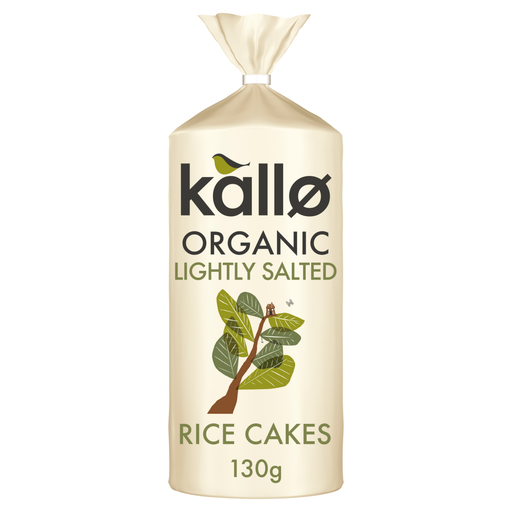
Consider this 130g lightly salted pack if you want rice cakes to use with different toppings during the week. Kallo describes its Organic Lightly Salted cakes as gluten-free and vegan-friendly, but says they may contain milk, sesame and soya; check the current pack’s allergy advice.
 No image available
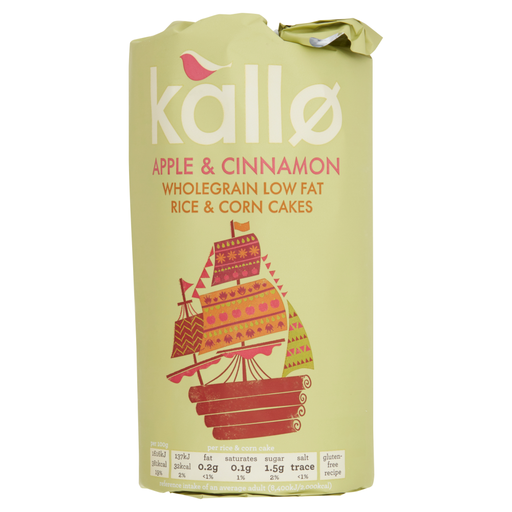
The apple and cinnamon flavour offers a ready-flavoured alternative if you do not need a neutral base for toppings. This is a 127g jumbo rice-cake pack; check its own ingredients and allergy advice rather than applying statements from another Kallo flavour.
 No image available
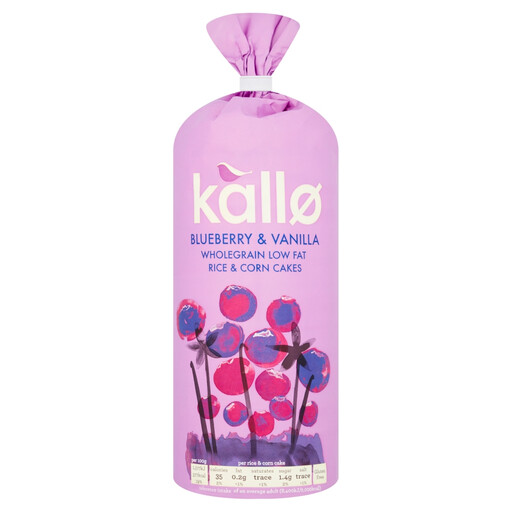
Choose this 131g rice-and-corn-cake pack if a blueberry and vanilla flavour suits how your household will eat it. For toppings or a specific dietary requirement, check this variant’s ingredients and allergy panel.
 No image available
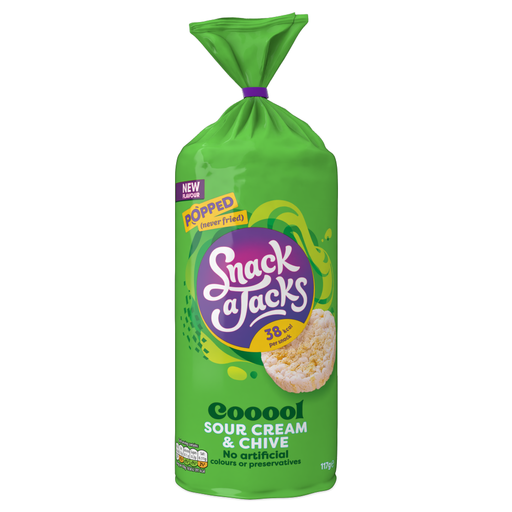
This 117g sour cream and chive product is a sharing pack for households wanting a savoury flavour. It is not the separately portioned Snack a Jacks multipack; read this exact pack’s ingredients and allergy advice.
 No image available
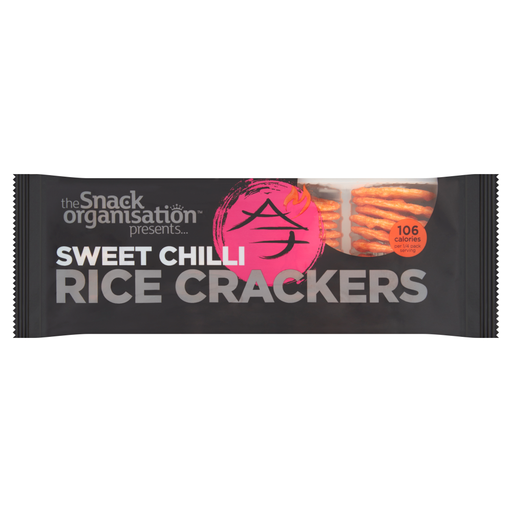
These 100g sweet chilli rice crackers are a ready-flavoured alternative, rather than plain rice cakes for toppings. Check the product label if ingredients, allergens or storage instructions affect your choice.
Not automatically. Check the exact pack’s ingredients and allergy advice: Kallo describes its Organic Lightly Salted cakes as gluten-free but says they may contain milk, sesame and soya. Sainsbury’s says its plain 135g rice cakes are not suitable for customers with a milk allergy because of manufacturing methods.
Follow the instructions on the pack you buy. For its Lightly Salted Rice Cakes, M&S specifies a cool, dry place and an airtight container after opening. A best-before date concerns quality, so check it when planning how many packs to open during the week.