Planning to recreate that spicy, satisfying tteokbokki you saw online, or perhaps a comforting bowl of hot pot with wonderfully chewy additions? Navigating the world of East Asian rice cakes can be a challenge. With different shapes, textures and origins, choosing the right packet for your recipe is key to culinary success.
This guide is designed to help UK home cooks understand the main types of chewy rice cakes available. We will explore the differences between Korean and Chinese varieties and offer practical advice to help you select the ideal product for your next meal, whether it's a sizzling stir-fry or a bubbling soup.
Your Guide to Choosing the Right Rice Cakes
Before you add a pack to your basket, consider a few key factors. The success of your dish often comes down to selecting a rice cake with the right shape, texture and preparation method for your chosen recipe.
1. Shape and Intended Use
The shape of a rice cake is its biggest clue to its primary use.
- Cylindrical (Garae-tteok): These short, thick cylinders are the classic tteokbokki rice cakes. Their shape is perfect for holding onto thick, spicy sauces and delivering a substantial, chewy bite. They are the go-to for most Korean rice cake dishes.
- Oval Slices (Tteokguk-tteok / Niangao Pian): These thin, oval discs are versatile. In Korea, they are primarily for rice cake soup (Tteokguk). In Chinese cuisine, these rice cake slices are a staple for stir-frying (Chao Niangao), as their large surface area allows them to crisp up nicely in a hot wok.
- Strips or Blocks (Niangao): Often found in block or thick strip form, these Chinese rice cakes are incredibly versatile. The strips are excellent hot pot rice cakes, as they hold their shape during long simmering. Blocks can be sliced to your desired thickness for pan-frying or soups.
2. Texture and Origin
The texture of a rice cake is determined by the type of rice used, which often varies by origin.
- Korean Rice Cakes (Tteok): Traditionally made from 100% non-glutinous short-grain rice flour (Japonica rice). This gives them their signature dense, firm and satisfyingly chewy texture that doesn't become overly sticky when cooked.
- Chinese Rice Cakes (Niangao): These can be made from either non-glutinous rice, glutinous rice or a blend of both. The inclusion of glutinous rice lends a softer, stickier and slightly less dense chew compared to their Korean counterparts. Always check the ingredients to understand the texture you can expect.
3. Storage: Frozen vs. Shelf-Stable
How the rice cakes are stored affects both convenience and texture.
- Frozen Rice Cakes: Often regarded as having a texture closer to fresh, frozen rice cakes are a fantastic option. They can be cooked directly from frozen, making them very convenient for a quick meal. They require freezer space but reward you with an excellent chewy consistency.
- Shelf-Stable (Vacuum-Packed): These are stored at room temperature and offer great convenience and a longer shelf life. They sometimes contain a preservative or alcohol packet to maintain freshness, so it is often recommended to rinse them before cooking. Some may require a brief soak in water to soften up.
Top Rice Cake Recommendations
Based on their suitability for popular dishes and clear product characteristics, here are some excellent options for your kitchen.
A+ Hosan Chopped Rice Cake (Tteokboki) 500g

- Why It Stands Out: These are authentic Korean rice cakes made in South Korea from 100% rice. Their pre-chopped, cylindrical shape is specifically designed for making classic tteokbokki. As they are frozen rice cakes, they retain a firm, chewy texture that cooks up beautifully in minutes.
- Pros:
- Made from 100% rice for an authentic Korean texture.
- Conveniently pre-cut and cooks directly from frozen.
- Absorbs spicy and savoury sauces perfectly without becoming mushy.
- Who is it for: Anyone wanting to make authentic tteokbokki rice cakes at home. Its convenience and quality make it ideal for both beginners and seasoned cooks of Korean food.
Hongrui Xing Water-Milled Rice Cake Slices 400g
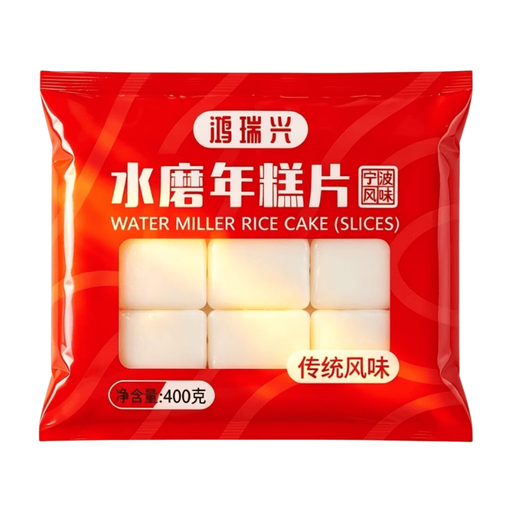
- Why It Stands Out: These are classic Chinese rice cake slices, perfect for creating dishes like Shanghai stir-fried rice cakes. Made with a blend of glutinous (27%) and japonica rice, they offer a softer chew that becomes delightfully crispy on the outside when pan-fried.
- Pros:
- Ideal oval shape for stir-fry rice cakes.
- The blend of rice provides a soft, slightly sticky texture.
- Shelf-stable for easy pantry storage.
- Who is it for: Home cooks looking to make Chinese pan-fried or stir-fried rice cake dishes. Their texture is specifically suited for frying in a wok with meat and vegetables.
Hong Rui Xing Hot Pot Rice Cake Strips 400g
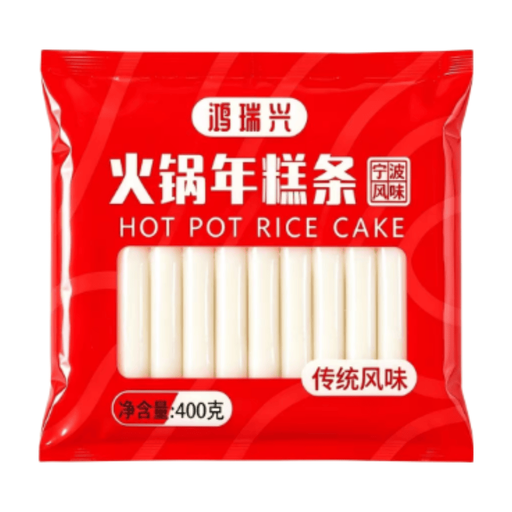
- Why It Stands Out: Specifically designed for hot pot, these thick hot pot rice cake strips are engineered to withstand prolonged cooking in a simmering broth. They absorb the flavours of the soup base while maintaining a satisfyingly soft and chewy texture, making them a fantastic addition to any communal meal.
- Pros:
- Thick strip shape holds up well in soups and hot pots.
- Becomes wonderfully soft and chewy after simmering.
- Made with a blend of rice for an authentic Chinese rice cake experience.
- Who is it for: Hot pot lovers. If you want a substantial, flavour-absorbing carbohydrate for your next hot pot night, these are an excellent choice.
Looking for Other Options?
Didn't find the exact type of rice cake you were looking for? We are constantly updating our selection of authentic ingredients. While you're here, feel free to explore our wider range of pantry staples, including specialty items for both Asian cuisine and European baking, such as our collection of pastry baking beans.
Frequently Asked Questions
1. How do you cook frozen rice cakes? For most frozen rice cakes, there is no need to thaw them. For soups or stir-fries with sauce, you can add them directly to the boiling liquid. They typically cook in 5-7 minutes, becoming soft and tender. For pan-frying, it can be helpful to first boil them for 1-2 minutes until softened, then drain them well before adding to the pan.
2. What is the main difference between Korean and Chinese rice cakes? The primary difference lies in the ingredients and resulting texture. Korean rice cakes (tteok) are usually made from 100% non-glutinous rice, giving them a dense and very chewy quality. Chinese rice cakes (niangao) often incorporate glutinous rice, which results in a softer, stickier and slightly less dense texture.
3. How can I prevent my rice cakes from sticking together? To prevent sticking, ensure you add the rice cakes to a liquid (water, broth or sauce) that is already boiling. Stir them occasionally as they cook. If using shelf-stable rice cakes that feel sticky, giving them a quick rinse under cold water before cooking can also help separate them. Avoid overcooking, as this can cause them to become mushy and stick together.


