
24/7 Customer Support

Free returns

Same-day & Next-day Delivery

Quality Guaranteed

Unlock Your Welcome Offers: FREE Delivery | Up to 80% OFF | Free 30-day JoyPlus trial
Download the APP
Rice crackers are a convenient cupboard staple for work breaks, lunchboxes, picnics and sharing plates. However, packaging can make very different products appear similar. A lightly salted rice cake, a Japanese rice cracker, a wheat-based crispbread and a gluten-free cracker all offer crunch, but their ingredients, allergen status, nutrition and intended use can vary considerably.
This guide from the Joybuy Product Recommendation Officer focuses on the details that matter when choosing rice crackers in the UK, including dietary suitability, flavour, toppings, pack size and storage.
Rice may be the main ingredient, but seasoning, sauces and manufacturing facilities can introduce other allergens. For example, Rishodo Rice Cracker contains soybeans, while The Snack Organisation’s Sweet Chilli Rice Crackers contain milk and soya. Some rice cakes may also be made in facilities handling milk, sesame or soya.
If you have coeliac disease or need to avoid gluten strictly, check the specific “free from” statement, allergen declaration and packaging information rather than relying on the product name. Wheat-based crispbread, such as Ryvita Crackerbread, is not suitable for a gluten-free diet.
Puffed and baked snacks often feel airy, but the nutrition panel still matters. Rishodo Salad Flavour Rice Crackers provide 567 kcal per 100g, partly because the product contains 36.7g of fat per 100g. By contrast, plain Kallo Organic Lightly Salted Rice Cakes list 394 kcal and 2.7g of fat per 100g.
Portion size also changes the picture. A Snack A Jacks Jumbo Sour Cream & Chive Rice Cake contains 38 kcal per cake, while a 25g serving of The Snack Organisation Sweet Chilli Rice Crackers provides 106 kcal. Compare both the per-100g and per-serving figures before choosing snacks for everyday eating.
Strong barbecue, chilli or sweet flavours can work well on their own but may clash with dips and toppings. Neutral crispbread and lightly salted rice cakes are more adaptable for avocado, hummus, vegetables, soft cheese or nut butter.
Consider where you will eat the product. Individually portioned Japanese rice crackers can suit office drawers and packed lunches, while a sturdier crispbread may be more practical for toppings or canapé-style serving.
Look for clear information covering:
For a wider selection, browse the gluten-free crackers range.
Use the nutrition table to compare energy, fat, saturates, sugars, fibre, protein and salt. A plain product may have fewer added flavourings, but that does not automatically make it nutritionally superior. For example:
These are different product types, so compare like with like and consider how many pieces you normally eat.
A thin crispbread may be suitable for toppings but can soften if stored in an open packet. Rice crackers and rice cakes should be kept in a cool, dry place, away from humidity and direct heat. Once opened, reseal the bag or use an airtight container to help preserve the crunch.
Check the pack size against your household. Options range from 100g snack packs to 200g crispbread packs, while individually portioned formats can help with convenient serving control.
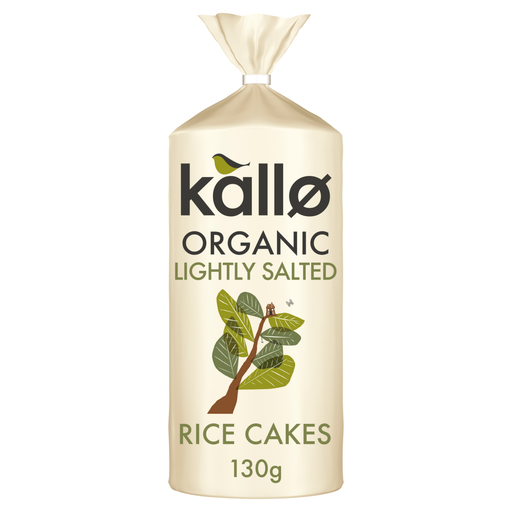
Why This Fits Their Persona: A simple everyday option for shoppers wanting a plain base for sweet or savoury snacks, with 27 kcal listed per rice cake.
The short ingredient list makes it easier to check what you are buying instead of assuming a flavoured snack is automatically lighter.
Organic wholegrain rice; 2.7g fat per 100g; suitable for vegetarian and vegan diets, subject to the stated cross-contamination information.
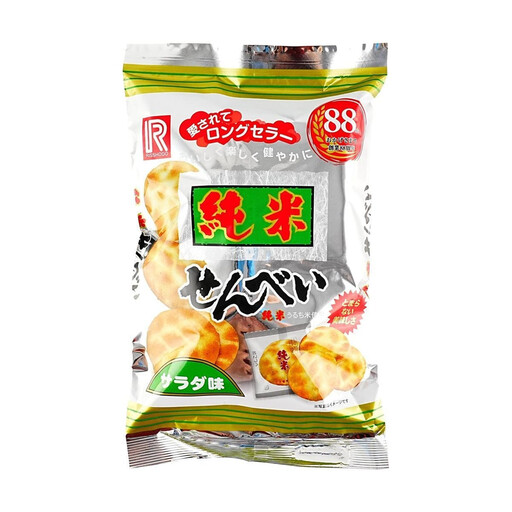
Why This Fits Their Persona: Suitable for shoppers seeking a Japanese rice cracker format with individual portions for office breaks or sharing.
The pack states ten individually portioned pieces, making the serving format clear rather than leaving portion expectations to the buyer.
115g pack; baked rice snack; salad flavour; individual pieces for convenient carrying.

Why This Fits Their Persona: A practical choice for people needing gluten-free crispbread for toppings, lunch plates and repeat weekday use.
Its allergen information states no allergens and identifies a corn and rice flour recipe, while still advising shoppers to check the current pack.
150g pack; 5g fibre per 100g; neutral flavour designed for savoury or sweet toppings.
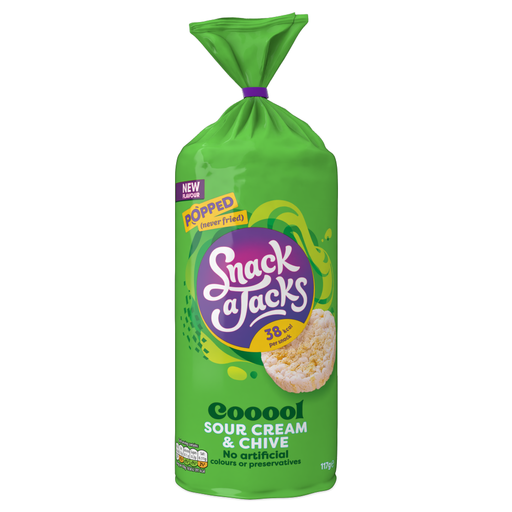
Why This Fits Their Persona: Large rice cakes and a savoury flavour suit shared snack plates, lunchboxes and desk drawers.
The nutrition panel gives a per-cake figure of 38 kcal, helping shoppers understand the portion rather than relying on “light” packaging language.
Vegetarian; 117g sharing pack; sour cream and chive seasoning; 0.3g fat per cake as listed.
We have compiled a complete, real-time list of products that fully satisfy these strict selection criteria and UK safety regulations.
Some are, but not all. Products made with rice or corn can still contain wheat, barley, rye, soya or other allergens through ingredients or manufacturing. If you have coeliac disease, select a product with a clear gluten-free declaration and review the latest packaging information before eating.
Some plain rice cakes contain less fat per 100g than wheat crackers, but this varies by recipe. Kallo Organic Lightly Salted Rice Cakes list 2.7g fat per 100g, whereas Schär Gluten Free Salti Crackers list 15g. Flavoured products can also contain added oils, seasoning and sugar, so check the full nutrition panel.
Keep them in a cool, dry place and protect them from humidity. Reseal the original packaging or transfer the contents to an airtight container. Follow the product’s own instructions, particularly for rice cakes that recommend consumption within a stated period after opening.