
24/7 Customer Support

Free returns

Same-day & Next-day Delivery

Quality Guaranteed

Unlock Your Welcome Offers: FREE Delivery | Up to 80% OFF | Free 30-day JoyPlus trial
Download the APP
Rice crackers are convenient, shelf-stable and available in flavours ranging from lightly salted Japanese-style snacks to fiery Thai and Sichuan-inspired varieties. However, the product name alone does not tell you whether a pack suits your dietary needs, preferred texture or intended use.
The main buying pitfalls are often hidden in the seasoning, pack format and serving information. Use the checks below to compare Asian rice crackers more carefully before adding them to your basket.
Rice itself does not contain gluten, but seasonings may include soya sauce made with wheat, wheat flour or barley. Some products use gluten-free soya sauce, while others clearly list wheat or state that traces may be present.
For example, a rice cracker made with sticky rice may still contain soya sauce powder, and glutinous rice crackers can include wheat-containing seasoning. Always read the complete ingredient list and allergy advice rather than relying on terms such as “rice-based” or “Asian-inspired”.
Non-fried rice snacks may be puffed or baked, but they can still contain palm oil, vegetable oil and concentrated seasoning. Compare the per-100g energy and fat figures, not just the front-of-pack description.
For reference, the supplied products range from 391 kcal to 567 kcal per 100g. Portion size also matters: a large sharing bag can make it easy to eat considerably more than a small individual pack.
Crispy rice snacks absorb moisture quickly. A large bag may offer a lower cost per gram, but it needs careful resealing after opening. Individually wrapped Japanese rice crackers or a rice cracker multipack can be more practical for office drawers, lunchboxes and controlled portions.
Check whether the product is ready to eat, whether individual portions are included and how quickly it should be consumed after opening.
Look for the percentage of rice or millet, the type of oil and the seasoning ingredients. Common allergens in flavoured rice crackers include:
Under UK food labelling requirements, allergens should be emphasised in the ingredients list. If you have an allergy or need to avoid gluten, check the current packaging and manufacturer information before eating, as recipes and precautionary statements can change.
“Spicy” can mean anything from a mild chilli note to a numbing Sichuan pepper sensation. Japanese rice crackers may use shichimi, seaweed or soya-based seasoning, while Thai rice crackers often combine sweet, salty and chilli notes.
For a more restrained snack, lightly salted or honey soya flavours may be suitable. Spicy rice crackers, mala varieties and wasabi-seasoned options are more appropriate for shoppers who actively enjoy heat. Families may prefer a mixed rice cracker multipack so that different tastes are available without buying several full-size bags.
Use the net weight to compare value:
Nutrition panels differ considerably. The Rishodo Salad Flavour pack lists 0.4g salt per 100g, while the Lai Yifen Glutinous Rice Crisps list 2.5g. Neither figure should be inferred from the flavour name alone. Compare calories, fat, saturates, sugars and salt per 100g, then consider how much you are likely to eat.
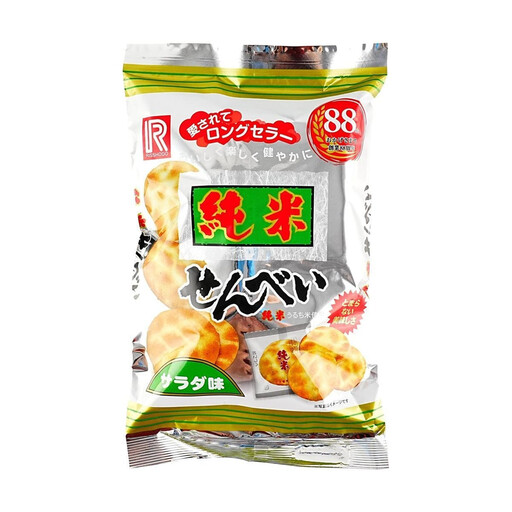
Why This Fits Their Persona: Ten individually portioned pieces make this a practical introduction to Japanese rice crackers for office breaks, lunchboxes or occasional snacking.
The 115g pack clearly states its portion format, while the ingredient list identifies soya as an allergen.
Ten separate pieces; 0.4g salt per 100g according to the supplied nutrition information.
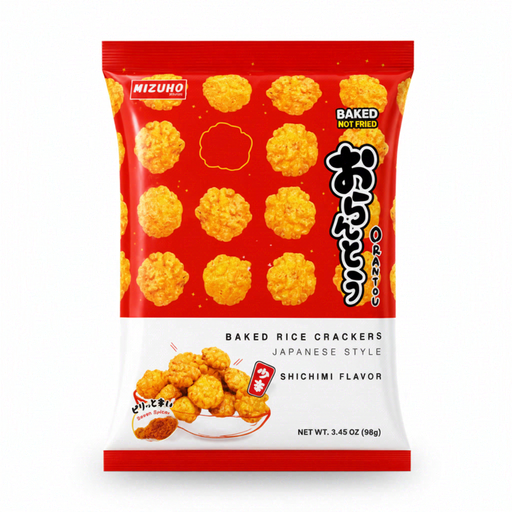
Why This Fits Their Persona: Shichimi seasoning brings chilli, citrus peel, sesame, seaweed and Japanese sansho pepper to a compact Thai-made snack.
The seasoning components are listed, and the product identifies possible traces of fish, milk, nuts, mustard, sesame, shellfish and molluscs.
Uses gluten-free soya sauce in the listed ingredients; supplies 7.2g protein per 100g.
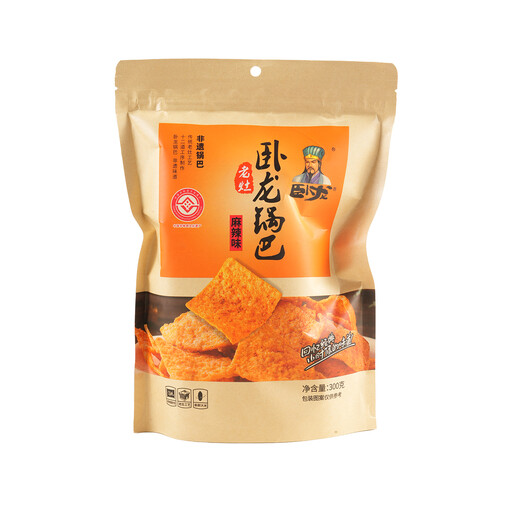
Why This Fits Their Persona: The 300g bag is designed for frequent snackers, sharing at gatherings or pairing with drinks during a film night.
The product description specifies a non-fried, low-temperature baking process and advises keeping the bag sealed after opening.
At least 65% millet; 472 kcal and 15.6g fat per 100g in the supplied nutrition panel.
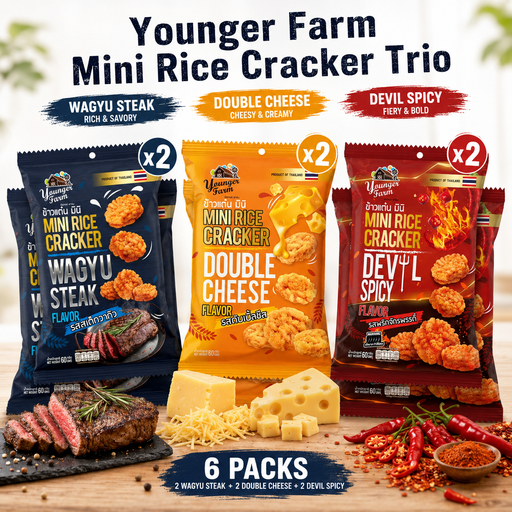
Why This Fits Their Persona: Six 60g packs provide Wagyu Steak, Double Cheese and Devil Spicy flavours for households, parties or snack drawers.
The mixed format lets shoppers compare flavours without committing to several large bags; allergen information differs between varieties and should be checked individually.
Three listed flavours; six separate 60g packs suitable for sharing and storage.
We have compiled a complete, real-time list of products that fully satisfy these strict selection criteria and UK safety regulations.
Some are, but not all. Products made mainly from rice or millet may still contain wheat, barley or standard soya sauce. Check the allergen statement and look for a clear gluten-free declaration where relevant. Products can also carry precautionary “may contain” information.
Keep unopened packs in a cool, dry place away from direct sunlight. After opening, reseal the bag or transfer the crackers to an airtight container. Moisture causes the texture to soften, so follow any instruction about consuming the product within a specified number of days.
Individually portioned Japanese rice crackers and smaller ready-to-eat snacks are convenient for lunchboxes. For young children, consider the size and firmness of the pieces, supervise eating where appropriate and check the packaging for age-related warnings.