
24/7 Customer Support

Free returns

Same-day & Next-day Delivery

Quality Guaranteed

Unlock Your Welcome Offers: FREE Delivery | Up to 80% OFF | Free 30-day JoyPlus trial
Download the APP
As a Joybuy Product Recommendation Officer, my role is to help you navigate the crowded snack aisle. Rice crackers have become a staple in many UK households, seen as a lighter alternative to traditional crisps. However, not all crackers are created equal. The packaging can promise authentic Asian flavours and wholesome goodness, but the reality can sometimes be a bland, overly salty or stale disappointment. Let's look at how to choose wisely.
The world of rice crackers is vast, spanning everything from classic Japanese rice crackers to fiery Thai snacks. This variety is exciting, but it also creates a few common pitfalls for shoppers.
To avoid these issues and find a truly satisfying savoury snack, focus on a few key details on the packaging. This will help you distinguish between a premium product and a cleverly marketed one.
The foundation of any good rice cracker is, of course, the rice. Look for products that list rice as the first ingredient. Some crackers use different types, such as brown rice, glutinous rice or even millet, which can alter the texture and flavour.
Pay close attention to the oil used. Rice bran oil is a common choice in many authentic Asian snacks and is generally considered a good option. Also, check how the flavour is achieved. Are there real spices, herbs or sauces like soy sauce listed, or is it just a generic "seasoning" or "flavouring"? For those with dietary needs, this is also where you can confirm if a product is a genuine gluten-free cracker, but always double-check the allergen warnings for "may contain" statements.
The country of origin can give you a clue about the flavour profile.
seaweed crackers (nori). They are typically baked or grilled and have a firm, satisfying crunch.spicy rice crackers that use Sichuan peppercorns for a unique numbing heat.Understanding these regional differences helps you select a cracker that matches your taste preference, whether you want something mildly savoury or intensely spicy.
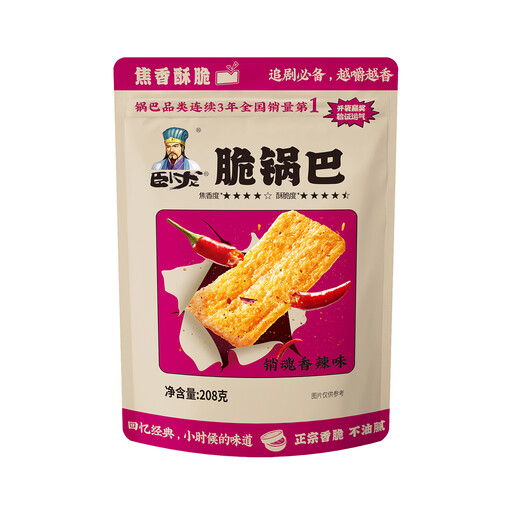
Why This Fits Their Persona: For the snacker who is tired of "mildly spicy" and wants a genuine kick. This cracker is designed for those who actively seek out intense, fiery flavours in their snacks, making it a perfect choice for a bold movie night treat or pairing with a cold drink.
It directly counters the "flavour fa?ade" pitfall. Instead of a generic spicy powder, the ingredients list real chilli and spices, delivering a rich and authentic heat that lives up to its name.
The use of a multi-grain blend (corn, wheat, millet and soybean) provides a more complex and robust texture than a standard rice-only cracker.
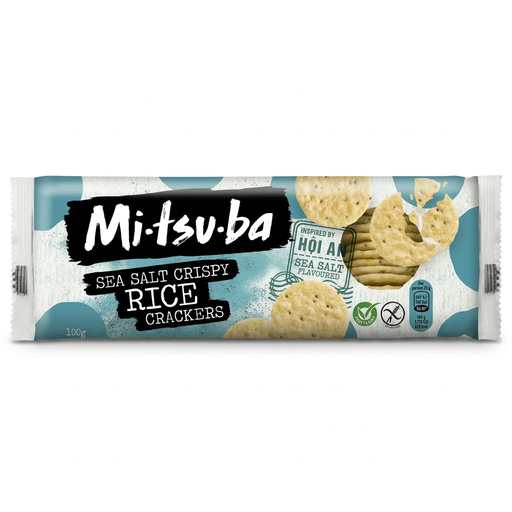
Why This Fits Their Persona: Ideal for the UK consumer who reads labels carefully. This person wants a simple, clean snack without unnecessary additives, making it a perfect base for toppings like avocado or hummus, or just to enjoy on its own.
This cracker sidesteps the "healthy halo" trap by being genuinely transparent. It is explicitly free from MSG and palm oil, and its simple ingredient list backs up its wholesome positioning.
It is baked, not fried, and made with brown rice and chia seeds. This provides a more considered nutritional profile compared to standard white rice crackers.
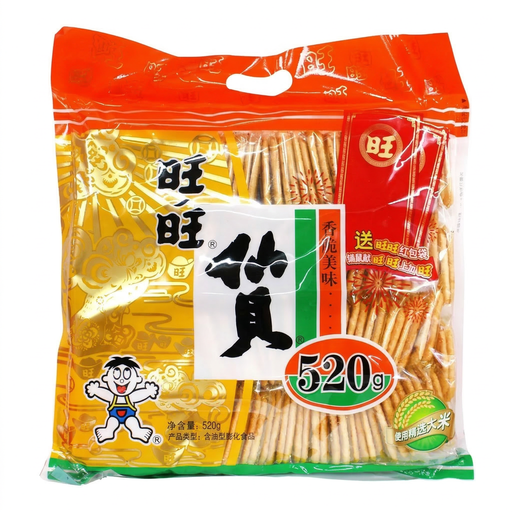
Why This Fits Their Persona: Perfect for busy UK families needing a reliable, crowd-pleasing snack. The large pack size offers excellent value, and the individually wrapped portions are ideal for lunchboxes, after-school snacks or portion control.
It avoids the "texture tumble" by design. The brand is known for its consistent, satisfying crunch, and the 88 individual twin-packs ensure every cracker stays fresh until it's opened.
The classic, lightly salted soy flavour is a hallmark of traditional Japanese rice crackers and has a broad appeal that isn't too overpowering for children or adults.
We have compiled a complete, real-time list of products that fully satisfy these strict selection criteria and UK safety regulations.
The key to maintaining that perfect crunch is to limit air exposure. Once a packet is opened, transfer the remaining crackers to an airtight container. Store them in a cool, dry place like a pantry, away from direct sunlight and any sources of moisture. The individual wrapping on some products, like the Want Want Senbei, is also very effective at preserving freshness.
This is a common misconception. While the primary ingredient is rice, many traditional Japanese rice crackers are seasoned with soy sauce, which contains wheat. If you require a gluten-free cracker, it is essential to look for products that explicitly state they are gluten-free or use tamari (a type of soy sauce made without wheat). Always check the allergen information on the label.
While both are made from rice, their texture and typical usage differ. Rice crackers are generally thin, crispy and heavily seasoned, designed to be eaten as a standalone savoury snack. Rice cakes are usually thicker, puffier and very lightly salted. Their plainer profile makes them an ideal, sturdy base for various sweet or savoury toppings.