
24/7 Customer Support

Free returns

Same-day & Next-day Delivery

Quality Guaranteed

Unlock Your Welcome Offers: FREE Delivery | Up to 80% OFF | Free 30-day JoyPlus trial
Download the APP
Choosing rice and grains is rarely as simple as picking the largest bag or the product with the most attractive health claims. The right option depends on how often you cook, the texture you prefer, your dietary requirements and whether the grain suits the recipe.
For UK households, Asian cuisine enthusiasts, vegetarians, vegans and catering businesses, three common shopping traps are worth avoiding.
Long-grain basmati, fragrant jasmine rice and short-grain sushi rice have different textures and cooking behaviour. Basmati is generally selected for separate grains in pilau and biryani, while sushi rice is intended to become cohesive and slightly sticky. Substituting one for another can produce disappointing results, even when the cooking method is followed correctly.
Bulk rice can offer practical value for large households, restaurants and meal preparation, but a 5kg or 10kg bag needs suitable storage. Once opened, keep rice and grains in a cool, dry place, tightly sealed and away from moisture, heat and direct sunlight. A smaller 300g–1kg pack may be more sensible if you cook occasionally or have limited cupboard space.
Rice is naturally gluten-free, but mixed grain products, seasonings and manufacturing conditions can change the allergen information. Barley and bulgur wheat are cereals containing gluten, while quinoa and several plain rice products may be labelled gluten-free. Always check the current packaging, ingredients and allergen statement, particularly when cooking for someone with an allergy or coeliac disease.
Match the grain to the dish rather than relying on general descriptions.
Compare the price per kilogram, not only the shelf price. A 10kg bag may reduce repurchasing for a large family or catering operation, while a 300g–500g pack limits waste when trying an unfamiliar grain.
Consider how much cupboard space you have and whether you can reseal the product properly. A 1kg bag of jasmine or brown rice is often a manageable starting point for smaller households, whereas bulk rice is more suitable for frequent cooking.
Plain products with one listed ingredient are easier to assess. For example, the Laila basmati products list 100% pure basmati rice, while the barley flour product lists barley and identifies gluten in its allergen information. Some products may include additional ingredients: the Little Angel Thai Black Jasmine Rice listing includes coconut extract, natural flavours and salt, and states that it may contain soya, wheat, peanuts and nuts.
Follow the pack’s water ratio, rinsing instructions and resting time. Rice and grains should be cooked thoroughly, served piping hot and handled according to the packaging guidance. For cooked rice, avoid leaving leftovers at room temperature for extended periods and follow the product’s reheating instructions.
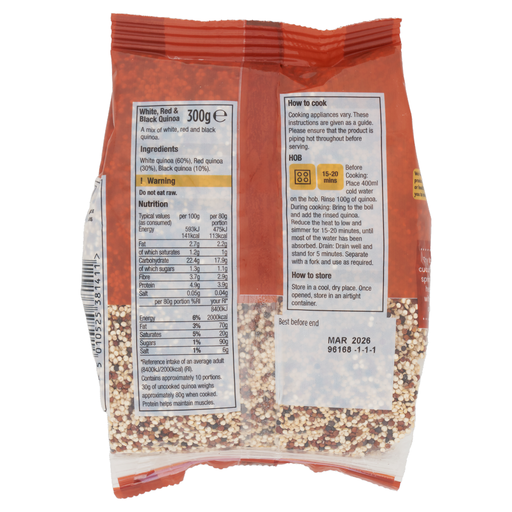
Why This Fits Their Persona: The 300g pack lets smaller households try quinoa without committing to a large quantity. It works in salads, grain bowls and as an alternative to rice or couscous.
Its clearly stated 300g quantity avoids overbuying, while the ingredient blend and allergen information help you check suitability before purchase.
White, red and black quinoa provide varied colour and texture; the pack is labelled free from cereals containing gluten.
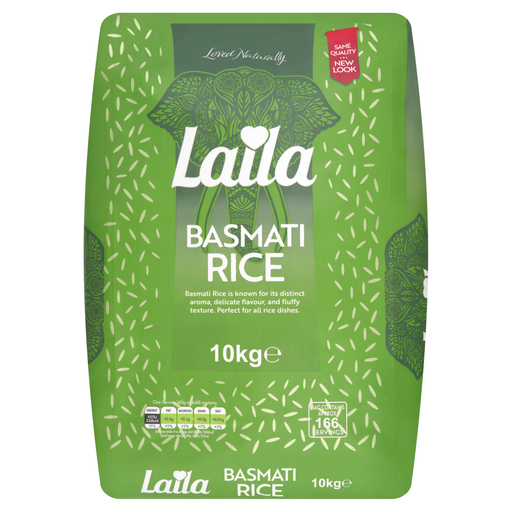
Why This Fits Their Persona: Regular home cooks who prepare curries, pilau or biryani can keep a substantial supply of long-grain basmati rice available for frequent meals.
The listing identifies the product as 100% pure basmati rice and provides storage and cooking safety guidance rather than relying only on broad quality language.
10kg quantity suits frequent cooking; the listed ingredient is 100% basmati rice and no allergens are stated.
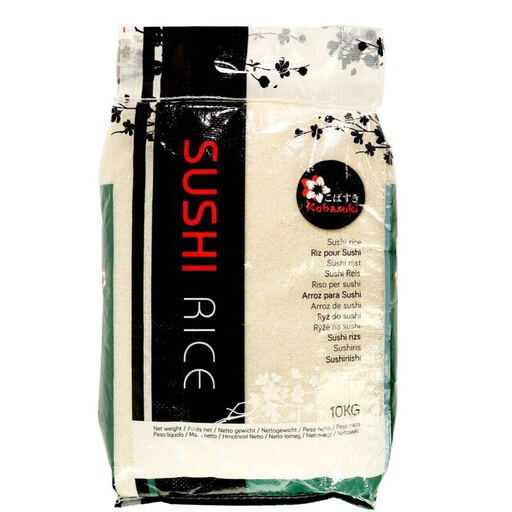
Why This Fits Their Persona: Sushi makers, restaurants, caterers and large families need a short-grain rice designed for cohesive sushi, rice bowls and Japanese dishes.
The product is specifically identified as sushi short-grain rice, avoiding the common mistake of using a long-grain variety for recipes requiring stickiness.
10kg format suits catering and regular sushi preparation; the listing states that it is naturally gluten-free and suitable for vegans.
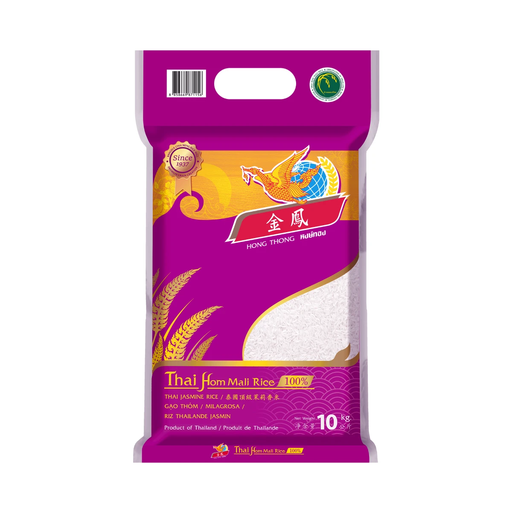
Why This Fits Their Persona: This family-size Thai jasmine rice suits households that regularly serve rice with stir-fries, curries and plant-based meals.
The listing gives a defined rice type, stated 10kg quantity and dietary information, making it easier to compare with smaller Asian rice packs.
The product is listed as 100% Thai Hom Mali rice and suitable for vegans and vegetarians; the large pack is practical for frequent cooking.
We have compiled a complete, real-time list of products that fully satisfy these strict selection criteria and UK safety regulations.
Jasmine rice is commonly selected for softer, fragrant rice served with stir-fries and curries. Basmati is more suitable when you want longer, separate grains for pilau, biryani or curry side dishes. Check the pack’s instructions, as water ratios vary between products.
It can reduce the cost per kilogram, but only when the rice will be used before its quality declines and it can be stored securely. Compare the unit price, cupboard space and likely cooking frequency before choosing a 5kg or 10kg bag.
No. Plain rice, quinoa and some millet products may be labelled gluten-free, but barley and bulgur wheat contain or may contain gluten. Mixed products can also include additional allergens. Read the latest packaging each time, particularly when buying for a gluten-free household.