
24/7 Customer Support

Free returns

Same-day & Next-day Delivery

Quality Guaranteed

Unlock Your Welcome Offers: FREE Delivery | Up to 80% OFF | Free 30-day JoyPlus trial
Download the APP
From a fragrant curry to a perfectly baked cake, the humble contents of your pantry are the foundation of countless meals. Yet, navigating the aisles of rice, grains and flour can be surprisingly complex. With so many varieties, pack sizes and marketing claims, it is easy to end up with the wrong product for your recipe or pay more than you need to. As your Joybuy Product Recommendation Officer, my role is to help you see past the hype and make informed choices for your kitchen.
Before you fill your basket, let’s look at a few common pitfalls that UK home cooks encounter:
To ensure you get the right product every time, focus on these core parameters. They are the key to unlocking consistent results in your cooking and baking.
The most crucial factor for rice is its grain type, which dictates its cooked texture.
Flour is not a single entity. The type of wheat and the milling process determine its protein content and best use.
To help you choose, we have matched some reliable pantry staples to different types of home cooks.
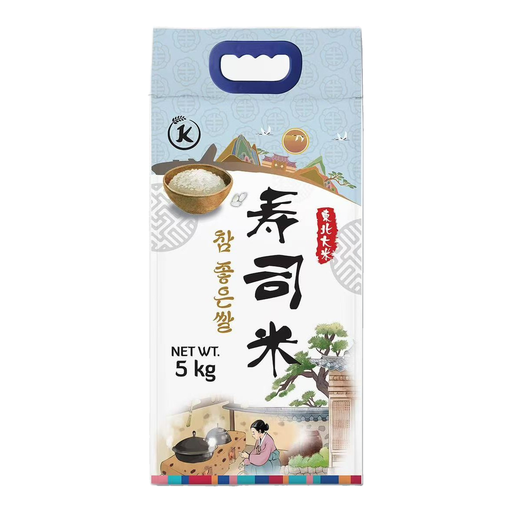
Why This Fits Their Persona: For the home cook dedicated to mastering Japanese cuisine, having the right rice is non-negotiable. This sushi rice provides the authentic sticky and tender texture needed for perfect sushi rolls and onigiri, while the 5kg bulk rice bag is ideal for those who cook it regularly.
This directly solves the "one-size-fits-all" fallacy. Using a dedicated short-grain rice prevents the disappointment of sushi falling apart, a common issue when using standard long-grain varieties.
Delivers consistent, cohesive texture essential for Japanese dishes. The large pack size offers good value for enthusiasts.
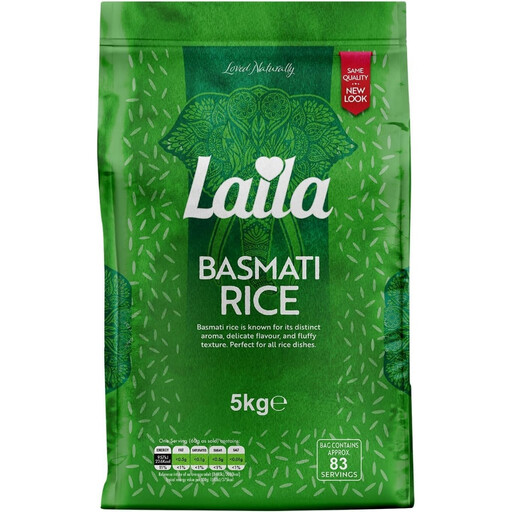
Why This Fits Their Persona: For households that get through a lot of rice, this 5kg bag of basmati rice is a practical and economical choice. It is a versatile staple that works for everything from a weeknight curry to a simple side, providing consistent quality for everyday family meals.
This purchase directly counters the "convenience cost trap." Buying in bulk offers a much lower cost-per-serving compared to smaller boxes, saving money and reducing the frequency of shopping trips.
Aromatic and cooks into fluffy, separate grains. The large pack size provides excellent value for families and frequent cooks.
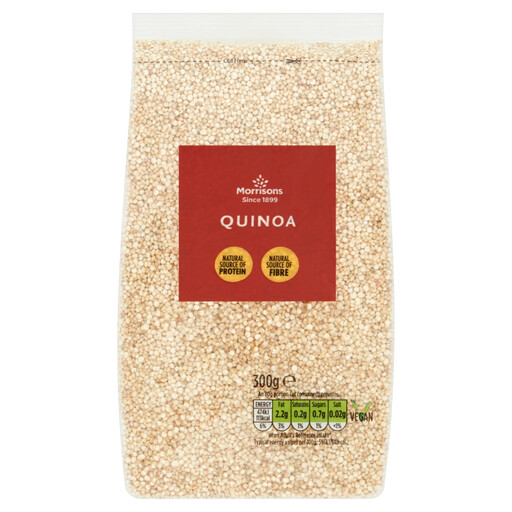
Why This Fits Their Persona: For those seeking a nutritious alternative to traditional grains, quinoa is an excellent choice. It is a source of plant-based protein and high in dietary fibre, making it a satisfying addition to salads, grain bowls or as a substitute for rice or pasta.
This avoids vague labelling by being exactly what it says it is: 100% quinoa. There are no hidden additives or misleading health claims, just a straightforward, nutrient-dense grain.
A versatile, gluten-free grain that is a natural source of protein and fibre. It cooks quickly, making it suitable for healthy meal prepping.
We have compiled a complete, real-time list of products that fully satisfy these strict selection criteria and UK safety regulations.
While both are long-grain aromatic rices, they have distinct characteristics. Basmati rice, primarily from India and Pakistan, has a nutty aroma and cooks into very long, dry and separate grains, making it perfect for biryani and pilau. Jasmine rice, from Thailand, has a more floral scent and a softer, slightly stickier texture, which helps it cling to sauces in Southeast Asian dishes.
To protect your investment in a bulk rice or flour purchase, proper storage is key. Keep it in a cool, dark and dry place. Once the original packaging is opened, transfer the contents to a large, airtight food-grade container. This protects it from moisture, which can cause mould; pests; and absorbing other odours from your pantry.
Plain flour is a versatile workhorse, but it is not a universal solution. Its moderate protein content is ideal for cakes, pastries and thickening sauces. However, for chewy, rustic bread, you need a strong bread flour with higher protein to develop gluten. For exceptionally light and airy sponges, self-raising flour, which contains added leavening agents, will give you a much better rise. Using the right flour is crucial for the desired texture.