
24/7 Customer Support

Free returns

Same-day & Next-day Delivery

Quality Guaranteed

Unlock Your Welcome Offers: FREE Delivery | Up to 80% OFF | Free 30-day JoyPlus trial
Download the APP
Rice noodles are a useful cupboard staple for quick stir-fries, Vietnamese noodle bowls, Thai dishes and comforting soups. However, choosing the wrong type can leave you with broken strands, a sticky texture or noodles that do not suit the recipe you had planned.
The main challenge is that similar-looking packs can vary considerably. Rice vermicelli, rice sticks and flat rice noodles are not interchangeable in every dish. This guide explains the practical differences and highlights suitable options for UK home cooks.
“Vermicelli” describes the shape rather than the ingredient. Some products are made from rice, while others use sweet potato starch or wheat-based ingredients. For example, Haidilao Fresh Vermicelli Noodles are made with sweet potato starch, water and salt. They may work well in hot pot and soups, but they are not rice noodles.
Pine Tree Thai Rice Vermicelli also requires particular attention because its product information lists cereals containing gluten. If you need gluten-free noodles, read the full ingredient and allergen statement rather than relying on the word “rice” or “vermicelli” on the front of the pack.
Fine rice vermicelli is suitable for spring rolls, Vietnamese noodle salads and delicate broths. Wider rice sticks provide more bite and are more appropriate for Pad Thai or robust stir-fries. Flat 10mm noodles are better suited to dishes such as Pad See Ew, Chow Fun or Char Kway Teow.
A noodle that is too fine may become soft when cooked in a hot sauce. A wide noodle may overpower a light soup or be difficult to fit into spring rolls.
Dried rice noodles are not ready to eat. Depending on the width, they may require soaking in warm water, soaking in hot water or boiling. Over-soaking can cause sticking and breakage, while under-soaking can leave a firm centre.
Check whether the pack is dried, fresh or ready-prepared, and follow the stated instructions. Cooking times vary between products, even when the noodle width appears similar.
Use the following guide as a starting point:
The stated measurement is more useful than broad descriptions such as “authentic” or “restaurant-style”.
For a simple rice noodle, the ingredient list may contain rice or rice flour and water, sometimes with salt, tapioca starch or brown rice flour. These ingredients affect texture but do not automatically confirm dietary suitability.
For gluten avoidance, look for a clear gluten-free statement where appropriate and check the allergen declaration. A product can contain rice but still be made in a facility handling cereals containing gluten. Vegan shoppers should also check for egg, fish or other animal-derived ingredients, particularly in flavoured or instant noodle products.
A 400g pack is practical for regular family cooking, while smaller packs can reduce waste if you only prepare noodles occasionally. Larger rice noodle bundles, such as a 908g pack, can suit frequent cooks but need to be sealed carefully after opening.
Fresh noodles usually reduce soaking time but may need refrigeration or prompt use. Dried rice noodles offer convenient ambient storage, provided they are kept away from moisture and strong odours.
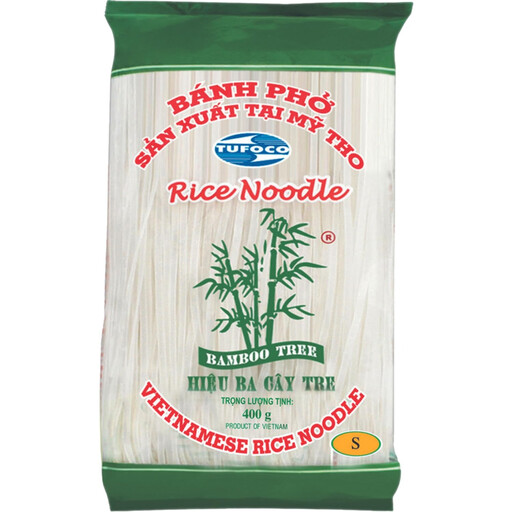
Why This Fits Their Persona: A versatile 400g pack for UK cooks trying stir-fries, salads and noodle soups without buying several different widths.
The stated 3mm width and clear soaking instructions make it easier to match the noodle to the recipe.
Rice, water and salt ingredients; suitable for stir-fries, salads and soups; allergen information lists none.
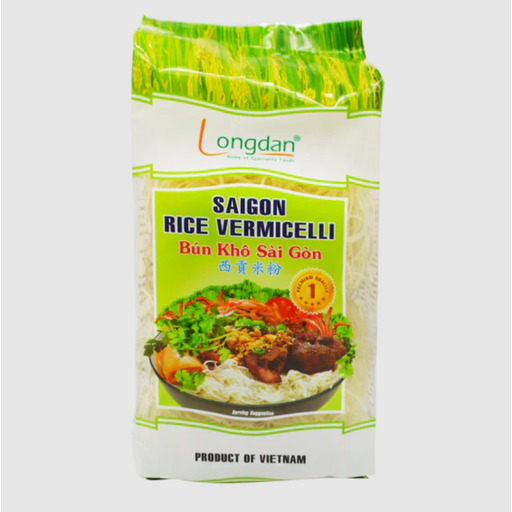
Why This Fits Their Persona: A fine Vietnamese-style vermicelli for cooks preparing bún chả, fresh spring rolls, noodle salads or lighter meals.
The listed 1mm thickness clarifies that this is a delicate vermicelli rather than a wide noodle for heavy wok cooking.
Made with rice and water; 400g pack; product information lists no allergens and states it is suitable for vegans.
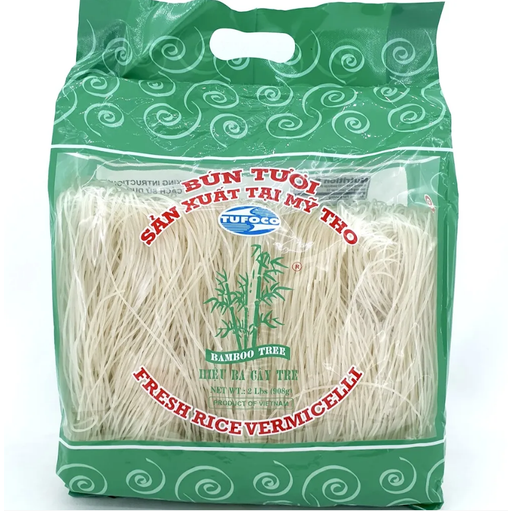
Why This Fits Their Persona: A larger format for households making Vietnamese noodle bowls, salads, soups or stir-fries regularly.
The pack gives a stated 1.2–1.4mm range and preparation guidance for soups, salads and stir-fries.
908g net quantity; rice listed as the ingredient; product information lists no allergens and requires cooking before consumption.
We have compiled a complete, real-time list of products that fully satisfy these strict selection criteria and UK safety regulations.
Many plain rice noodles made from rice and water are suitable for a gluten-free diet, but this is not automatic. Check the allergen statement, production advice and packaging. Products containing wheat, cereals containing gluten or shared-facility warnings require particular care.
Unopened dried rice noodles generally have an ambient shelf life until the date printed on the packaging. Once opened, keep them sealed in a cool, dry place and follow the product’s specific guidance. Discard noodles with mould, unusual odour, insect damage or moisture-related spoilage.
Medium rice sticks around 3–5mm are generally more suitable for Pad Thai than very fine vermicelli. Check the preparation instructions carefully: some products need soaking before being added to the wok, while others require brief boiling first.