
24/7 Customer Support

Free returns

Same-day & Next-day Delivery

Quality Guaranteed

Unlock Your Welcome Offers: FREE Delivery | Up to 80% OFF | Free 30-day JoyPlus trial
Download the APP
Walking down the Asian food aisle can be overwhelming. You see a wall of packets labelled "rice noodles," but they come in countless shapes and sizes. You just want to make a simple ph? or a quick pad thai, but grabbing the wrong packet can lead to a disappointing meal. As a Joybuy Product Recommendation Officer, my role is to help you navigate these choices and find the right noodle for your dish, every time.
Many home cooks fall into a few common traps when buying rice noodles. Understanding these pitfalls is the first step to avoiding a culinary mishap.
To ensure your dish is a success, focus on two key parameters: noodle dimensions and the ingredient composition. These details will tell you everything you need to know about how the noodle will perform.
The noodle's form is the clearest indicator of its purpose. They generally fall into two categories: round or flat, each with varying thicknesses.
The ingredients directly influence the noodle's texture and resilience.
Instead of a generic list, we've matched specific noodles to the cooks who will appreciate them most.
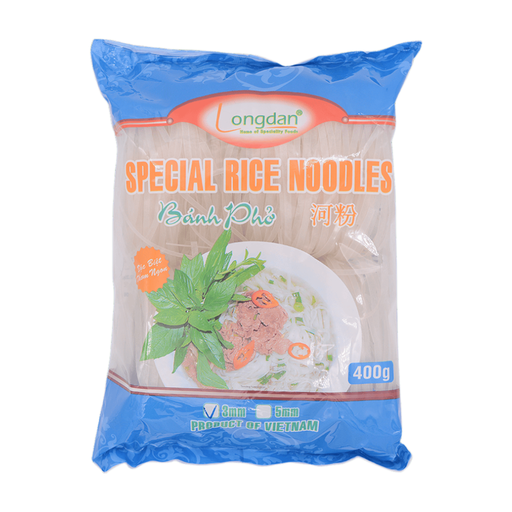
Why This Fits Their Persona: For the home cook dedicated to recreating an authentic bowl of Vietnamese ph?, the noodle's texture is non-negotiable. These 3mm noodles are the ideal width and the addition of tapioca starch provides a slight chewiness that holds up in hot broth without turning to mush.
This noodle is specifically sized for soups like ph?, avoiding the "one size fits all" problem. The starch content prevents it from becoming overly soft and breaking apart in the broth.
The "Special" label indicates a refined production process for smoother strands and improved elasticity, offering consistent results for a restaurant-quality feel at home.
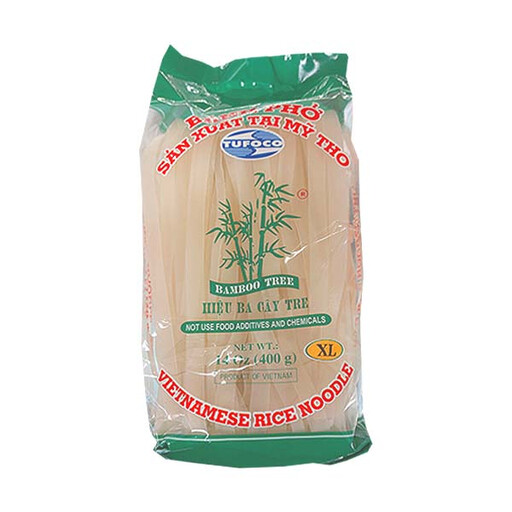
Why This Fits Their Persona: If you love making hearty stir-fries like Pad See Ew or Drunken Noodles, you need a noodle that can handle the heat and the sauce. These extra-wide 10mm noodles offer a substantial, satisfyingly chewy bite that stands up to rich, dark sauces and vigorous tossing in a wok.
By choosing a noodle specifically designed for stir-frying, you avoid the pitfall of using a delicate noodle that would disintegrate. The added tapioca starch ensures they remain intact and chewy.
The extra-wide shape provides a fantastic mouthfeel and a large surface area for clinging to sauce, ensuring every bite is packed with flavour. They are purpose-built for robust Thai and Chinese stir-fries.
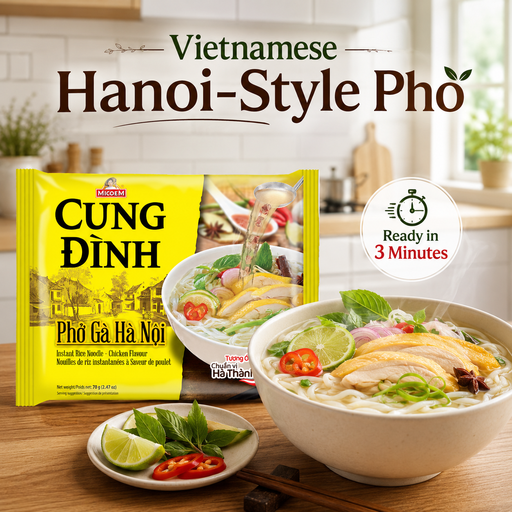
Why This Fits Their Persona: For students, busy professionals or anyone needing a satisfying meal in minutes, instant noodles are a pantry essential. This packet delivers the comforting flavour of Hanoi-style chicken ph? without any of the lengthy prep work. It's a complete meal kit in a single serving.
This product eliminates all guesswork. The noodles, broth and seasonings are perfectly portioned and designed to work together, ensuring a consistent and flavourful result in under five minutes.
Ultimate convenience. It provides an authentic-tasting broth and rice noodles in a single, quick-to-prepare packet. You can enjoy it as is or customise it with fresh herbs and chicken.
We have compiled a complete, real-time list of products that fully satisfy these strict selection criteria and UK safety regulations.
The most effective method is to rinse them under cold running water immediately after you finish cooking and draining them. This washes away excess surface starch that causes stickiness. If you are preparing them for a stir-fry, tossing them with a small amount of neutral oil after rinsing can also help keep the strands separate.
The main difference is their shape and thickness. Rice vermicelli refers to very thin, round noodle strands, similar to angel hair pasta. "Rice sticks" is a general term for flat rice noodles, which can range from very narrow (1mm) to extra-wide (10mm or more).
No, not necessarily. While noodles made from 100% rice flour are naturally gluten-free, you should always check the ingredients list. Some products may contain wheat starch and there is often a risk of cross-contamination if the noodles are produced in a facility that also handles wheat. If you have coeliac disease or a strong gluten sensitivity, look for products that are explicitly certified as gluten-free.