
24/7 Customer Support

Free returns

Same-day & Next-day Delivery

Quality Guaranteed

Unlock Your Welcome Offers: FREE Delivery | Up to 80% OFF | Free 30-day JoyPlus trial
Download the APP
As a Joybuy Product Recommendation Officer, my role is to help you navigate the crowded online marketplace. When it comes to pantry staples like rice noodles, the sheer variety can be overwhelming. You set out to make an authentic Vietnamese or Thai dish, only to find that the noodles you bought turn to mush in the wok or are too flimsy for your soup.
Many home cooks in the UK fall into a few common traps when they buy Asian noodles online. Understanding these can save you from a disappointing meal and wasted money.
To ensure you get the perfect result every time, focus on two core parameters before adding any rice noodles to your basket.
The most critical factor is matching the noodle's form to its function. Rice noodles generally fall into two main categories, with thickness being the key differentiator.
Rice Vermicelli (Bún): These are very thin, round and almost thread-like noodles. Their delicate structure makes them ideal for dishes where they aren't vigorously cooked. Look for them for Vietnamese noodle salads (like bún ch?), as a filling for fresh summer rolls, or in light soups where they are added just before serving. Thicknesses typically range from 0.8mm to 1.8mm.
Rice Stick Noodles (Bánh Ph?): These are the flat, ribbon-like noodles most people associate with classic Thai and Vietnamese dishes. Their width is your main guide:
Always check the ingredient list and preparation instructions.
To make things simpler, we've matched some excellent options to the home cooks who will appreciate them most.
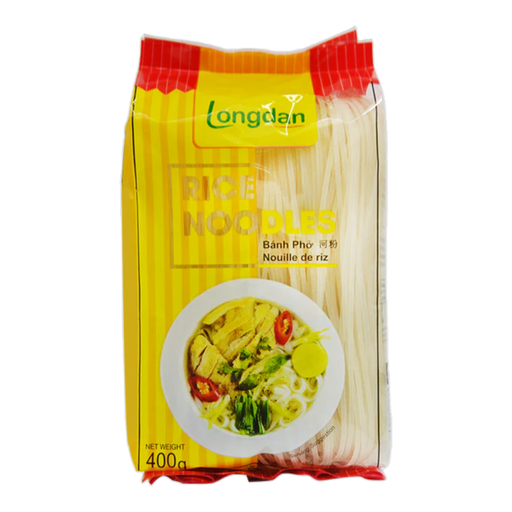
Why This Fits Their Persona: For the home cook dedicated to recreating authentic Vietnamese beef noodle soup (ph? bò), this noodle is ideal. Its 2.5mm width is the classic size for pho, providing the perfect balance of substance and tenderness in a rich broth.
This avoids the "one-size-fits-all" trap by being specifically suited for soup. It's not too thin to fall apart, nor too wide to be cumbersome, making it the correct choice for authentic pho.
Made from just rice flour and water for a clean taste and soft texture. The 2.5mm width is a versatile medium size for various soups and gentle stir-fries.
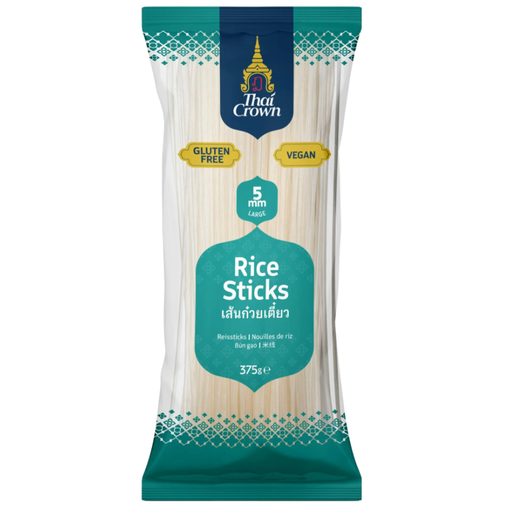
Why This Fits Their Persona: Perfect for the home cook who loves whipping up Thai stir-fries like Pad Thai or Pad See Ew. The 5mm width provides a substantial, satisfying chew that holds its own against bold sauces and crunchy vegetables without breaking apart in the wok.
This noodle's width and 100% rice composition give it the durability needed for stir-frying, avoiding the "texture mismatch" where thinner noodles would become gummy or disintegrate.
Excellent for absorbing flavour while maintaining a firm bite. The wider surface area is ideal for clinging to sauces in classic Thai stir-fried dishes.
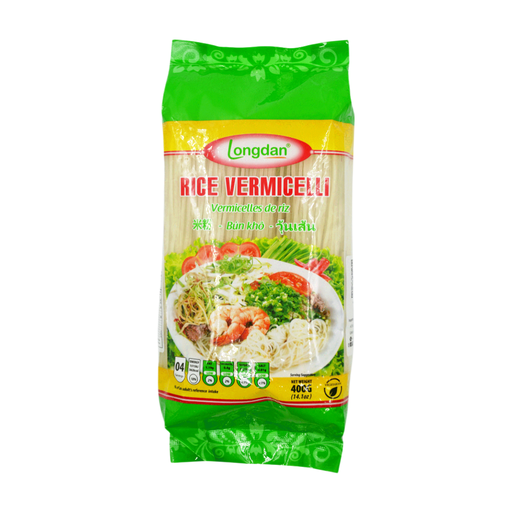
Why This Fits Their Persona: This is for the cook who loves creating light, fresh dishes. The ultra-fine 0.8mm rice vermicelli is perfect for filling Vietnamese summer rolls (g?i cu?n) or as the base for a refreshing noodle salad, where its delicate texture complements fresh herbs and light dressings.
By being exceptionally thin, it is the correct and specific choice for delicate applications. Using this for a heavy stir-fry would be a mistake, but for its intended purpose, it is unmatched.
Cooks very quickly and provides a light, non-stodgy base for salads and rolls. Its fine texture absorbs dressings beautifully without becoming heavy.
We have compiled a complete, real-time list of products that fully satisfy these strict selection criteria and UK safety regulations.
The most effective method is to rinse the noodles under cold running water immediately after cooking (whether boiled or soaked). This washes away excess starch, which is the primary cause of stickiness. For stir-fries, after rinsing and draining well, toss them with a teaspoon of neutral oil to keep the strands separated.
No, this is a common pitfall. For a successful Pad Thai, you need flat rice noodles that are sturdy enough to be tossed in a hot wok. A width of 3mm to 5mm is ideal. Using thin rice vermicelli will result in a mushy, broken mess.
The vast majority are, as the base ingredients are simply rice flour and water. This makes them an excellent choice for those on a gluten-free or plant-based diet. However, it is always wise to check the packaging. Some noodles may contain other starches, and there is always a small risk of cross-contamination in facilities that handle other grains. Always read the label if you have a severe allergy or strict dietary requirement.