
24/7 Customer Support

Free returns

Same-day & Next-day Delivery

Quality Guaranteed

Unlock Your Welcome Offers: FREE Delivery | Up to 80% OFF | Free 30-day JoyPlus trial
Download the APP
From a steaming bowl of Vietnamese Pho to a sizzling plate of Pad Thai, the right rice noodles are the foundation of many of Southeast Asia’s most beloved dishes. Yet, a quick look at the supermarket aisle or when you try to buy rice noodles online can be confusing. Packets look similar, but using the wrong type can turn your culinary creation into a starchy, disappointing mush.
As the Joybuy Product Recommendation Officer, my role is to help you navigate these choices. Many home cooks in the UK fall into a few common traps when buying dried rice noodles. Let's look at how to avoid them.
To ensure you get the right texture and taste every time, focus on these three non-negotiable parameters before you buy.
The single most important factor is matching the noodle's form to its function. There are two main categories you'll encounter:
Rice Stick Noodles: These are the flat, ribbon-like noodles essential for many Thai and Vietnamese dishes. Their width is key.
Rice Vermicelli: These are very thin, round noodle strands. They are not suitable for vigorous stir-frying. Instead, they are perfect for fresh Vietnamese summer rolls (G?i cu?n), light noodle salads (Bún) and as a delicate addition to certain soups. They often only require a brief soak in hot water to prepare.
The most reliable Asian noodles often have the shortest ingredient lists. Look for packets containing just rice flour and water. Some high-quality noodles may also include tapioca starch, which is not a filler but a functional ingredient. It adds a pleasant chewiness and helps the noodles maintain their structure during cooking, making them more resilient. Be wary of noodles with a long list of unpronounceable additives or preservatives.
Always check the back of the packet. For those with dietary restrictions, the "May contain traces of..." statement is crucial. A product made in a dedicated gluten-free facility offers more assurance than one that simply has gluten-free ingredients but is processed on shared equipment. Furthermore, for authentic flavour, checking the country of origin can be a good indicator—Thai noodles for Thai dishes and Vietnamese noodles for Vietnamese recipes.
Instead of a generic list, we've matched specific rice noodles to the UK home cooks who will appreciate them most.
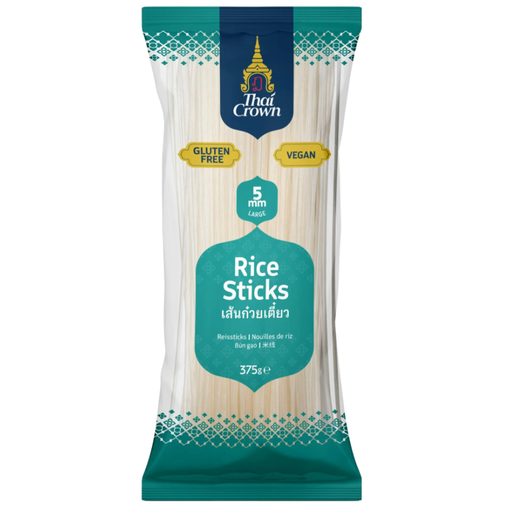
Why This Fits Their Persona: This home cook is dedicated to recreating restaurant-quality Pad Thai or Pad See Ew. They need a noodle that won't let them down in the wok. The 5mm width is the perfect all-rounder for classic Thai stir-fries.
Its specific 5mm rice stick format directly counters the "one-size-fits-all" pitfall. Made from premium rice, it has the structural integrity to withstand soaking and high-heat cooking, avoiding the mushy noodle trap.
The versatile 5mm width is ideal for a range of stir-fries. It absorbs sauce beautifully while maintaining a satisfying chew.
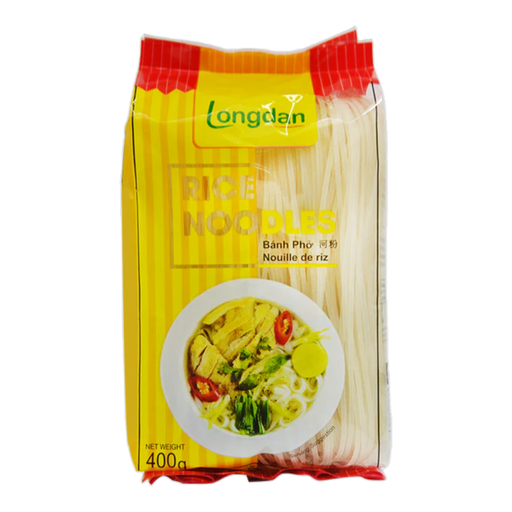
Why This Fits Their Persona: This person is keen to make an authentic bowl of Pho at home. They need a noodle that is specifically suited for soup, holding its texture in hot broth without turning to paste.
Marketed as “bánh ph?,” it’s purpose-built for Vietnamese soup, eliminating guesswork. The simple ingredient list of only rice flour and water ensures a pure flavour and texture, avoiding the quality issues of overly processed noodles.
This is an authentic Vietnamese-style noodle perfect for soups. It's naturally vegan and gluten-free, with a clean and simple composition.
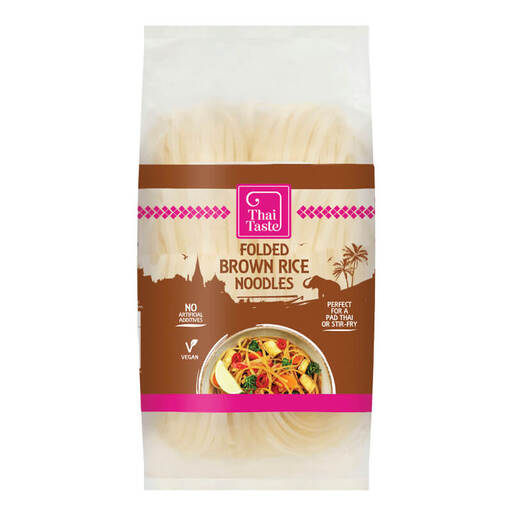
Why This Fits Their Persona: This person seeks a gluten-free pasta alternative but with added nutritional value. They prioritise whole foods and clear labelling to fit their healthy lifestyle.
It is made from wholegrain brown rice flour, not just refined white rice, offering a clear nutritional benefit. The packaging is also upfront about potential cross-contamination, which helps buyers with severe allergies make an informed choice.
It is a source of fibre due to the brown rice. The noodles are folded into nests, which can help with portion control.
We have compiled a complete, real-time list of products that fully satisfy these strict selection criteria and UK safety regulations.
Not necessarily. The preparation method depends on the noodle's thickness. Very fine rice vermicelli often only needs to be soaked in just-boiled water for a few minutes until soft. Thicker rice stick noodles usually require a soak in warm water for 20-30 minutes to become pliable, followed by a quick boil (1-3 minutes) or direct addition to a stir-fry or hot soup where they will finish cooking. Always check the packet instructions.
This is a common frustration, usually caused by excess starch. To prevent it, do two things. First, do not overcrowd the pot or pan when cooking. Second, and most importantly, as soon as the noodles are cooked to your liking, drain them and immediately rinse them thoroughly under cold running water. This washes away the sticky surface starch and stops the cooking process, keeping the strands separate.
While rice noodles are an excellent gluten free noodle option, they are not a direct one-for-one substitute for Italian-style wheat pasta. Their texture is generally softer and less "al dente," and their neutral flavour profile is designed to absorb the bold sauces of Asian noodles dishes. They shine in soups, salads and stir-fries but may not provide the same experience in a classic carbonara or bolognese.