
24/7 Customer Support

Free returns

Same-day & Next-day Delivery

Quality Guaranteed

Unlock Your Welcome Offers: FREE Delivery | Up to 80% OFF | Free 30-day JoyPlus trial
Download the APP
Navigating the world of rice noodles can feel surprisingly complex. You follow a recipe for Pad Thai to the letter, only to end up with a sticky, broken mess. Or your homemade pho broth is perfect, but the noodles are disappointingly mushy. For many UK home cooks, these frustrations are all too common, often stemming from a few simple purchasing pitfalls.
The main issue isn't your cooking skill; it's choosing the wrong tool for the job. Many shoppers unknowingly fall into two common traps:
This guide will help you understand the key factors to check before you buy rice noodles online or in-store, ensuring you get the perfect texture for your dish every time.
Before adding a pack to your basket, a quick look at the label can save your dinner. Focus on these two non-negotiable parameters.
The most critical factor is the noodle's physical form. Different shapes are designed for different culinary purposes, and using the wrong one is like trying to use spaghetti in a lasagne.
The ingredient list reveals the secret to the noodle's texture and resilience.
To help you choose, we have matched some reliable options to the cooks who will appreciate them most.
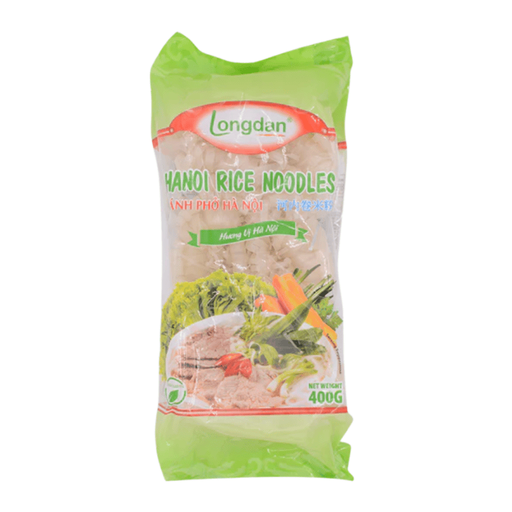
Why This Fits Their Persona: For the home cook dedicated to recreating an authentic bowl of Vietnamese pho, this noodle is purpose-built. Its delicate texture and clean rice flavour are designed to complement, not overpower, a carefully prepared broth.
It directly solves the "wrong noodle" problem by being the specific "bánh ph? hà n?i" style. The rolled format also minimises breakage, ensuring long, satisfying strands in your soup.
Made from just rice and water for an authentic, clean taste. The rolled design makes portioning simple and neat.
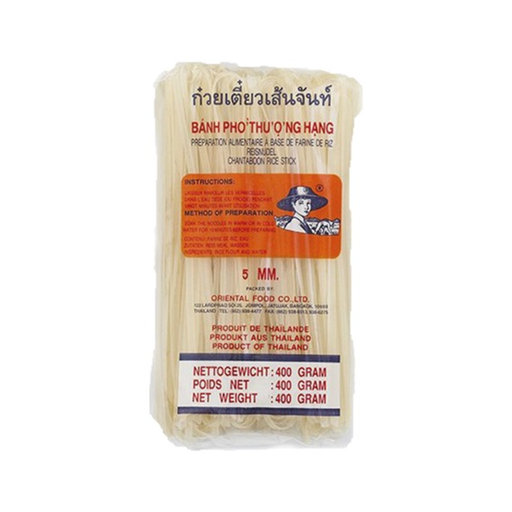
Why This Fits Their Persona: If you frequently make stir-fries like Pad Thai, you need a noodle that can handle the heat and tossing. This 5mm noodle is wide enough to feel substantial and is formulated for resilience.
The inclusion of modified starch gives these noodles the elasticity needed to prevent them from breaking and turning to mush in the wok, directly countering a common stir-fry failure.
Holds its shape well during cooking, providing a firm and smooth texture. It is also gluten-free, vegan and Halal certified.

Why This Fits Their Persona: This is for the foodie who isn't just cooking dinner but is seeking a specific, authentic flavour experience. Luosifen (river snail noodles) is known for its unique, pungent aroma and complex spicy-sour broth.
It's a complete meal kit. This removes the immense difficulty of sourcing niche ingredients like fermented bamboo shoots and a specific snail broth base, making an otherwise inaccessible dish achievable at home.
Provides an authentic Liuzhou street-food experience with all necessary seasoning packets included for a rich, complex and savoury meal.
We have compiled a complete, real-time list of products that fully satisfy these strict selection criteria and UK safety regulations.
The key is to rinse them under cold running water immediately after soaking or boiling. This washes away the excess surface starch that causes sticking. If you are preparing them for a stir-fry, tossing the rinsed noodles with a small amount of neutral oil can also help keep the strands separate.
For a classic result, a medium-width flat rice stick (around 3-5mm) is the standard choice. This shape has the ideal balance of surface area to absorb the sauce and a pleasant chewiness. Using thin rice vermicelli will create a much softer, more tangled dish, while very wide noodles may not coat as evenly with the sauce.
The vast majority of dried rice noodles made simply from rice and water are naturally gluten-free. However, it is always important to check the full ingredient list and any allergen warnings on the packaging. Some instant noodle kits or products made in facilities that also handle wheat may contain wheat starch or carry a cross-contamination risk.