What to check before buying
For one-person weekday breakfasts, settle on the portion and preparation that fit your routine, then compare the label and any storage needed after opening.
| Concern |
What to check |
Who this matters to |
| Defined portion and speed |
Check the weight of each pot and whether it can be eaten cold or heated according to its pack instructions. |
When breakfast has to be ready quickly, I want one portion without measuring from a tin. About 36% of consumers put a defined, quick-to-serve portion first. |
| Nutrition and ingredients |
Compare sugars and saturated fat per 100g and for your planned portion; read the ingredients and highlighted allergens on the pack. |
If I am choosing between recipes or serving sizes, I want to know what is in the amount I will actually eat. For about 29% of consumers, comparing nutrition and ingredients is the primary concern. |
| Using the whole pack |
Work out how many planned portions a tin provides and check its instructions for storing the remainder. |
For several breakfasts at home, I may accept portioning a tin if I can use what is left as directed. About 21% of consumers chiefly weigh up planned use of the whole pack. |
| Serving temperature and texture |
Check hot-or-cold serving directions and the recipe if creamier texture matters; distinguish shelf-stable packs from chilled desserts. |
I may want a warm breakfast on some mornings or prefer a particular texture, even if that means more preparation. Serving temperature or texture comes first for about 14% of consumers. |
Joybuy products for this topic
For separately portioned rice pudding, this Joybuy selection is a four-pot Heinz product intended for babies from 6 months. It is not a tinned rice pudding or a direct substitute for an adult's single breakfast pot.
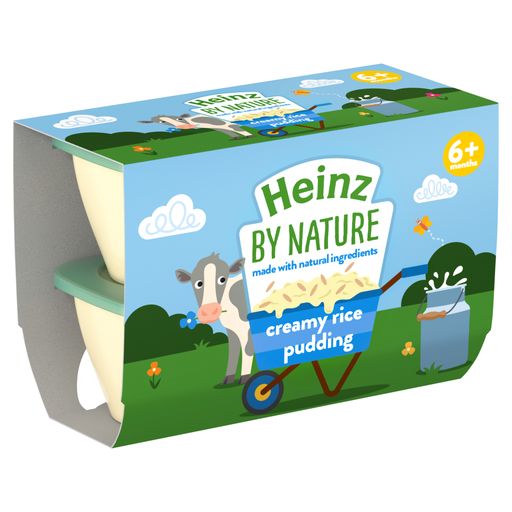 Image unavailable
Heinz Creamy Rice Pudding 6+ Months, 4 x 100g
Four individually sized pots may suit a household choosing rice pudding for a child in the product's stated age range. This is baby food, not a tin or a general adult-breakfast recommendation. Its product description says to refrigerate any unused opened portion and use it within 24 hours; follow the pack directions.
View on Joybuy
Questions about rice pudding for breakfast
Is a 150g pot one breakfast portion?
Tesco sells the Ambrosia 150g pot as single-serve, but that describes the pack, not how much breakfast any one person needs. Its listing gives nutrition per pot; compare those values with the amount you plan to eat.
Can I eat a shelf-stable rice-pudding pot cold?
Tesco says its Ambrosia 150g pot can be eaten straight from the pot or microwaved in under a minute, without chilling before opening. Check the serving and heating instructions on the particular product you buy.
How do I use a 400g tin for one person?
Choose your serving before opening rather than treating the whole tin as one portion; Tesco lists 200g as a half-can portion for Ambrosia Light 400g. Follow your tin's own storage directions for the remainder: Waitrose specifies refrigeration after opening and use within three days for its Ambrosia Deluxe can.
Should I check the label when buying a familiar rice pudding?
Yes. Check the physical pack for its current ingredients, highlighted allergens, serving size and nutrition values. The NHS explains that prepacked nutrition information is given per 100g and sometimes per portion, which helps when comparing packs of different sizes.


