Hosts wanting separate servings
If you would rather hand guests their own pudding than fill bowls at the table, Ambrosia’s 150g pots and the four-pot 120g pack provide individually portioned options.


For an afternoon tea party, choose ready-to-eat individual pots when each guest should have a separate serving without spooning pudding from a can. A four-pot pack suits a guest list that matches its portion count; a two-pot Deluxe pack offers a smaller, cream-and-vanilla option. Choose a 400g can if you are happy to portion its two servings into dishes, and check each current pack’s ingredients when catering for allergies.
If you would rather hand guests their own pudding than fill bowls at the table, Ambrosia’s 150g pots and the four-pot 120g pack provide individually portioned options.
If you are choosing between Ambrosia’s standard and Light 150g pots, compare the energy, sugars and fat information on the same per-pot basis. The Light name does not replace an ingredient or allergen check.
Ambrosia’s Deluxe vanilla pack contains two 110g pots with cream. It is an option when that recipe and portion size suit the tea table, rather than when you need several matching servings from one pack.
Start with how many separate servings you need, then compare portion size, recipe and the preparation each format requires.
| Concern | What to check | Who this matters to |
|---|---|---|
| Separate servings | Check whether the pack contains sealed individual pots and compare 120g with 150g portions. | If I want to put a pudding at each guest’s place without filling bowls, individual pots are my priority. About 33% of consumers put ready-portioned convenience first. |
| Per-pot nutrition | Compare energy, sugars and fat for the same pot size; check ingredients separately for allergies. | When I am offering several sweet dishes, I want to compare what is in each serving before choosing the standard or Light 150g pot. For about 25% of consumers, that per-pot comparison is the primary concern. |
| Recipe and presentation | Check the stated portion size and ingredients: the Deluxe vanilla pack contains two 110g pots with cream. | I may prefer a smaller cream-and-vanilla pudding for a particular tea-table menu, even if a different pack would provide more servings. That recipe-led choice comes first for about 25% of consumers. |
| Pack count | Match the stated number of portions to guests; a four-pack contains four 120g pots, while the 400g can is labelled as two portions. | If several guests need the same dessert, I want the pack count to fit the guest list rather than leave me short or with unwanted pots. Around 17% of consumers primarily focus on planning the number of servings. |
Ambrosia labels its 400g can as two portions. Serving it to individual guests means transferring the pudding into dishes.
Choose sealed pots when you want to serve without portioning; use a can when preparing the dishes yourself suits your plans.
A can also calls for serving dishes and time to fill them, with leftovers to manage if both portions are not used.
Ambrosia’s Light 150g pot still contains milk ingredients. Its nutrition comparison with the standard pot does not answer an allergy question.
Read the current ingredients and allergen label of every variety you intend to serve.
A pair of 110g pots, four 120g pots and single 150g pots meet different guest-count and portion needs.
Count guests, then check both the number of pots and the amount in each pot.
Heating instructions can differ between the researched pot sizes and varieties.
Follow the purchased pack’s directions for foil removal, heating, standing and stirring before serving it warm.
Its researched rice-pudding range includes ambient individual pots, a four-pot pack and a 400g can.
Its two-pack of clotted-cream rice puddings is a chilled alternative, not an ambient individual-pot or tinned equivalent.
This selection is a four-pot rice pudding product formulated for children aged 6+ months. Consider whether that intended use and its 100g pot size suit your afternoon tea guests.
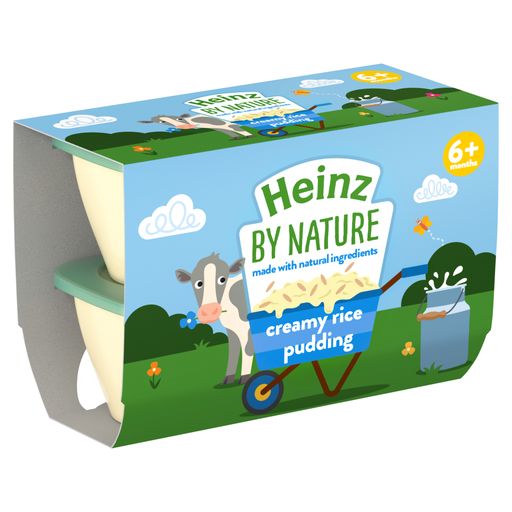 Image unavailable
The four 100g pots provide separate portions if this child-focused product is appropriate for the guests you are serving. Check the current pack’s ingredients and allergen information before offering it to anyone with allergies.
No. The researched individual Ambrosia servings are ready-to-eat pots, while its 400g tin is labelled as two portions. Choose pots to give guests sealed servings, or the tin if you plan to serve the pudding in dishes.
Ambrosia’s standard and Light 150g pots can be served hot or cold. If serving them warm, follow the heating and standing instructions on the particular pack you buy.
The researched Ambrosia ambient pots can be stored before opening as directed on their packs. M&S states that its clotted-cream rice puddings must be kept refrigerated at 0°C to +5°C, so do not use the ambient pots’ storage approach for that chilled product.
Do not assume the researched Ambrosia varieties are suitable: their listed ingredients include milk products. Check the current ingredients and allergen information for every pack, and choose a suitable alternative for a guest with a milk allergy.
Ambrosia’s 400g tin is labelled as two portions, so opening one may leave pudding to store. Follow the tin’s instructions for handling and storing any remaining contents; sealed individual pots avoid opening more portions than you need.