
24/7 Customer Support

Free returns

Same-day & Next-day Delivery

Quality Guaranteed

Unlock Your Welcome Offers: FREE Delivery | Up to 80% OFF | Free 30-day JoyPlus trial
Download the APP
Navigating the world of Asian noodles can be a challenge. You have a recipe in mind—a fragrant Vietnamese noodle salad, a comforting hot pot or a quick weeknight stir-fry—but the sheer variety of rice vermicelli on the shelf can be overwhelming. Choosing the wrong type is a common misstep that can lead to disappointing results, turning your intended dish into a mushy or tough affair.
As the Joybuy Product Recommendation Officer, my role is to help you understand the key differences so you can select the right noodles with confidence. Let's look at the most common pitfalls UK home cooks encounter and how to avoid them.
rice noodles, others are made from mung bean or sweet potato starch. These glass noodles and sweet potato vermicelli have entirely different textures and cooking properties, and using them interchangeably is a frequent cause of kitchen mishaps.To ensure your dish is a success, focus on two non-negotiable parameters: the noodle's material and its thickness. Understanding these will instantly clarify which packet is right for you.
The ingredient list is your most reliable guide. Different materials create vastly different eating experiences.
Bún): Made simply from rice flour and water, these are the classic Vietnamese noodles. They are opaque white, have a soft texture, and are excellent at absorbing the flavours of broths and dressings. As they are made from rice, they are a popular choice for those seeking gluten-free noodles.Glass Noodles): These are made from mung bean starch and are often called cellophane noodles. They are thin and become transparent or "glass-like" when cooked. Their texture is distinctly springy and slightly chewy, making them ideal for salads, soups and as a filling for spring rolls.hot pot noodles and stir-fries like Japchae.The noodle's diameter dictates its purpose. A slight difference of a millimetre can completely change the outcome of your dish.
vermicelli noodles are delicate and cook in minutes, often just by soaking. They are the standard for fresh Vietnamese summer rolls (g?i cu?n) and light noodle salads like bún th?t n??ng, where they provide a soft, unobtrusive base.stir fry noodles and work well in soups where you want a bit more substance. They offer a balance between a delicate texture and a satisfying chew.To make your choice easier, we've matched some popular options to the home cooks who will appreciate them most.
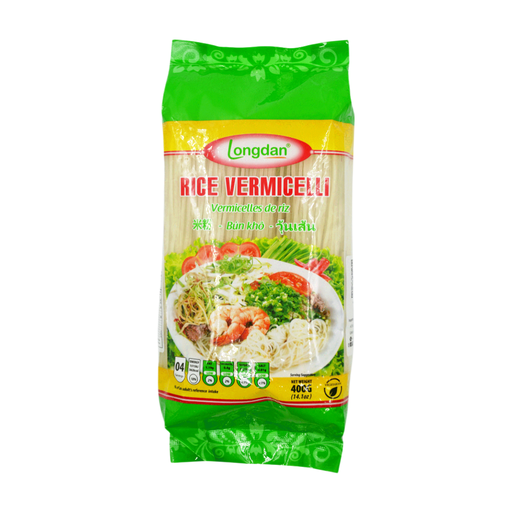
Why This Fits Their Persona: For those aiming to recreate authentic Vietnamese dishes like bún ch? or fresh summer rolls at home, the texture must be just right. These fine noodles provide the light, delicate base that allows the fresh herbs, grilled meat and nuoc cham dressing to shine.
This noodle's 0.8mm thickness is specifically designed for delicate dishes, avoiding the "one size fits all" trap. Using this prevents the heavy, clumpy texture you'd get from a thicker noodle in a fresh salad.
Made from just rice and water, it offers an authentic, clean flavour and cooks quickly. Its fine texture is perfect for absorbing dressings without becoming waterlogged.
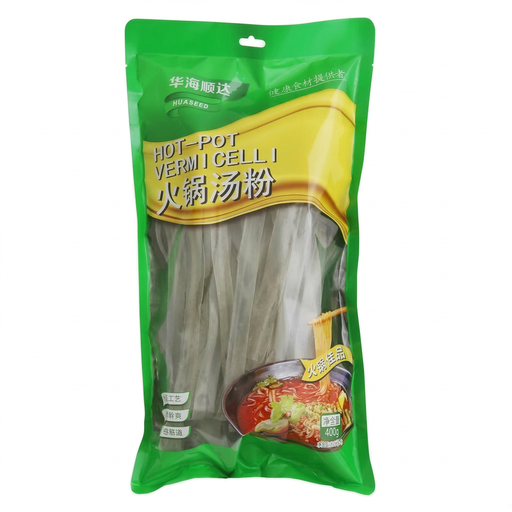
Why This Fits Their Persona: When hosting a hot pot night, you need noodles that can simmer in broth without disintegrating. These sweet potato vermicelli are specifically designed for this purpose, becoming satisfyingly chewy and absorbing the rich soup flavours.
This product directly solves the "wrong ingredient" pitfall. By using sweet potato starch instead of rice, it provides a heat-resistant, non-mushy texture that is essential for a successful hot pot experience.
These noodles are purpose-built for hot pot, offering a smooth and chewy texture that won't break down. They are also free from additives, providing a clean base for your broth.
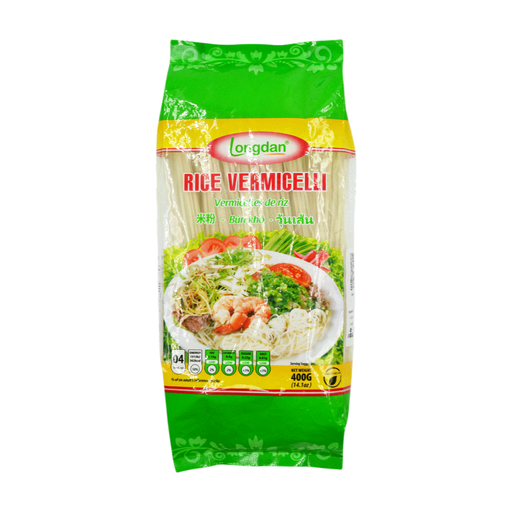
Why This Fits Their Persona: For anyone who loves making hearty stir-fries, a noodle that breaks apart is a major frustration. This extra-thick vermicelli provides the structure and satisfying chew needed to stand up to vigorous tossing with vegetables, proteins and bold sauces.
This noodle avoids the "wrong thickness" pitfall for stir-frying. Its robust 1.8mm diameter ensures it won't turn to mush or break, providing the perfect al dente bite that finer noodles can't deliver in a hot wok.
The extra-thick cut delivers a delightful, bouncy texture and exceptional resilience, making it the ideal choice for substantial stir-fries and other robust `Asian noodles` dishes.
We have compiled a complete, real-time list of products that fully satisfy these strict selection criteria and UK safety regulations.
No, they are made from different ingredients and have different textures. Rice vermicelli is made from rice flour, resulting in an opaque, soft noodle. Glass noodles are made from starch (like mung bean or sweet potato) and become translucent and chewy when cooked.
The key is to rinse them thoroughly with cold water immediately after cooking (whether boiling or soaking). This removes the excess surface starch that causes sticking. For added insurance, especially if you are not using them right away, you can toss the rinsed noodles with a teaspoon of neutral oil.
Not always. The cooking method depends on the noodle's thickness. Very fine vermicelli (around 0.8mm) often only requires soaking in hot, off-the-boil water for 5-10 minutes until softened. Thicker noodles (1.5mm and above) typically need to be boiled for 3-8 minutes to cook through properly. Always refer to the instructions on the package for the most accurate guidance.