
24/7 Customer Support

Free returns

Same-day & Next-day Delivery

Quality Guaranteed

Unlock Your Welcome Offers: FREE Delivery | Up to 80% OFF | Free 30-day JoyPlus trial
Download the APP
Navigating the world of rice vermicelli can be surprisingly complex. You pick up a packet for a Vietnamese summer roll recipe, only to find the noodles turn to a sticky mush. Or you try to make a hearty noodle soup, and the strands are too brittle to hold up. Many UK home cooks find themselves with a cupboard full of mismatched Asian noodles, bought with good intentions but ultimately unsuited for their intended dish.
As a Joybuy Product Recommendation Officer, my role is to help you bypass this confusion. We will look past the appealing packaging and focus on the practical details that ensure you choose the right rice noodles every time. Let's break down the common pitfalls and the key factors to check before you buy.
Many shoppers are led astray by vague labelling or a misunderstanding of how different noodles perform. Here are the most frequent issues:
Thai rice noodles may have a different texture and cooking requirement than Chinese rice noodles from Jiangxi. Assuming they are interchangeable often leads to disappointing results, as each type is crafted for specific regional dishes.To avoid these traps, focus on three non-negotiable specifications. Getting these right is the key to perfecting your dish.
The diameter of the noodle is the single most important factor in determining its use.
noodles for pho if you prefer a round noodle, as it holds its chewy texture in hot broth without going soft too quickly.The ingredients list reveals a lot about the noodle's final texture.
gluten-free noodles.The country of origin often indicates the noodle's intended culinary style.
Vietnamese noodles dishes.Jiangxi rice noodles are known for their smooth, delicate texture, making them a favourite for soups and stir-fries across China.Instead of a generic list, we have matched specific products to the needs of different UK home cooks.
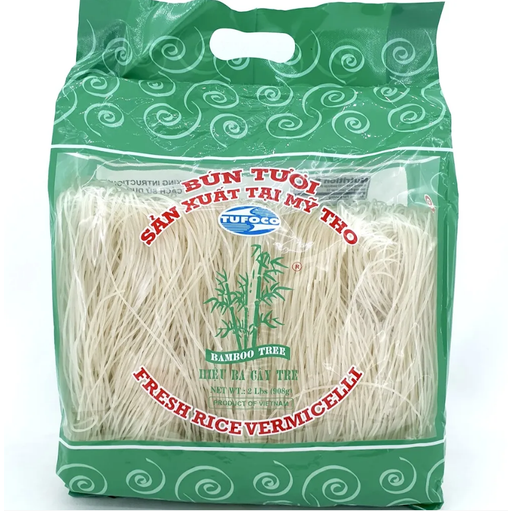
Why This Fits Their Persona: This is for the cook aiming to replicate authentic Vietnamese dishes like Bún Th?t N??ng or fresh summer rolls. The specified thickness and Vietnamese origin provide the exact texture needed for these classic recipes.
It directly counters the "texture mismatch" pitfall by clearly stating its 1.2-1.4mm thickness, ensuring it is not too fine or too coarse for salads and noodle bowls.
Made from 100% rice for a pure, delicate flavour that absorbs dressings well. It is naturally gluten-free and allergen-free.

Why This Fits Their Persona: This is for the foodie who has heard the buzz about Luosifen (snail noodles) and wants a convenient way to try this famously pungent and spicy dish. It is a complete meal kit, not just plain noodles.
It solves the problem of sourcing numerous speciality ingredients. Instead of buying plain noodles and failing to create the authentic sour and spicy broth, this kit provides everything needed.
A complete kit with noodles, mala soup base, pickled bamboo shoots, peanuts and tofu skin for a complex, multi-layered flavour experience that is ready in 15 minutes.
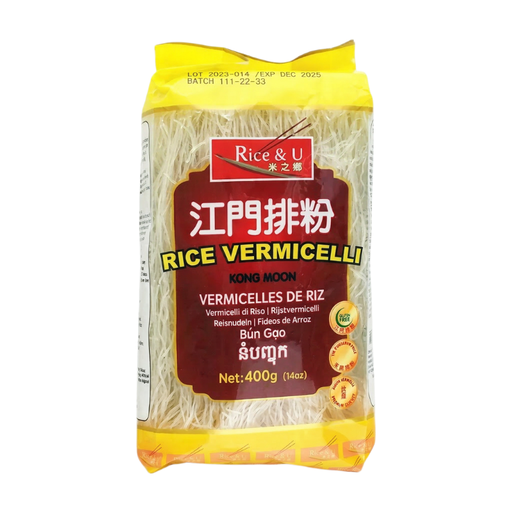
Why This Fits Their Persona: This is for the cook who loves making noodles for stir-fry dishes like Pad See Ew or Beef Chow Fun. The flat, wide shape is specifically designed to hold up to the rigours of a hot wok and absorb rich sauces.
It avoids the "one-size-fits-all" myth. By choosing a noodle specifically shaped for stir-frying, you prevent the breakage and stickiness that occurs when using thin vermicelli for this purpose.
These are traditional dried flat rice noodles (He Fen) from Jiangmen, prized for their smooth texture and excellent ability to absorb flavour without becoming mushy.
We have compiled a complete, real-time list of products that fully satisfy these strict selection criteria and UK safety regulations.
The most effective method is to rinse the noodles under cold running water immediately after you finish boiling or soaking them. This halts the cooking process and, more importantly, washes away the excess surface starch that causes stickiness. For stir-fries, you can also toss the rinsed noodles in a small amount of neutral oil to keep the strands separated.
Rice vermicelli is made from rice flour and water, which gives it a delicate texture and makes it naturally gluten-free. Other Asian noodles are made from different core ingredients, which dictates their texture and use. For example, ramen and udon are wheat-based and are chewier; glass noodles are made from mung bean starch and become transparent and springy when cooked; and soba noodles are made from buckwheat, giving them a distinctive nutty flavour.
While you can use any rice noodle in a pinch, for a more traditional bowl of Pho, you would typically use flat, wide rice noodles called Bánh Ph?. However, many people enjoy using a medium-thickness (around 1.6mm) round rice vermicelli as an alternative. Very fine vermicelli is generally not recommended as it can become overly soft and break apart in the hot broth. The choice ultimately comes down to your preferred texture.