
24/7 Customer Support

Free returns

Same-day & Next-day Delivery

Quality Guaranteed

Unlock Your Welcome Offers: FREE Delivery | Up to 80% OFF | Free 30-day JoyPlus trial
Download the APP
As a Joybuy Product Recommendation Officer, my role is to help you navigate the crowded online marketplace. When it comes to staples like rice vermicelli, the choice can be surprisingly complex. A simple noodle purchase can lead to disappointment, with dishes turning out mushy, bland or nothing like the authentic meal you intended to create. Let's look at the common pitfalls and how to choose the right noodles for your kitchen.
Many home cooks in the UK find their noodle dishes fall flat. Often, the issue isn't the recipe, but the noodles themselves. Here are three frequent traps to avoid:
To ensure you get the right product every time, focus on these three key factors.
The primary ingredient dictates the noodle's character. Understanding the difference is crucial for matching the noodle to your dish.
Your choice between dried and fresh depends on your needs for convenience and texture.
The diameter of the noodle is not a minor detail; it determines its use.
Based on these practical criteria, here are some recommendations tailored to different types of home cooks in the UK.
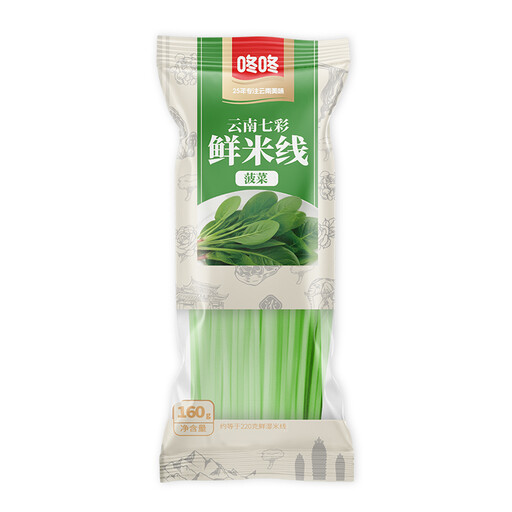
Why This Fits Their Persona: For the home cook eager to add a splash of colour and a unique, soft texture to their meals. These noodles make everyday stir-fries or soups visually exciting without artificial additives, elevating a simple dish into something special.
This is a true shelf-stable fresh rice noodle, not a rehydrated product. It cooks in 1-2 minutes, avoiding the mushiness of overcooked dried noodles and its vibrant colour comes from natural spinach powder, not artificial colouring.
Extremely quick to prepare; provides a soft, chewy texture and natural colour from vegetable powder.
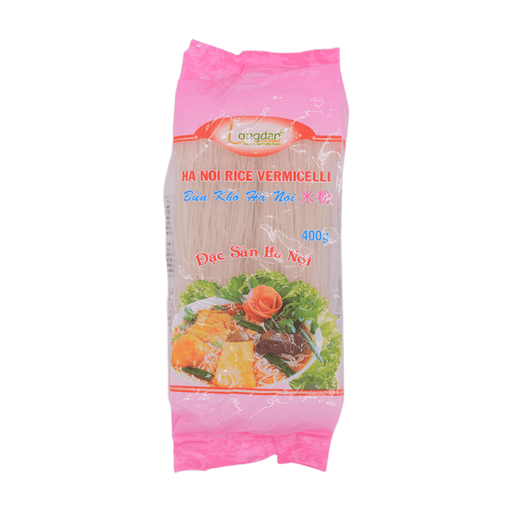
Why This Fits Their Persona: Ideal for those recreating specific Vietnamese dishes like Bún ch? or fresh summer rolls. Its fine 1.5mm thickness and pure rice composition are exactly what's needed for these delicate, traditional recipes.
By using only pure rice flour and water, this product sidesteps the texture problems of noodles bulked with other starches. It delivers the authentic, light consistency required for traditional Vietnamese rice noodles without ambiguity.
Authentic fine texture suitable for specific Asian cuisines; made with simple, pure ingredients (rice flour, water).
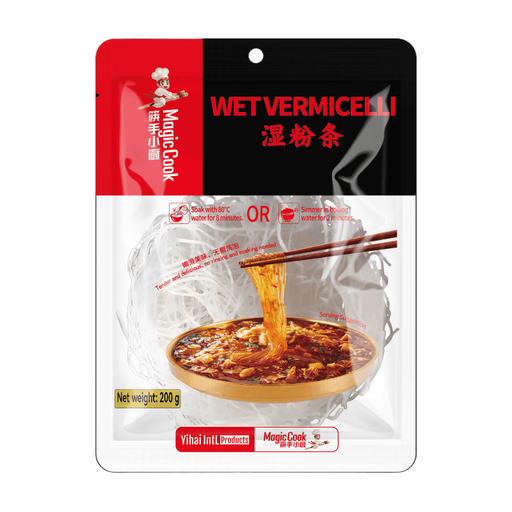
Why This Fits Their Persona: Specifically for those who love a good hot pot night. These noodles are made from sweet potato starch, giving them the resilience to simmer in broth while absorbing all the flavour, without disintegrating.
This product directly solves the "mushy noodle" problem in hot pot. As a sweet potato vermicelli, its entire purpose is to be chewy and robust, holding its texture perfectly where standard rice noodles would fail.
Excellent chewy texture that holds up in simmering broth; absorbs soup flavours well; convenient fresh format.
We have compiled a complete, real-time list of products that fully satisfy these strict selection criteria and UK safety regulations.
1. How do I stop my rice vermicelli from sticking together? The key is to rinse the noodles in cold water immediately after cooking. Once you've boiled or soaked them until just tender, drain them in a colander and run cold water over them while gently separating the strands with your fingers or chopsticks. A light toss with a drop of sesame oil can also help keep them separated if you're not using them immediately.
2. Are all rice vermicelli noodles gluten-free? In their purest form, made only from rice and water, they are naturally gluten-free. However, you should always check the ingredients list. Some brands may add other starches or be processed in facilities that also handle wheat, creating a risk of cross-contamination. Look for a "gluten-free" certification on the packaging if you have coeliac disease or a severe intolerance.
3. What is the difference between rice vermicelli and sweet potato vermicelli? The main difference is the core ingredient, which completely changes the texture. Rice vermicelli is made from rice flour and is typically white, soft and opaque when cooked. Sweet potato vermicelli (also known as glass noodles) is made from sweet potato starch. It is more translucent, much chewier and has a springy, elastic quality that makes it ideal for hot pots and stews.