Navigating the world of Asian condiments can be a delightful journey, but it often starts with a moment of confusion in the supermarket aisle. You have a recipe that calls for rice vinegar, but you're faced with a shelf of options: white, black, seasoned, glutinous. Which one is right for your stir-fry, your sushi or that perfect dumpling dipping sauce?
As the Joybuy Product Recommendation Officer, my role is to help you cut through the clutter. This guide will clarify the key differences between common types of rice vinegar, offer practical tips for choosing the right bottle and present some of our top recommendations to help you stock your pantry with confidence.
How to Choose Your Asian Cooking Vinegar
Before you add a bottle to your basket, a little knowledge goes a long way. Here are a few key points to consider to ensure you get the right vinegar for your culinary needs.
1. Understand the Core Types
Not all rice vinegars are created equal. Their colour, flavour and intended use can vary significantly.
- White Rice Vinegar: This is the most common and versatile type. It has a clean, mild and subtly sweet flavour with a gentle acidity. It's an excellent all-rounder, perfect for pickling vegetables (like sunomono), making salad dressings and adding a touch of brightness to marinades and stir-fries without overpowering other ingredients.
- Chinese Black Vinegar: Dark, malty and complex, this vinegar is a staple in Chinese cuisine. It is often made from glutinous rice, wheat or millet and aged for a rich, slightly smoky flavour. It's much more robust than white rice vinegar and is essential for creating an authentic vinegar for dipping sauce for dumplings, or for adding depth to braised meats and noodle dishes.
- Seasoned Rice Vinegar: This is essentially white rice vinegar with added sugar and salt. It is specifically formulated to be used as a sushi rice vinegar. Using a seasoned vinegar is a convenient shortcut to achieving that perfect balance of sweet, salty and tangy flavour that is characteristic of restaurant-quality sushi rice.
2. Check the Ingredients
A quick look at the label can tell you a lot about the quality of the vinegar. High-quality unseasoned rice vinegars typically have a very simple ingredients list: water, rice and sometimes salt. For a seasoned rice vinegar, you should expect to see sugar and salt listed. This focus on simple ingredients ensures you are getting a pure flavour without unnecessary additives.
3. Consider the Recipe
Think about what you plan to cook.
- For delicate Japanese or Vietnamese dishes, a mild white rice vinegar is usually the right choice.
- If you're making sushi or onigiri, a pre-mixed seasoned rice vinegar will make your life much easier.
- For hearty Chinese braises or a flavourful dumpling sauce, only a Chinese black vinegar will deliver that authentic, complex taste.
Our Top Recommendations for Rice Vinegar in 2026
Based on their ingredients, versatility and suitability for home cooks, here are a few standout options available on Joybuy.
For All-Purpose Seasoning: Pearl River Bridge Rice Vinegar 500ml
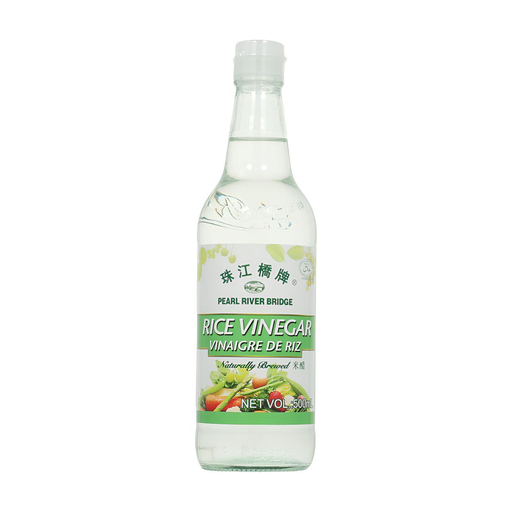
- Why It Stands Out: This is a classic example of a high-quality white rice vinegar. It offers a crisp, clean acidity that enhances food without dominating it. Its simplicity is its greatest strength, making it a reliable staple for a wide range of Asian cooking.
- Pros:
- Pure Ingredients: Made with just water, rice and salt.
- Versatile: Ideal for pickling, salad dressings, dipping sauces and adding a refreshing tang to soups and stir-fries.
- Mild Flavour: The soft acidity is perfect for dishes where you don't want an aggressive vinegar taste.
- Who is it for?: Home cooks seeking a foundational Asian cooking vinegar for their pantry. It's the perfect starting point if you're building your collection of Asian ingredients.
For Perfect Sushi Rice: KIKKOMAN Sushi Rice Seasoning Sauce, 125ml
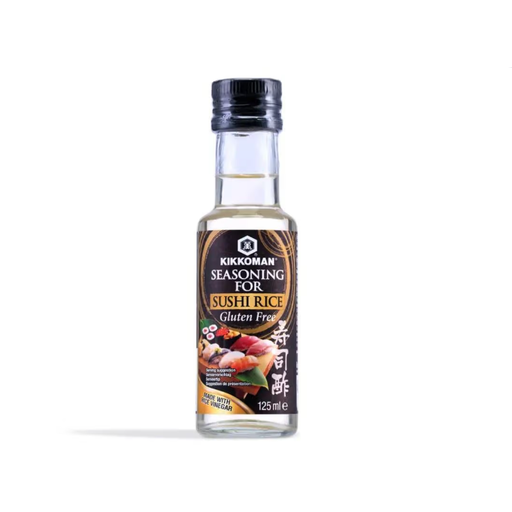
- Why It Stands Out: This product from Kikkoman takes all the guesswork out of preparing sushi rice. As a seasoned rice vinegar, it's already perfectly balanced with sugar and salt, ensuring consistent, delicious results every time you make sushi, onigiri or chirashi bowls at home.
- Pros:
- Convenient: Ready to use straight from the bottle—no mixing required.
- Authentic Flavour: Delivers the classic sweet, tangy and savoury profile of traditional sushi rice.
- Gluten-Free: Suitable for those with gluten sensitivities.
- Who is it for?: Anyone who loves making sushi at home. It's particularly useful for beginners who want to achieve authentic flavour without the trial and error of seasoning the rice themselves.
For Authentic Chinese Dishes: Qian He Glutinous Rice Black Vinegar 500ml
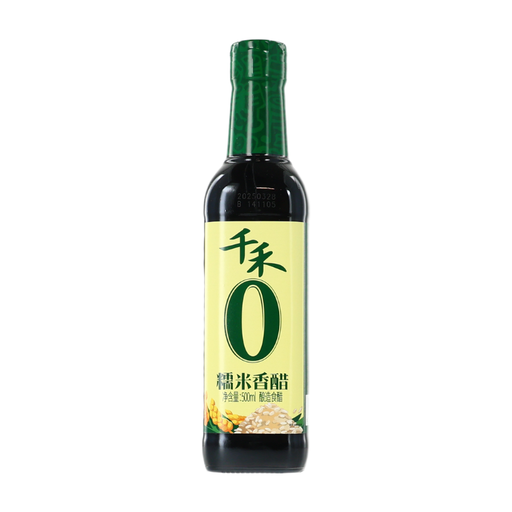
- Why It Stands Out: This Chinese black vinegar is brewed from high-quality glutinous rice using traditional methods, resulting in a remarkably rich and mellow flavour. Its complex, slightly malty profile is what gives many Sichuan and Shanxi dishes their distinctive character.
- Pros:
- Complex Flavour: Offers a deep, lingering acidity with a pleasant aftertaste that white vinegar cannot replicate.
- Versatile in Chinese Cooking: The ideal choice for making a vinegar for dipping sauce for dumplings, adding to cold noodle salads or enriching braised dishes.
- High-Quality Brewing: Made with a focus on traditional fermentation for a smoother, more nuanced taste.
- Who is it for?: Food enthusiasts and home cooks dedicated to recreating authentic Chinese regional flavours. If you're serious about your dumplings or braised ribs, this is a must-have.
Looking for More Options?
These three vinegars cover many of the core uses in Asian home cooking, but the world of vinegar is vast. If you're searching for a specific type not mentioned here or simply wish to explore further, you can find a wider selection to suit any recipe.
Browse our complete collection of Grain Vinegar to find the perfect match for your kitchen.
Frequently Asked Questions
1. Can I use white rice vinegar for sushi? Yes, you can. However, you will need to create your own seasoning by dissolving sugar and salt into the vinegar (usually by gently heating it) before mixing it with the cooked rice. Using a pre-made sushi rice vinegar is a more convenient option that guarantees a balanced flavour.
2. What is the difference between rice vinegar and rice wine vinegar? There is no difference. The terms "rice vinegar" and "rice wine vinegar" are used interchangeably to refer to vinegar that is made from fermented rice.
3. How should I store rice vinegar? All rice vinegars should be stored in a cool, dark place away from direct sunlight, such as a pantry or cupboard. After opening, ensure the cap is sealed tightly to maintain freshness. While refrigeration is not strictly necessary for most, some people prefer to refrigerate black vinegar to better preserve its complex flavour profile over time. Always check the packaging for specific storage instructions.


