Joybuy Insights

Your Guide to Choosing the Right Rice Vinegar in the UK for 2026

Navigating the world of condiments can be a challenge, especially when it comes to staples of East Asian cuisine like rice vinegar. Standing in a supermarket aisle or browsing online, you might find yourself wondering about the differences between white, black and seasoned varieties. Which one is right for a sharp pickling brine, and which will make the perfect dumpling dipping sauce?

As a Joybuy Product Recommendation Officer, my role is to help you make sense of these options. This guide is designed to cut through the clutter, explaining the key characteristics of different rice vinegars so you can confidently choose the right bottle for your culinary needs.

How to Choose the Right Rice Vinegar

Before adding a bottle to your basket, consider a few key points. Understanding the different types and what to look for on the label will ensure you get the flavour profile you need for your dishes.

1. Understand the Main Types

Not all rice vinegars are created equal. The three most common types you will encounter each have a distinct purpose in the kitchen.

  • White Rice Vinegar: This is the most common type, with a clear to pale yellow colour. It has a clean, mild and delicate acidity that is less sharp than Western grape-based vinegars. Its subtle flavour makes it incredibly versatile for a wide range of uses, including dressings, marinades and as a base for pickling vinegar.
  • Black Rice Vinegar: Made from black glutinous rice (and sometimes other grains like wheat and sorghum), this vinegar is aged for a dark colour and a complex, malty and slightly sweet flavour. Chinese black rice vinegar is robust and aromatic, making it an excellent choice for a dumpling dipping sauce or for adding depth to braised dishes and soups.
  • Seasoned Rice Vinegar: This is essentially white rice vinegar with added sugar and salt. It offers a convenient, pre-balanced sweet and tangy flavour profile. It's most famously used for seasoning sushi rice but is also a fantastic shortcut for creating quick salad dressings and marinades.

2. Check the Ingredient List

The label provides important clues about the vinegar's character. For a standard white rice vinegar, a simple list of ingredients like water, rice and perhaps salt, indicates a pure and straightforward product. For seasoned or black vinegars, look at the additional ingredients, such as sugar, spices or caramel colour, to get an idea of the intended flavour.

3. Consider the Brand's Heritage

Many established brands have been producing condiments for generations, leading to a consistent and reliable flavour. Brands like Lee Kum Kee are well-known for their extensive range of authentic Chinese sauces and condiments, offering a dependable choice for those looking to replicate traditional flavours at home.

Our Top Recommendations for Rice Vinegar in 2026

Based on their distinct uses and quality ingredients, here are our recommendations to help you find a suitable rice vinegar for your kitchen.
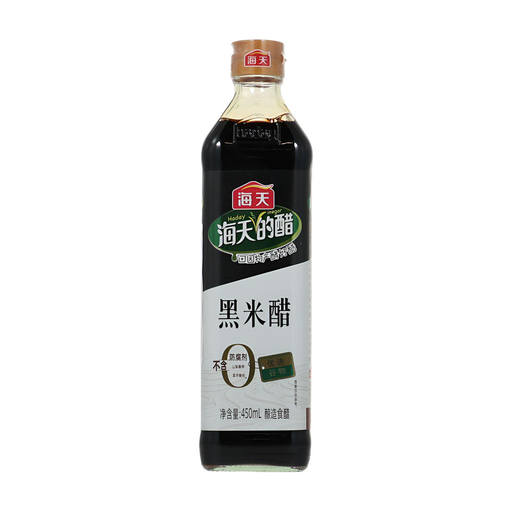
HADAY Black Rice Vinegar 450ml

HADAY Black Rice Vinegar 450ml

  • Why It Stands Out: This vinegar from HADAY, a brand with a long history in Chinese condiment production, delivers the deep, aromatic and malty flavour characteristic of a traditional Chinese black rice vinegar. Its complex profile adds a layer of authenticity to any dish.
  • Pros: Rich, slightly sweet and umami flavour. Perfect as a standalone dipping sauce. Adds significant depth to braises, soups and noodle dishes.
  • Who is it for: Home cooks aiming to create authentic Chinese meals, particularly those who need a flavourful and robust dipping sauce for dumplings, wontons or spring rolls.

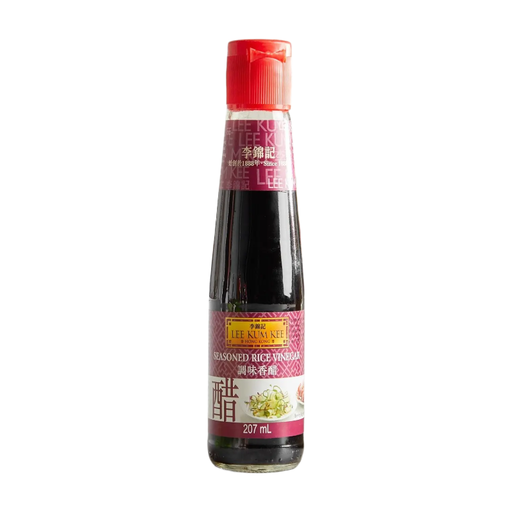
Lee Kum Kee Seasoned Rice Vinegar 207ml

Lee Kum Kee Seasoned Rice Vinegar 207ml

  • Why It Stands Out: This seasoned rice vinegar from the well-regarded brand Lee Kum Kee is a convenient, all-in-one solution. It has a carefully balanced sweet and sour flavour, saving you the step of adding sugar and salt yourself.
  • Pros: Ready to use straight from the bottle. Consistent and reliable flavour for dressings and dips. The 207ml bottle is a great size for smaller households or for trying seasoned vinegar for the first time.
  • Who is it for: Anyone looking for a quick and easy flavour enhancer. It's ideal for making a simple dumpling dipping sauce, dressing cold noodle salads or seasoning vegetables without any extra fuss.

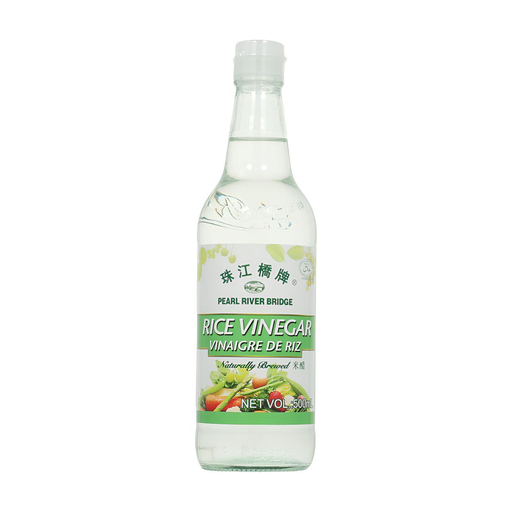
Pearl River Bridge Rice Vinegar 500ml

Pearl River Bridge Rice Vinegar 500ml

  • Why It Stands Out: This vinegar is all about simplicity and versatility. Made with just water, rice and salt, it provides a clean, crisp acidity that complements other ingredients rather than overpowering them. It’s a true kitchen workhorse.
  • Pros: Pure, unadulterated flavour gives you full control over your seasoning. The large 500ml bottle offers excellent value for regular use. Its mildness makes it a superb choice for a pickling vinegar.
  • Who is it for: Cooks who prefer to build their own flavour profiles from scratch. It's the perfect foundational ingredient for those who enjoy making their own dressings, marinades and pickles.

Looking for More Options?

Our recommendations cover some of the most popular and versatile types of rice vinegar, but the world of Asian condiments is vast. If you're searching for a different variety, a specific brand or simply want to browse more choices, there are many other options available.

Explore our full collection of rice vinegar to find the perfect match for your pantry.

Frequently Asked Questions About Rice Vinegar

Can I use white wine vinegar instead of rice vinegar?

While you can substitute them in a pinch, it's important to note the difference. Rice vinegar is typically milder and has a hint of sweetness, whereas white wine vinegar is sharper and more acidic. If you do substitute, you may want to add a small amount of sugar to balance the flavour, but be aware that it will alter the authentic taste of the dish.

What is the difference between rice vinegar and seasoned rice vinegar?

Standard rice vinegar is made purely from fermented rice, resulting in a simple, acidic liquid. Seasoned rice vinegar, on the other hand, has added ingredients, primarily sugar and salt. This makes it a convenient, pre-mixed seasoning that is ready to use for applications like sushi rice or as a simple dressing.

How should I store rice vinegar?

Rice vinegar is quite stable. It should be stored in a cool, dark place like a cupboard or pantry, away from direct sunlight and heat sources. While it does not require refrigeration after opening, ensuring the cap is tightly sealed will help preserve its flavour and quality for longer.