Students stocking a new cupboard
A plain, non-portioned pack may suit snacks eaten at home, particularly if you plan to add your own toppings and have somewhere to keep the opened pack dry.


For a student cupboard, a plain pack suits rice cakes you expect to eat at home with toppings; a multipack suits days when separately wrapped portions matter. Before buying several packs, compare their total weight, consider how you will store an opened pack and choose a flavour you will use.
A plain, non-portioned pack may suit snacks eaten at home, particularly if you plan to add your own toppings and have somewhere to keep the opened pack dry.
Individually wrapped portions are easier to put in a bag than cakes from an opened cupboard pack. Check the number and weight of the inner packs.
Choose by the ingredients, allergen statement and dietary claims on the exact pack, rather than assuming that all rice cakes have the same recipe.
Decide where you will eat the rice cakes, then check the pack weight, flavour, storage directions and label before buying several.
| Priority | What to check | Your needs |
|---|---|---|
| Value from each pack | Compare net weights and inner-pack sizes, not just the number of packs. A 5 × 19g multipack contains 95g; the listed Sainsbury's plain pack contains 135g. | I want to know how much I am buying before stocking the cupboard. In a 2025 survey of 500 UK students aged 16–24 reported by British Baker, 23% named value as their most important food-shopping factor in an on-campus context; that result is not specific to rice cakes. |
| Flavour | Choose between plain cakes you can top and a ready-flavoured pack. Try one pack before committing to several of an unfamiliar flavour. | Will I still want this flavour after the first pack? In the same 2025 survey of 500 UK students aged 16–24 reported by British Baker, 34% named taste as their most important food-shopping factor in an on-campus context, not specifically when buying rice cakes. |
| Portability and storage | Check whether portions are individually wrapped. For a larger pack, read the directions for storage after opening; M&S instructs buyers of its Lightly Salted Rice Cakes to use an airtight container. | If snacks need to travel to campus, separate portions may be more practical. For cakes kept in my room or kitchen, I need suitable cupboard and container space. |
| Ingredients and allergens | Read the current ingredients, precautionary allergen wording and any dietary claim on the exact product. Tesco lists a may-contain warning for milk, wheat, soya, mustard and other cereals containing gluten on its Snack a Jacks Salt & Vinegar 5 × 19g pack. | If an ingredient or dietary label matters to me, I need to check this particular pack rather than rely on the fact that the snack is rice-based. |
Several inner bags can look like a larger stock-up, but the checked Snack a Jacks 5 × 19g pack contains 95g in total, while Sainsbury's listed plain rice cakes in a 135g pack.
Compare the net weights and choose the format you will use: sealed portions for carrying, or an opened pack for eating at home.
A ready-flavoured pack gives you fewer ways to change the snack if the flavour does not appeal to you.
Try one pack first. If you prefer plain cakes with toppings, plan where those toppings will be stored.
The checked Snack a Jacks Salt & Vinegar multipack carries a precautionary allergen statement, while M&S labels its Lightly Salted Rice Cakes vegan, vegetarian and gluten free. Those details apply to the respective products, not the whole category.
Check the ingredients, allergen statement and dietary claims on the pack you are buying, especially before purchasing several.
Its checked Salt & Vinegar rice-cake multipack is a ready-to-eat, individually portioned option.
Sainsbury's lists Kallo Organic Lightly Salted Rice Cakes as a 130g pack for a plain-cake cupboard option.
Its listed own-label options include plain 135g rice cakes and 130g Salt & Vinegar rice and corn cakes.
Tesco lists rice-cake formats including flavoured multipacks.
Asda lists the Snack a Jacks Salt & Vinegar 5 × 19g multipack, a reference point for individually portioned snacks.
Its Lightly Salted Rice Cakes are made with wholegrain brown rice and salt, according to M&S.
These options are packs of rice cakes or rice crackers for keeping in a student cupboard. Check each format and flavour against how you plan to use it; the selection does not represent individually wrapped multipacks.
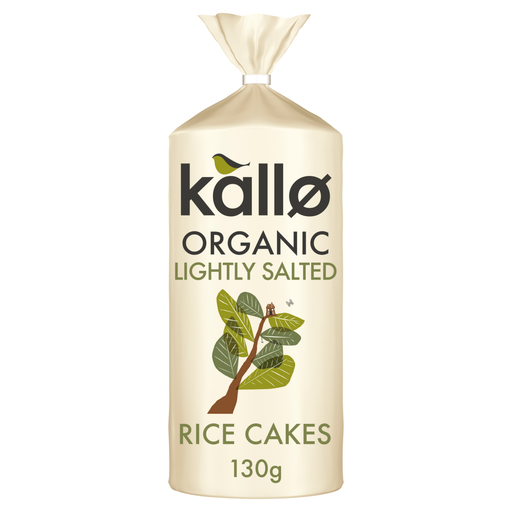 No image available
A lightly salted 130g pack for rice cakes eaten at home, including with toppings. It is not portion-wrapped; check the storage directions after opening.
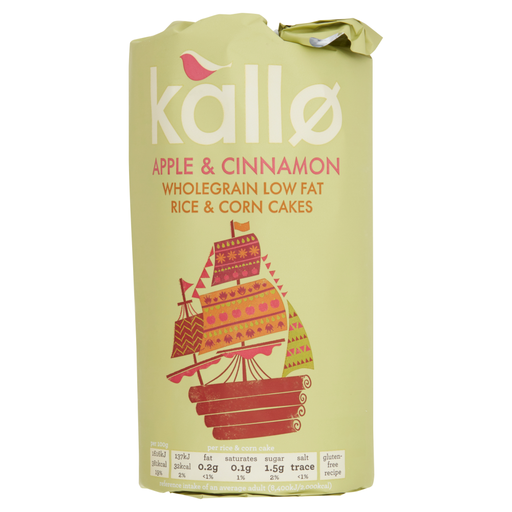 No image available
A 127g apple-and-cinnamon variety for someone who wants a flavoured cupboard pack. The cakes are not individually portioned, so check how to store the pack once opened.
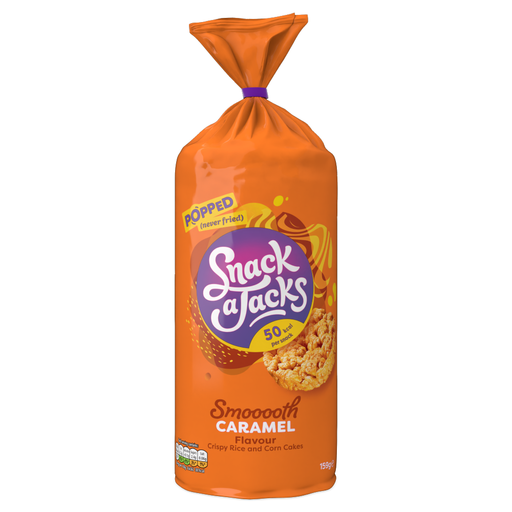 No image available
A 159g caramel-flavoured cupboard pack rather than separate portions for carrying. Check that the flavour suits you before buying several packs.
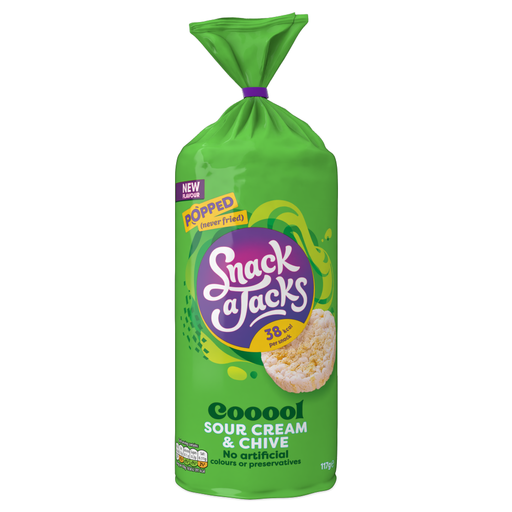 No image available
A 117g savoury-flavoured sharing pack for keeping in a cupboard, not an individually portioned multipack. Read its current ingredients and allergen statement if milk is a concern.
 No image available
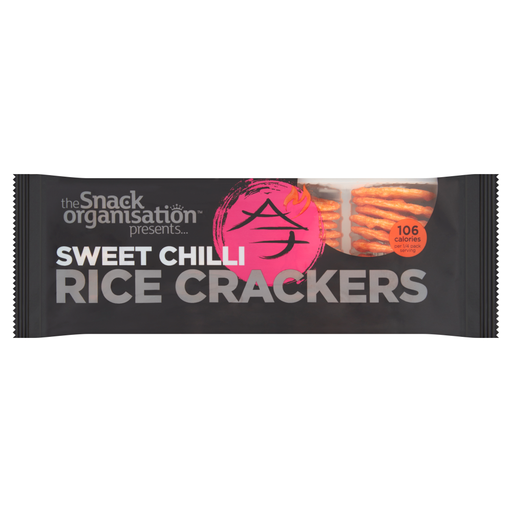
A 100g sweet-chilli rice-cracker pack for someone considering a flavoured alternative to rice cakes. It is a cracker rather than a plain rice cake; check the ingredients and allergen label before buying.
No. The checked Snack a Jacks 5 × 19g multipack contains 95g in total, while Sainsbury's listed its plain rice cakes in a 135g pack. Compare the total weights, then decide whether separate portions or a pack for the cupboard fits how you will eat them.
Follow the directions on that pack. M&S says to keep its Lightly Salted Rice Cakes in a cool, dry place and use an airtight container once opened. GOV.UK explains that a best-before date concerns quality rather than safety; storage instructions still matter.
No. Check the exact product's ingredients, dietary claims and allergen statement. The checked Snack a Jacks Salt & Vinegar multipack has may-contain wording for milk, wheat, soya, mustard and other cereals containing gluten, so its rice content alone does not establish dietary suitability.