Older tea drinkers choosing a plain biscuit
Rich tea and plain digestives offer different recipes and individual serving sizes. Let the person’s preference guide the choice rather than assuming that age determines which biscuit they will want.


Choose rich tea if the person prefers a plain, crisp biscuit; a rich tea finger is also an option when a smaller individual biscuit is wanted. Choose a plain digestive if they prefer its wheatmeal-style recipe and the serving size suits them. Compare the actual packs rather than treating either name as a nutrition claim, and do not assume an ordinary biscuit is suitable for someone who has difficulty chewing or swallowing.
Rich tea and plain digestives offer different recipes and individual serving sizes. Let the person’s preference guide the choice rather than assuming that age determines which biscuit they will want.
If the person has particular ingredient, portion or swallowing requirements, check those separately before offering a biscuit. Neither variety’s name establishes that it meets an individual dietary or texture requirement.
Consider it: When the person wants a plain, crisp biscuit; rich tea fingers offer a smaller individual serving than some round biscuits.
Keep in mind: A smaller biscuit is not a like-for-like nutrition advantage, and a crisp texture may be unsuitable if chewing or swallowing is difficult.
Consider it: When the person prefers a wheatmeal-style biscuit and its individual serving size suits them.
Keep in mind: Wholemeal wheatflour does not make an ordinary digestive gluten-free or establish a digestive-health benefit.
| Priority | What to check | Your needs |
|---|---|---|
| Biscuit preference | Compare plain rich tea, rich tea fingers and plain digestives by their stated ingredients and individual biscuit size. Check the particular pack rather than assuming all versions are alike. | I’m choosing a biscuit the person wants with tea, in a serving size that works for them. |
| Portion and label | Use per-100 g figures for a like-for-like comparison of sugars, saturates and salt; use per-biscuit carbohydrate and the stated biscuit weight for the portion served. The NHS explains that labels give nutrition per 100 g and sometimes per portion. | If I’m planning a particular snack portion, I need the figures for the actual biscuit and number served, not just the variety’s name. |
| Chewing and swallowing | Check the person’s individual advice about suitable foods and textures if chewing or swallowing is difficult. Do not use dunking as a suitability test; University Hospitals Sussex NHS Foundation Trust advises that swallowing ability varies between people. | Before offering a crisp or crumbly biscuit, I want to know whether that texture is appropriate for the person. |
| Ingredients and allergens | Read the chosen pack’s ingredients and precautionary-allergen information. The ordinary rich tea and digestive examples described by Tesco, Asda and Ocado include wheat or barley ingredients; check an alternative’s own label if either is a concern. | Where an allergy or coeliac requirement applies, I need to check the exact pack rather than rely on the words “rich tea” or “digestive”. |
Waitrose lists 23 kcal for one Rich Tea Finger, while Ocado lists 78 kcal for one 16 g M&S Digestive. Those are different-sized servings, so the per-biscuit figures do not make a like-for-like comparison.
Compare per 100 g to assess the recipes, then use each pack’s per-biscuit figures to work out the serving you intend to offer.
The checked M&S Digestive contains wholemeal wheatflour, but its name and that ingredient do not establish a digestive-health benefit or make it suitable for someone avoiding gluten.
Choose by preference and the actual ingredients and nutrition label, not an assumed effect of the biscuit’s name.
Softening a biscuit does not establish that it meets someone’s individual swallowing needs.
If swallowing is difficult, follow the person’s advice on suitable foods and textures. University Hospitals Sussex NHS Foundation Trust notes that swallowing ability varies between people.
These examples show why the exact recipe, biscuit size and pack label matter more than the brand name alone.
Named-brand rich tea and original digestive biscuits for someone seeking those particular recipes.
Own-label rich tea biscuits alongside a separately listed digestive line.
An own-label rich tea option in a 200 g pack.
Own-label round rich tea biscuits with per-biscuit information.
Separate rich tea and plain digestive recipes listed by Ocado.
Rich tea fingers and Essential plain digestives with different individual serving sizes.
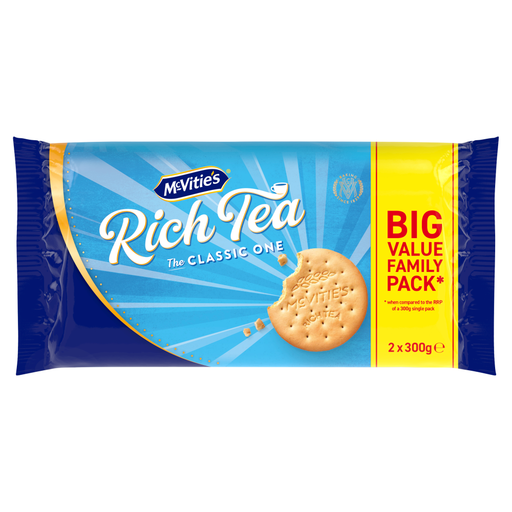
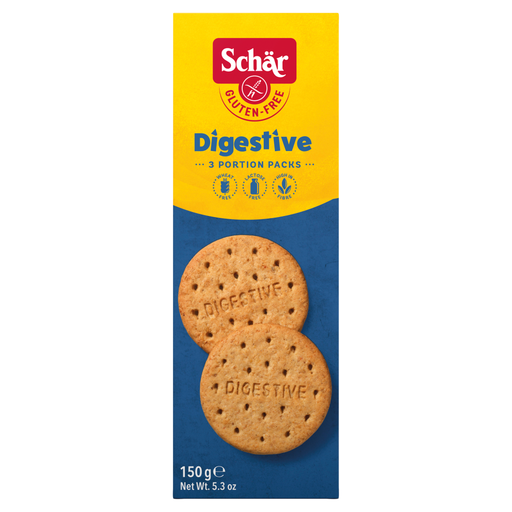
These Joybuy options include a rich tea twin pack and two digestive variants. Use their individual labels to decide whether a recipe and serving size meet the person’s needs.
 No image available
A rich tea option for someone who prefers that type of plain biscuit. The twin pack contains 2x300g; check the pack’s biscuit weight and nutrition figures when planning an individual serving.
 No image available
A gluten-free-labelled digestive variant in a 150 g pack. If a gluten-free diet or another ingredient restriction applies, check the delivered pack’s full ingredients and allergen statements before serving.
 No image available
A digestive variant labelled sugar-free, in a 400 g pack. The label wording does not establish its carbohydrate content per serving; check the nutrition panel, ingredients and any consumption warnings on the pack.
No benefit follows from the biscuit’s name alone. Choose a plain digestive for its recipe and the person’s preference, not as a treatment or a promise about digestion.
Do not assume so. University Hospitals Sussex NHS Foundation Trust says swallowing ability varies between people; follow individual advice on suitable foods and textures rather than relying on how the biscuit is served.
Check the carbohydrate in the portion actually eaten, including the number and size of biscuits, rather than relying only on the sugars figure or product name. University Hospitals Sussex NHS Foundation Trust uses snack carbohydrate information to help with portion decisions and advises people taking insulin to discuss snacks with their diabetes team.
Do not assume they are. The ordinary examples listed by Tesco and Ocado contain wheat, and some rich tea recipes also include barley. Check an appropriately labelled alternative’s actual pack; Coeliac UK explains how cereals containing gluten are identified in ingredients lists.
Check the delivered pack’s ingredients, allergen statements, nutrition and best-before date before serving it. Product details can change; if the item itself is incorrect, contact the seller, and ask the manufacturer about product-specific ingredient questions.